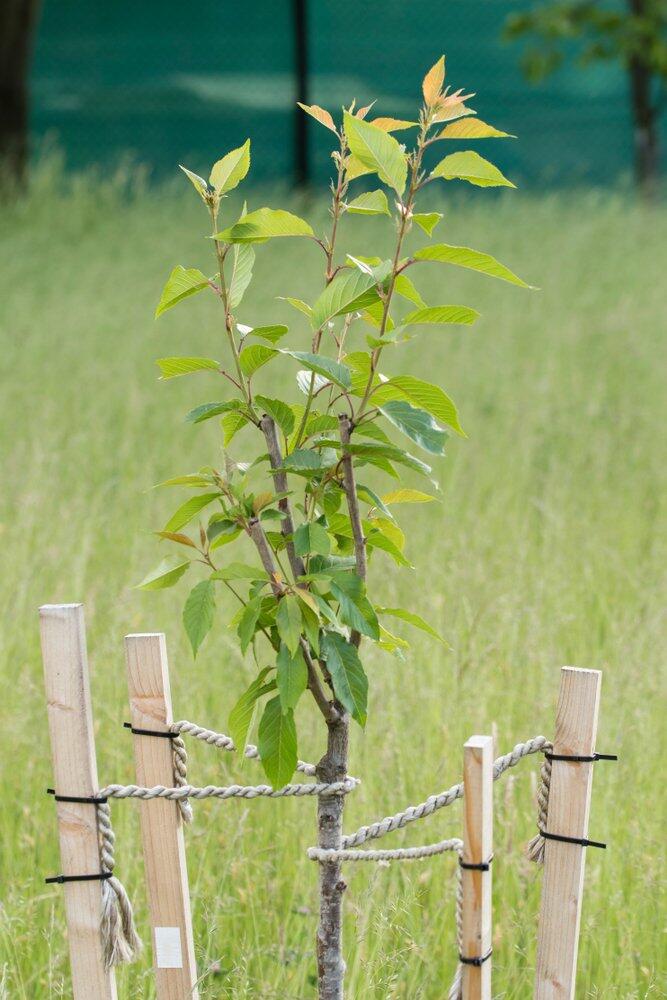
Hickory Tree Details
Hickory Tree - Carya Spp
The hickory nut tree is one of the most unique and strongest trees in a world filled with many trees and all of them unique and individualistic in their own way․ The tree is found mainly in the eastern United States and can be found in many different forests and yards․ Not only are they one of the most impressive of trees‚ but they are of great value to mankind as food and for use in manual craft․ One pause as one sees this tree is enough to realize that this magnificent species is more than a tree‚ it is quite simply a testament to nature's splendor and human ingenuity․
Hickory nut trees look most beautiful when mature and can grow up to 100 ft in height
They stand tall and slim‚ and are characterized by having deeply furrowed and ridged gray or brown bark that serves to protect the tree from wind and rain․ The leaves of the tree are compound leaves or multiple leaflets which when filled in give a full look to the tree․ The leaflets are lanceolate‚ pointed and present a green color in spring and summer․ The fall color of the tree is a full-blown golden yellow‚ orange or even deep red making the tree a beautiful canvas․ Hickory nuts (within an unusually hard shuck) are an important food for many animals․ This tough tree‚ with its thick trunk and broad crown‚ adds greatly to the landscape․ Its trunk is sturdy and therefore functional‚ but also requires respect for its considerable diameter․ Often the trunk's surface is beautifully patterned․
Beyond aesthetic qualities‚ hickory is used in many ways for practical and decorative purposes
Native Americans used hickory nut tree wood to make tools and weapons‚ as the wood is strong with excellent flexibility․ Hickory has been used for a variety of purposes‚ for wood and for food‚ across North America․ Hickory nuts‚ as one example‚ have been enjoyed for centuries for their rich flavor and high nutritive value‚ and were used in customary recipes or eaten raw as a food in times of scavenging․ Next to their value as food‚ the values of hickory and its products to humans are chiefly in its use to produce furniture‚ smoke meats and produce charcoal․ Each of these uses is a case of a human social activity being enabled by a relevant physical characteristic of the hickory tree․
The hickory nut tree changes with the seasons‚ for in spring it has to wake its slumbering limbs by budding forth into life‚ with blossoms and light green leaves which pollinate in the warm sunshine․ It is the season of new birth‚ of awakening‚ when with my foot I crack the outside of a hickory nut․ In summer the rich potential of the tree is realized in a thickened canopy that provides cool shade for numerous forms of life that nestle beneath the foliage․ It also provides a brilliant display in the fall when the leaves turn colors and fall to the ground‚ not only to signal the end of the season but also to welcome the next season as they aid in nourishing the earth․ In winter‚ the tree stands out against the snow and frost as its limbs point to the clear blue sky representing peace and solitude․
Hickory Tree Nuts Feed Squirrels and Deer
In the wild‚ it is an important habitat for various animals․ It acts as a shelter and food for squirrels‚ birds‚ and insects․ Hickory nuts are also an important food source for some vertebrates and invertebrates․ Squirrels and other small mammals eat the nuts‚ while birds eat the hickory's seeds and insects that live on its leaves․ Hickories also serve an important function in carbon storage‚ as carbon sinks‚ when their wood and other plant parts store away carbon and pulify the air as they grow‚ absorbing carbon dioxide out of the air․ Hickories make the planet a greener and more comfortable place to live․ Its long roots help hold soil in place‚ making it an important part of the ecosystem for other organisms․ The hickory tree is an important keystone species in the ecosystem it inhabits․
In conclusion‚ the hickory tree is a spectacular representation of nature's grandeur and power
Its features‚ importance‚ seasonal transformations‚ and ecological effects are all inspiring and reason enough to appreciate this magnificent tree․ Let us never forget that as we appreciate the verdant beauty of the hickory tree and the vital parts it plays in our ecosystem‚ we are not just gazing upon a tree but a testament to resilience and the will of nature to persevere and thrive․ The hickory tree is held in high regard and nurtured‚ for it represents an appreciation for nature's artistry‚ showing that complexity often hides behind the simplest forms․