Painted Trillium Plant Details
Painted Trillium - Trillium Undulatum
Hidden deep within the North American forests‚ the painted trillium, scientific name Trillium undulatum symbolizes nature's secret artistry․ The trillium is representative of the beauty of the wood floor and can even live through harsh winter weather․ The blossoms on the painted trillium look as if they are a picture come to life when spring arrives․ Though growing in the shadow of its more showy grower companions‚ the painted trillium is more than willing to steal the hearts of those who look closely into the woods․ It appears as a harbinger of changing seasons‚ as a reminder of the interconnected web of life within these diverse ecosystems․
Pollinator value to this shade thriving plant
Ecologically‚ the painted trillium has a number of functions‚ but its most important may be as a cue that lures pollinators and as an important contributor to the health of its forest environment․ Like all other trilliums‚ this flower is a perennial that blooms from a rhizome․ It grows in well-drained but moist areas with a lot of leaf litter․ Bees‚ butterflies and other insects that pollinate trillium flowers also provide additional genetic diversity by cross-pollinating the flowers․ The plant is an important part of the forest ecosystem‚ providing future generations of animals with food through its leaves and being a biological indicator that the forest is in good condition․ The plant's range helps to indicate that the forest as a whole is relatively undisturbed and is part of a generally diverse ecosystem․
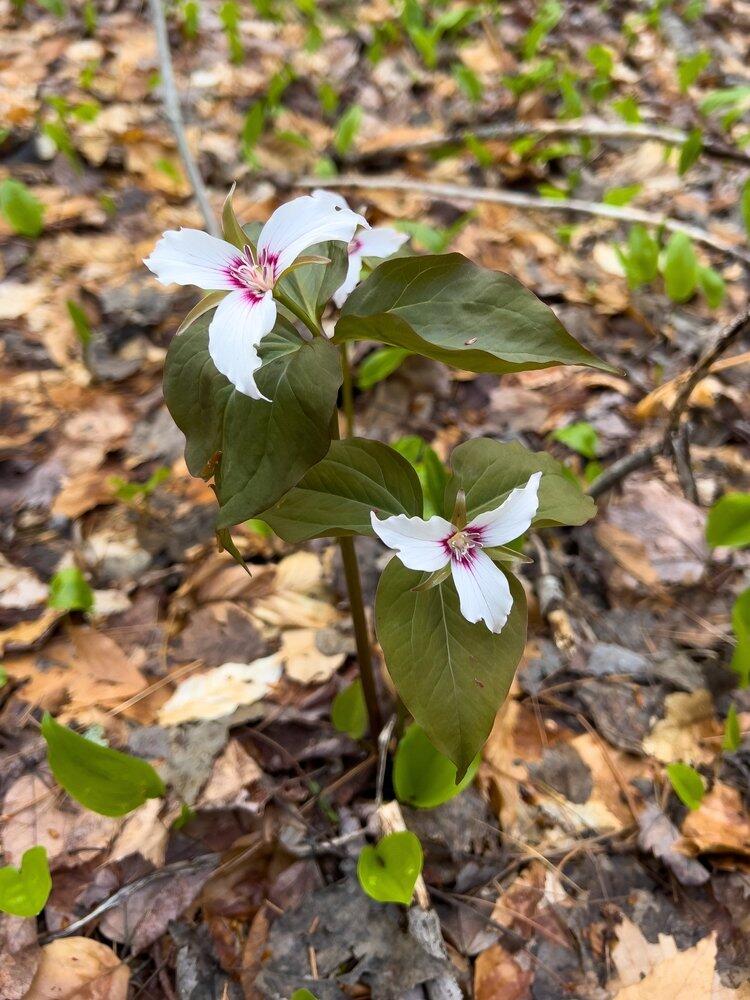
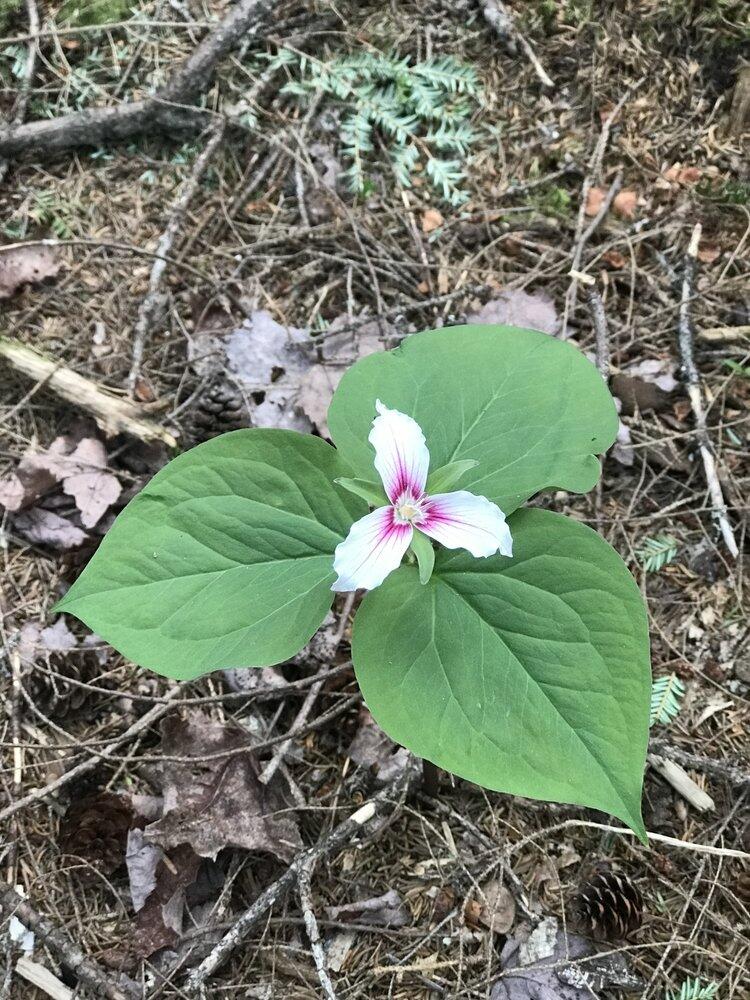
However‚ the plant also has ornamental value․ The flowers' three broad ovate petals are dotted with delicate maroon or purple streaks‚ standing out in contrast to the white or pale green of the petals․ The three petals are typically somewhat undulate․ There are three large leaf-like structures that surround the base of the flower that tend to give the flower a look as if it is rising out of the ground․ The repetition in form and color is intended to draw the user to the beauty and details of the natural experience․ This painted trillium representation is simple‚ yet very complex‚ and is designed for the appreciation of the beauty and details of the natural phenomena within its structural form․
Folklore of the painted trillium plant
In addition to its importance as a food and medicinal plant‚ the flower has been depicted in the art‚ folklore and customary medicine of many Indigenous peoples in North America․ For many tribes‚ the painted trillium represented regeneration and hope as it bore its flowers after the harsh winter․ The painted trillium flower is used in painting to express the bond humans share with nature and the cycle of birth and death․ The species has also been used in folk medicine‚ and many parts of the plant have been used for a wide variety of medicinal properties․ The painted trillium symbolizes horticulture‚ art‚ and culture as it is an important symbol of the natural world‚ making it transcend the borders of customary biology and science․
The painted trillium's blooms appears in March‚ or when the seasons change
Painted trillium is one of the first flowers to bloom in early spring‚ providing a splash of color to the skyline as the snow melts and winter fades away․ Blooming usually from March until May‚ depending on season and location‚ for a brief time the forest floor is a carpet of trillium flowers‚ adding a riot of color to the emerging green leaves of the surrounding trees․ This‚ too‚ is a short-lived moment; the individual petals fall after two weeks and return to the earth․ The message of whetting one 's curiosity and joy in witnessing this cycle is that every moment should be embraced in its entirety‚ reflecting in its beauty the transience of life․
In summary‚ the trillium‚ with its distinctive beauty and ecological role‚ serves as an example of nature's artistry and resilience while also reinforcing cultural and historical connections through its representation in art and customary knowledge․ This flower is meant to be admired for its elegant and beautiful petals․ The beauty and diversity of nature signal us to explore it more deeply and to learn more about where we fit in․ This is especially true when wandering around woodlands and encountering the painted trillium․ They are not just lovely flowers; they are a touching reminder that every living thing is a part of a complex web of interdependencies and life upon this earth is precious․