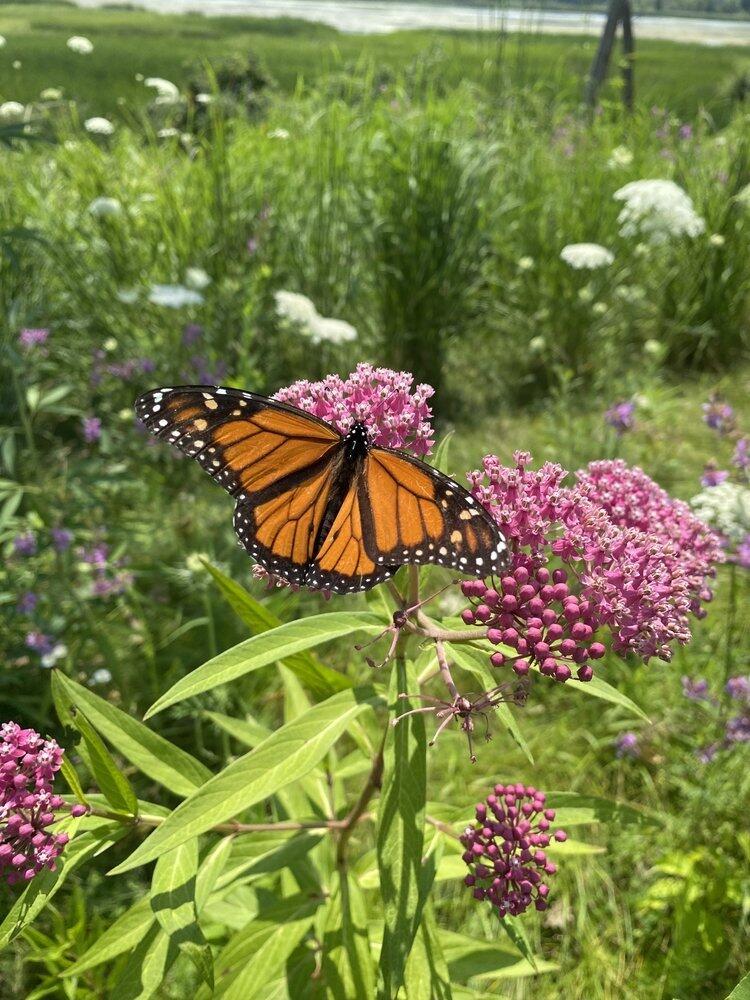
Vibrant pink milkweed flowers with star-shaped blooms and dark centers

Milkweed Plant

Standard (Asclepias Incarnata) / Buy 1 Get 1 Free
$8.99
Sale price  $8.99 Regular price 
Skip to product information
Vibrant pink milkweed flowers with star-shaped blooms and dark centers

Milkweed Plant

Attracts beautiful monarch butterflies, Provides vital habitat for wildlife, Beneficial for ecosystem balance
$8.99
Sale price  $8.99 Regular price 

Fast Shipping Nationwide

Truck on checkered background
Quanitity Buy 1 Get 1 Free

Ship Date: Ships in May 2026

Add 1 plant to your cart, and we'll send you a 2nd one FREE!

Share our plants on social media!

Tennessee Wholesale Nursery

In Stock

Tennessee Wholesale Nursery

Your planting zone -

Tennessee Wholesale Nursery

This plant thrives in zones: 3-10

Tennessee Wholesale Nursery

Delivery to your location

Milkweed Plant – The Essential Host Plant for Monarch Butterflies

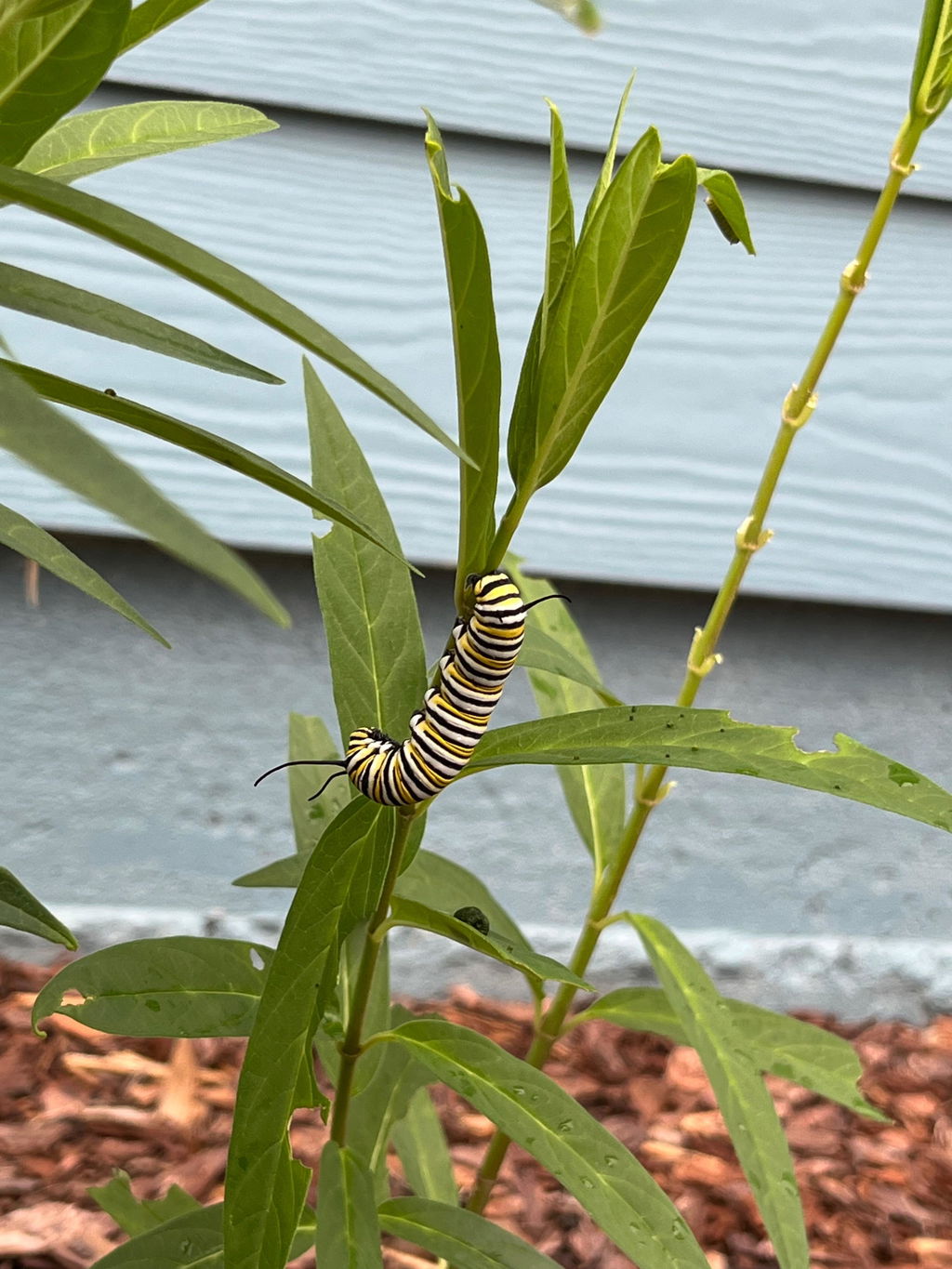
The milkweed plant is one of the most important native plants you can grow in your garden. This is the only host plant for monarch butterflies; milkweed provides the food monarch caterpillars need to survive. If you want to attract butterflies and support pollinators, adding milkweed to your landscape is a simple and powerful step.

Why Plant Milkweed?

Milkweed plants produce clusters of fragrant flowers that bloom in summer. These blooms attract butterflies, bees, and other pollinators. Monarch butterflies lay their eggs only on this plant’s leaves. Once the eggs hatch, caterpillars feed on the plant. Without milkweed, monarch populations cannot thrive. Planting native milkweed helps restore natural habitats and supports local ecosystems.

Vibrant pink milkweed flowers with green leaves in garden bed

How to Grow a Healthy Milkweed Plant

This plant is easy to grow and low-maintenance once established. They love being planted in full sun and well-drained soil, but can adapt to many garden settings. Once established, they never need water. After that, most milkweed varieties become drought-tolerant. Avoid using pesticides near your milkweed plant, as chemicals can harm monarch caterpillars and beneficial insects.

Best Uses in Your Garden

Plant milkweed in pollinator gardens, meadow plantings, borders, or naturalized areas. It pairs well with native perennials and flowering plants. Besides helping monarch butterflies, milkweed adds height, texture, and long-lasting color to your yard.

Add this plant to your garden today and create a safe haven for monarch butterflies while boosting biodiversity in your landscape.

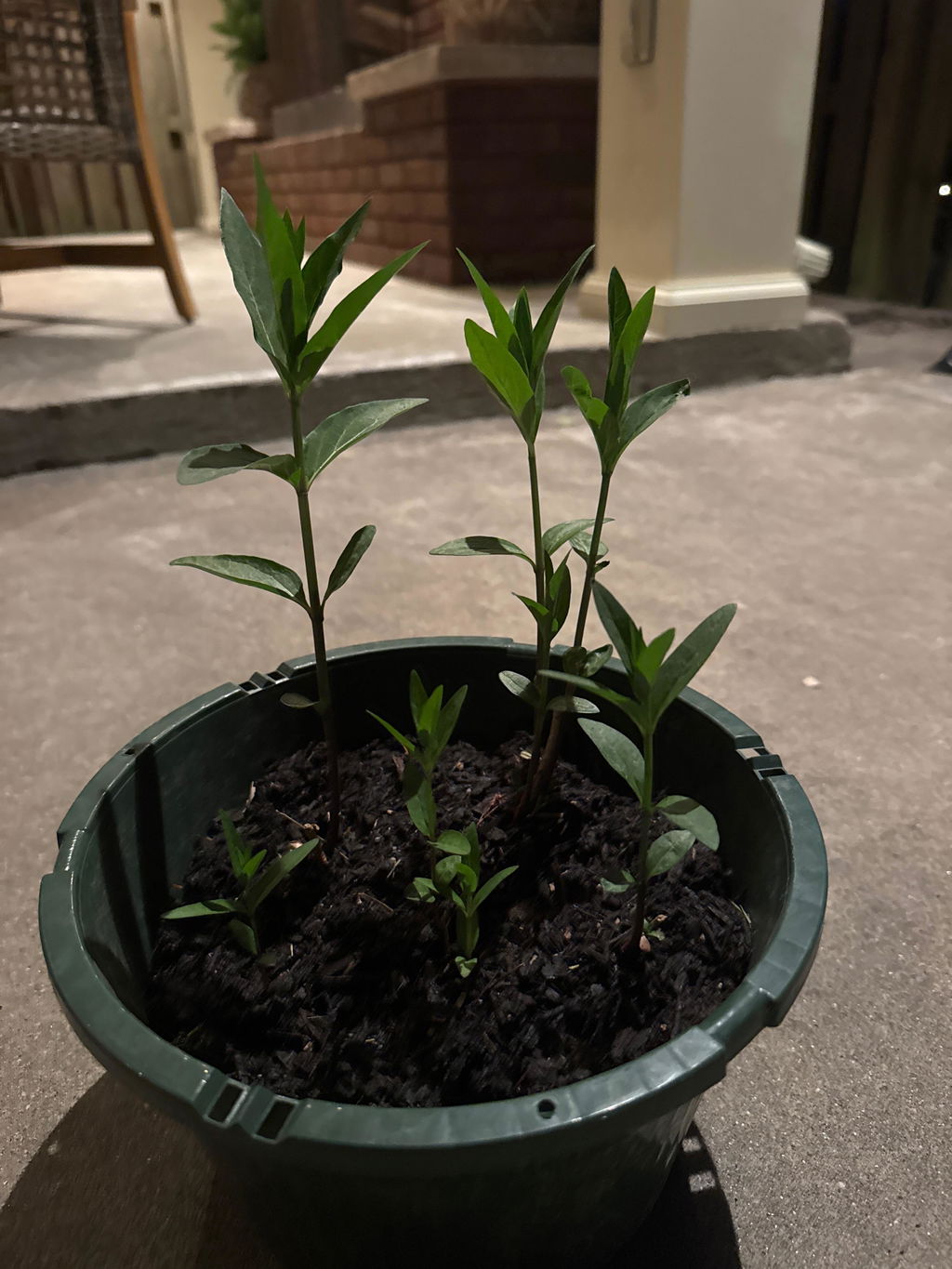
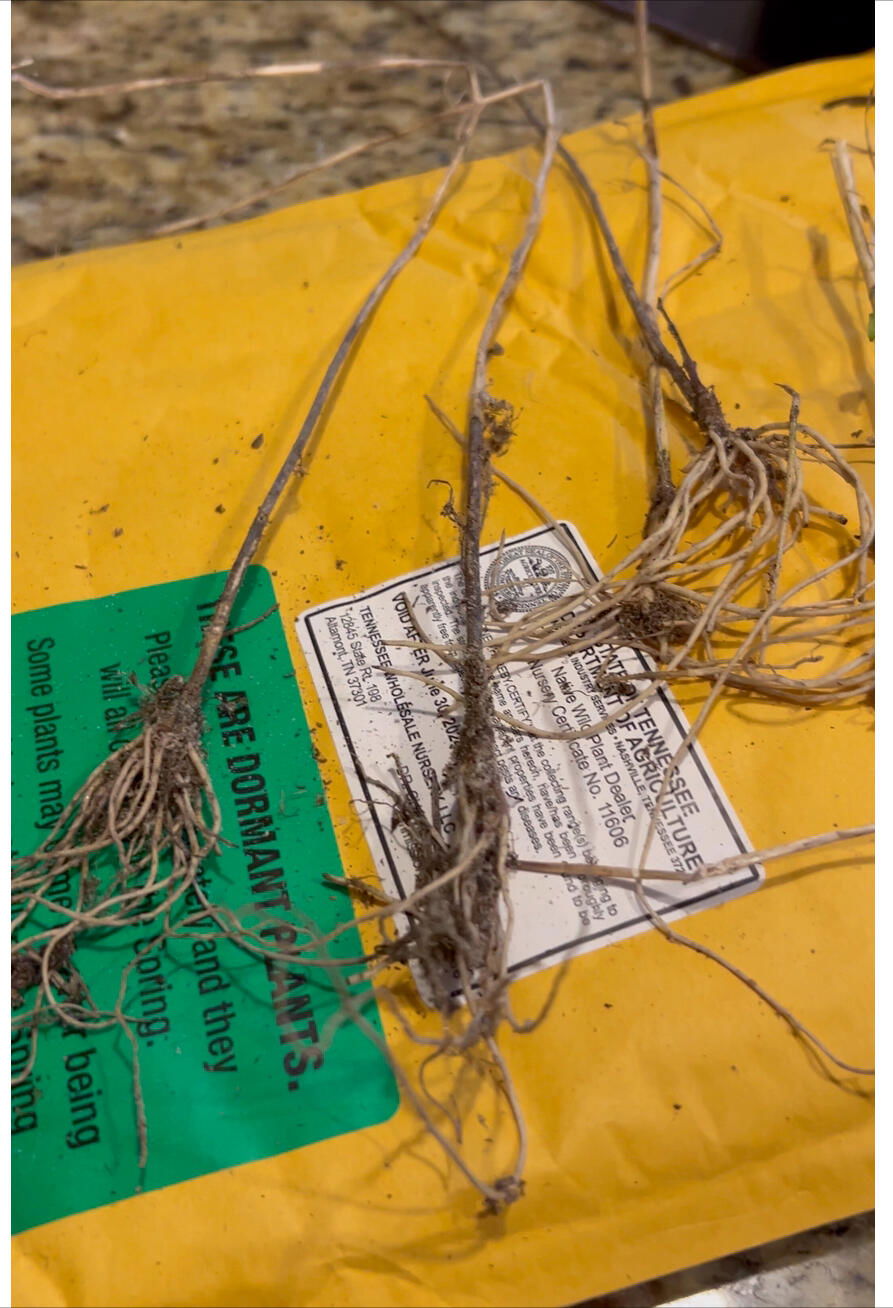
This is a milkweed plant we ship

Dried milkweed plant with tangled brown fibrous roots and stems

Does milkweed come back every year?


Yes, milkweed comes back every year as a hardy perennial. It regrows from its roots each spring, producing fresh stems and leaves. Once established, it reliably returns and provides vital habitat for monarch butterflies and other pollinators.

Where is the best place to plant milkweed?

The best place to plant milkweed is in full sun with well-drained soil. It thrives in open areas like meadows, gardens, and along fences where it gets plenty of light. With the right spot, it grows strong and attracts butterflies all season long.

Should I cut down milkweed in the fall?

Yes, you can cut down milkweed in the fall after the stems have dried and seeds have dispersed. Trimming it helps tidy the garden and encourages healthy regrowth in spring. The plant will return strong and ready to support butterflies next season.

Need Help?

Phone: 931-692-7325

Call Now

Exposure

Milkweed plants thrive in full sun, requiring at least 6-8 hours of direct sunlight daily. They prefer bright, sunny locations with well-draining soil, promoting robust growth and attracting pollinators such as monarch butterflies.

Height at Maturity

Over 12"

Usage

Pollinator Plant

Shipped As

Bare-root

Ships

USPS

Planting Zones

3-10

How To Grow

How to Grow and Care for Bare Root Perennials, Tubers, and Bulbs

Bare root perennials, tubers, and bulbs are an easy and economical way to jumpstart your garden with lasting beauty. These dormant plants should be planted in early spring or fall while the soil is cool and workable. Before planting, soak bare roots in water for 1–2 hours to rehydrate them. Choose a location based on the plant’s light needs—most flowering types prefer full sun, while others thrive in partial shade.

For bare root perennials, dig a shallow hole and spread the roots out naturally, ensuring the crown is level with the soil surface. For tubers and bulbs, plant with the pointed side facing up at a depth about two to three times their height. Cover with soil, gently press down, and water thoroughly.

Keep soil consistently moist (not soggy) until new growth appears. Add mulch to retain moisture and suppress weeds, but avoid covering the crown or bulb tops. Once established, these plants require little maintenance—just seasonal watering, occasional dividing, and deadheading or pruning as needed. With proper care, they’ll return and thrive year after year.

Care Tips
Milkweed plants thrive in well-drained soil and prefer a moderate amount of water. They’re drought-tolerant once established. Prune dead stems in late winter to early spring. They attract pollinators and provide habitat for monarch caterpillars. Avoid over-fertilizing.
Light Requirements
Milkweed plants thrive in full sun, requiring at least 6-8 hours of direct sunlight daily. They prefer bright, sunny locations with well-draining soil, promoting robust growth and attracting pollinators such as monarch butterflies.
A sun-dappled dirt path winds through a lush, green forest with ferns and wild plants lining its sides.

Grower-Direct Plants Shipped Fast - Satisfaction Guaranteed