Debbie Baker
The trees were packed so nicely and in excellent condition when they arrived. We had them in the ground within an hour. They are putting of beautiful foliage and we are thrilled and excited to see our first plums. Thank You !!!

Fruiting Plum Tree
Ships in Spring 2027
4-9
Under 25 Feet
Low
Full sun
Spring/Early Summer
Plum trees thrive in well-draining soil and require regular watering, especially during dry periods. They should be pruned yearly to maintain shape and clear dead or diseased branches. In early spring, they should be fertilized to encourage healthy growth and fruit production.
Plum fruit trees thrive in full sun, needing 7 to 10 hours of sunlight daily. Adequate light is essential for fruit development, ensuring a healthy yield and preventing diseases. Partial shade can reduce fruit production and quality.
Pollination support & ornamental beauty , Abundant harvests & nutritional value, Culinary versatility & easy maintenance
Debbie Baker
The trees were packed so nicely and in excellent condition when they arrived. We had them in the ground within an hour. They are putting of beautiful foliage and we are thrilled and excited to see our first plums. Thank You !!!
Willis Barnes
Dreat
Michael Dotson
Arrived in great condition, was already budding. Also received a 3rd tree free!
About this plant
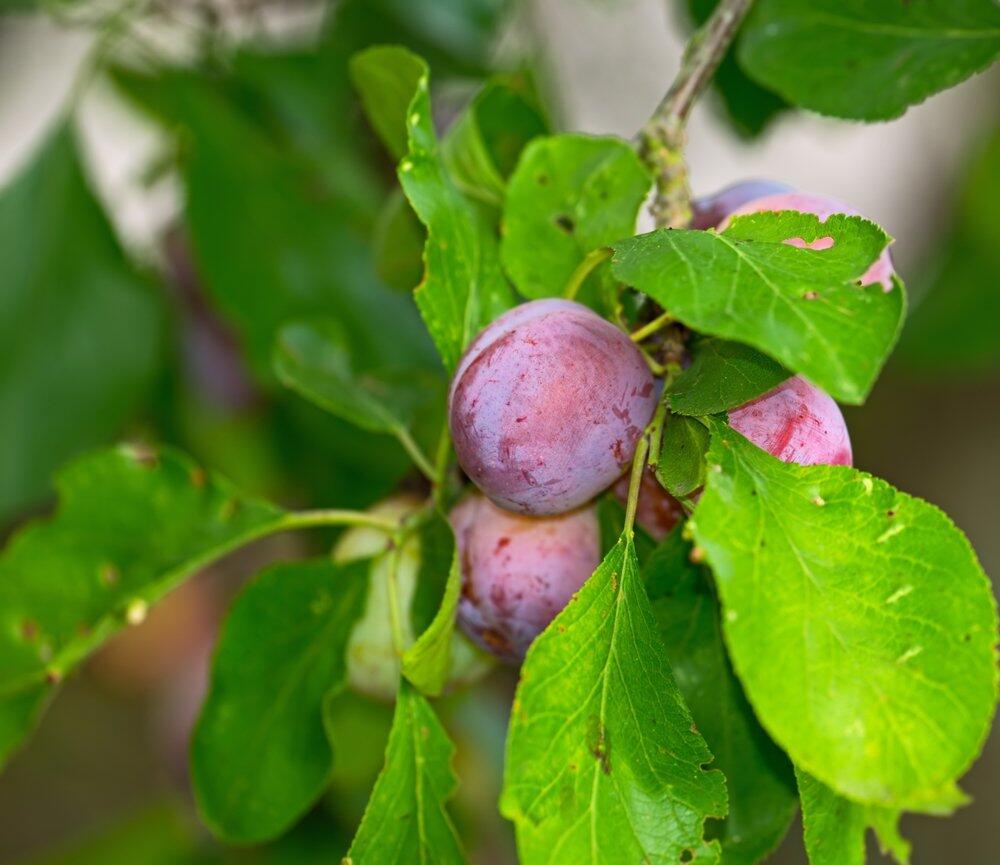
The Plum Fruit Tree (Prunus domestica) is the fruit tree you didn’t know you needed in your orchard until now. Dark purple fruits shine, surrounded by lush green leaves. Plum trees are perfect for home fruit orchards, offering beauty and bounty. In spring, they burst into a spectacular display of delicate blossoms, filling the air with charm and signaling the season of renewal.
As they mature, these trees produce juicy, flavorful plums that can be enjoyed fresh, dried, or made into jams and desserts. Their lush green foliage provides shade and enhances the landscape all season long. Plum trees are hardy, resilient, and rewarding to grow, bringing joy to gardeners and wildlife. With their ornamental appeal and delicious harvests, they truly enrich any outdoor space.
Family: Rosaceae
Light Requirement: Full Sun
Water Needs: Moist
Height: 20 - 25 ft.
Spread: 10 - 20 ft.
Growth Rate: Fast
Bloom Time: Spring
Flower Color: White
Wildlife Value: Attracts bees, butterflies, birds
The Plum Fruit Tree is a superb fruit tree to add to your home or landscape.
The flowers bloom in spring and are pale pink to white, making for a pretty display. Plant this tree in your orchard or use it to line your border for easy-to-reach fruits. It is excellent as a focal point for a yard. Plant in a location with full sun. “Full sun” means a location that gets at least 6 – 8 hours of sunlight per day.
These trees are not self-pollinating, so buy and plant two trees to ensure that you have fruit set. Planting two trees simultaneously ensures both trees are at the same level of maturity to bear fruit.
Prune branches in late winter. Look for diseased, damaged, or rubbing bark that will create fungal or bacterial issues. Thinning out the canopy is a great way to ensure plenty of sunlight goes down into the tree and dries it out in the morning or after storms. You may have more fungal issues with your leaves, bark, or fruit without this. As your tree matures, it is vital to keep your branches fewer as fruits will load the branches and create significant weight.
Apply a balanced fertilizer of nitrogen, phosphorus, and potassium in early spring for optimal health and vigor. The nectar-rich flowers are attractive to bees and other pollinators, and the fruits attract plenty of wildlife to your yard, including squirrels and other mammals.
The Plum Fruit Tree will take up to five years to start producing fruit, so don’t wait any longer to plant your new orchard! Order all your fruit trees from TN Nursery.

Since 1959, TN Nursery has grown and shipped quality bare root plants nationwide. Shipped during dormancy, bare-root plants develop strong root systems and establish quickly. Our experienced team carefully harvests and packages every order, providing growers with trusted plants backed by over 65 years of nursery experience.
Learn More About
Bare root trees
Delicious Fruit:
Enjoy homegrown plums that are juicy, sweet, and perfect for eating fresh or making preserves.
Self-Pollinating:
Many plum varieties are self-pollinating, which means you don’t need multiple trees to produce a bountiful harvest.
Compact Size:
Ideal for smaller gardens, this tree can fit into various garden spaces while still producing ample fruit.
Attractive Foliage:
The Plum Fruit Tree features lovely blossoms in spring and vibrant leaves in autumn, adding beauty to your garden year-round.
Fall Digging
Spring Digging
Packing Orders
Customer Unboxing Video
Product Highlight
My Plum tree has fruit this year, so happy !
I’m beyond impressed with my plum fruit tree from TN Nursery. The tree arrived in perfect condition, with healthy roots and no signs of stress from shipping. It has adapted to my soil extremely well and continues to grow steadily. This is exactly what I hoped for in a fruit tree purchase.
TN Nursery has become my go-to for fruit trees. The plum tree I purchased was strong, healthy, and easy to plant. It’s growing quickly, and I couldn’t be happier with the results. Excellent nursery for gardeners who want dependable quality.
I highly recommend TN Nursery for anyone looking to buy a plum fruit tree. The ordering process was smooth, delivery was fast, and the tree itself was gorgeous and full of life. It’s thriving in my yard, and I can’t wait to taste the fruit when it matures.
TN Nursery sent me the healthiest plum fruit tree I’ve ever ordered online. The tree was carefully packed, ensuring no damage during shipping. After just a few weeks, it has already produced lush new leaves. I look forward to harvesting delicious plums in the near future.
I was amazed by how strong and healthy my plum fruit tree looked when it arrived from TN Nursery. The roots were well-developed, and the tree has already taken to my garden soil beautifully. It’s rare to find a nursery that provides such great value and customer care.
Ordering my plum fruit tree from TN Nursery was one of the best gardening decisions I’ve made. The tree shipped fast, and it looked fresh and healthy right out of the box. Their attention to quality and customer satisfaction really shows. I recommend TN Nursery to anyone who wants reliable fruit trees that thrive.
I recently purchased a plum fruit tree from TN Nursery, and the entire experience was excellent. The tree arrived well-packaged, with strong roots and vibrant green leaves. Planting instructions were clear, making it easy to get the tree established quickly. I’m already seeing new growth, and I’m excited about the future harvest of sweet, juicy plums. TN Nursery truly delivers high-quality fruit trees at affordable prices.
The trees were packed so nicely and in excellent condition when they arrived. We had them in the ground within an hour. They are putting of beautiful foliage and we are thrilled and excited to see our first plums. Thank You !!!
Dreat
I received my trees well packed and watered. Although the trees were still dormant the root system seemed healthy.
Arrived in great condition, was already budding. Also received a 3rd tree free!
Plum Fruit Tree
All three bare roots look healthy. Their are small sprouts on all three. Planted today and look forward to eating their fruit very soon!!
My tree arrived in greate condition
Yes came in looking fabulous. Trying to about 40" above roots and the trunk is as thick as my index finger. I'm very pleased so far, here's to hoping they thrive
Awesome place to get trees and great prices. When I got the trees they were well packaged. I would buy from they again.
They arrived in great shape I love bare root trees.. they are so much stronger.. I ja found a perminant spot for them so I soaked the roots and put in pots for now. There doing good so far
Was pleased with the trees nowI want to see it grow. I would have liked some information on my tree about care, how big it will get, etc…...
The tree came packaged well and when opened it looked healthy. There were already a few leaves sprouting.
Very satisfied with my plum trees.will be ordering from u all again.
Great looking bare root plants, fast shipping
Prompt shipment. Very well packaged. Tree size as described.
Bought 2 plum trees and they arrived in great condition. Got them unpacked everything looked great and I planted them the next day. Now the wait till they produce some great tasty plums.
The shipping was quick. The items arrived in good packing. The roots were covered is moist paper or fabric and in a secured plastic bag. Hopefully will see some leaves/ blooms soon.
Nice tree easy to plant and care for
Expert packaging and fast shipping
I got a beautiful looking plum for my newly planted plum orchard!!!
I was very surprised a pleased with the trees you sent me. They have nice roots and are well branches
Excellent look great
I received my bareroot fruit tree and it looked really good. It was very well packaged and it it looked really healthy. Great job once again TN Nursery.
These items are a great find! The plum trees are popular in southern gardens and also give color during most of the year whether its from flowers or the fruit.
Fruiting Plum