Ripe mulberries transitioning red to black on Mulberry Tree branch with green leaves

Mulberry Tree

1-2 Feet / Red / Buy 1 Get 1 Free
$26.99
Sale price  $26.99 Regular price 
Skip to product information
Ripe mulberries transitioning red to black on Mulberry Tree branch with green leaves

Mulberry Tree

Provides excellent shade and shelter, Fast-growing, quickly fills space, Adaptable to various soil conditions
$26.99
Sale price  $26.99 Regular price 

Fast Shipping Nationwide

Truck on checkered background
Quantity Buy 1 Get 1 Free

Ship Date: Ships in November 2026

Add 1 plant to your cart, and we'll send you a 2nd one FREE!

Share our plants on social media!

This Item is not eligible for shipment to the following states: WI. CA.
Tennessee Wholesale Nursery

In Stock

Tennessee Wholesale Nursery

Your planting zone -

Tennessee Wholesale Nursery

This plant thrives in zones: 4-9

Tennessee Wholesale Nursery

Delivery to your location

Mulberry Trees for Sale

Our Mulberry Tree is a rewarding choice for gardeners who want shade, seasonal fruit, and dependable landscape value from one planting. Among the most practical fruit trees for sale, mulberry grows into a tall, productive tree that brings welcome summer harvests and turns an ordinary yard or orchard into a more useful, wildlife-friendly space. If you enjoy seeing birds and squirrels around your property, this native fruiting tree is especially appealing. It is known for being disease-resistant, naturally tough, and easier to grow than many other tree seedlings for sale. Under normal soil conditions, it establishes well and usually needs fewer inputs than fussier landscape plants.

In spring, the tree produces small green blooms that are not showy, but they play an important role in the fruiting cycle. The flowers and foliage offer a light spicy, earthy fragrance that adds a pleasant natural character to the garden. This is not a flashy ornamental, and that is worth noting if you are planting mainly for bold flower color. Instead, mulberry earns its place with fast growth, edible fruit, and reliable performance. For best results, give it moderate care as it settles into your yard.

Lush Mulberry Tree with vibrant green leaves and ripe red purple berries

Plant Details | Mulberry Tree (Morus sp) Facts

Family: Moraceae

Light Requirement: Full Sun

Water Needs: Moist

Height: 30 – 45 ft.

Spread: 20 – 40 ft.

Growth Rate: Fast

Bloom Time: Spring

Flower Color: Green

Wildlife Value: Attracts bees, birds

TN Nursery Offers 2 Varieties of Native Mulberry Trees

We offer white and red mulberry trees at TN Nursery, giving home gardeners flexible options for planting native fruiting trees with old-fashioned appeal. Morus Nigra remains a favorite for growers who want richly flavored fruit, and red mulberry is treasured for its sweet berries and dependable garden performance. These trees are native to North America and have earned their reputation by growing quickly and adapting to most soils and zones with very little fuss. If you are looking to buy fruit trees online, mulberry is a smart, practical pick for both home orchards and larger landscapes.

Growing and Maintaining Mulberry Trees in Your Landscape

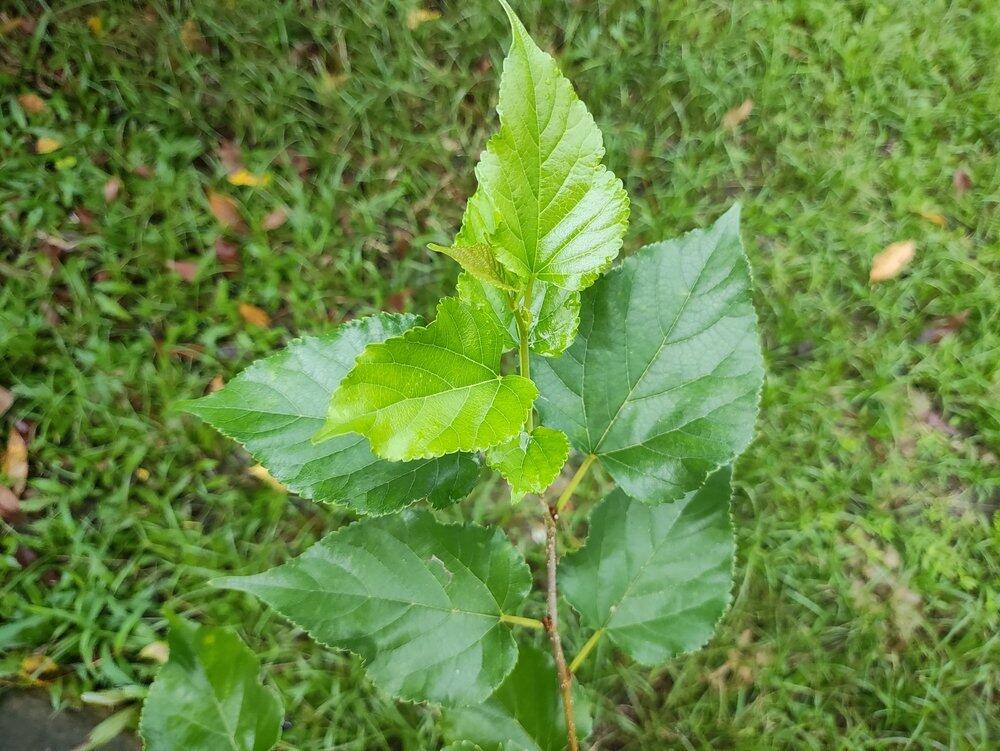
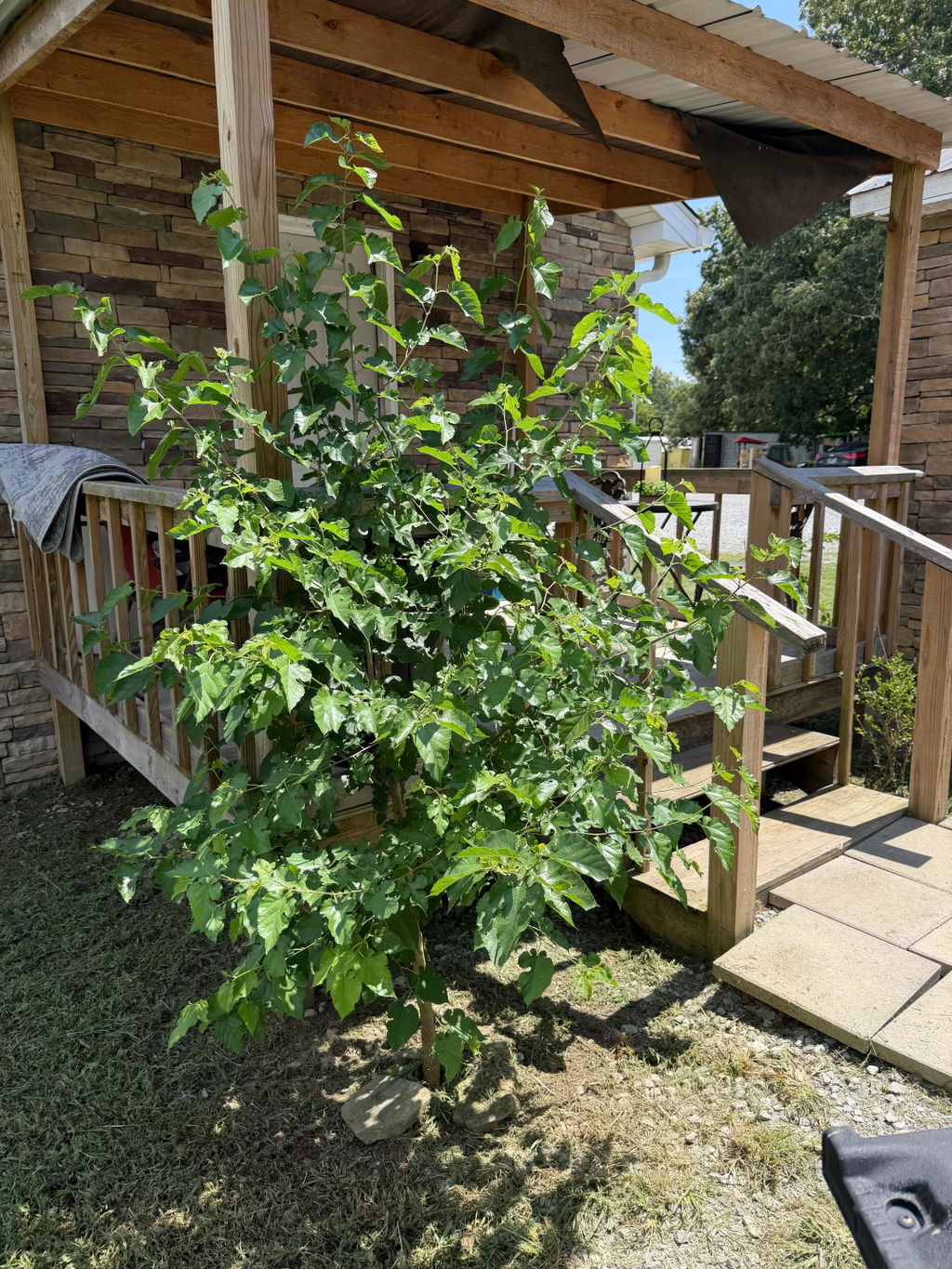
The Mulberry Tree is a native deciduous tree with serrated leaves and fruit that can range from dark red to white, depending on the variety. It is one of those reliable landscape trees that feels easy to live with once established. Plant it where it can enjoy full sun and room to mature, and it will reward you with fast growth, summer fruit, and useful habitat value. The blooms help attract bees, while the ripening berries draw in birds, squirrels, and other mammals, making this one of the more rewarding tree seedlings for sale for gardeners who want both beauty and backyard activity.

Features & Wildlife Benefits

The Mulberry Tree produces edible fruits that resemble blackberries or raspberries in shape, though they are rarely sold in stores because they do not keep well after harvest. That is exactly why they are such a treat at home. Pick them fresh and enjoy them right from the tree, or use them raw or cooked in your favorite recipes. For shoppers browsing fruit trees for sale, mulberry offers the kind of backyard harvest that feels personal, flavorful, and well worth the wait.

This tree is self- and wind-pollinated, and it also attracts bees, which makes fruit production more dependable even in areas with lighter pollinator activity. That trait makes it a strong option for gardeners interested in self pollinating fruit trees that still provide meaningful ecological value in the landscape.

Bare-root Mulberry Tree with slender brown trunk and tangled roots

Frequently Asked Questions

Is this mulberry a good choice if I am comparing fruit trees for sale for home gardens?

Yes. Mulberry is a fast-growing fruiting tree with edible summer berries, wildlife value, and easy landscape use for yards or home orchards.

Does the mulberry tree need another tree nearby to produce fruit like some self pollinating fruit trees?

This tree is described as self- and wind-pollinated, so it can still produce fruit even where bee activity is lower.

What growing conditions does this mulberry tree prefer?

It grows best in full sun with moist soil, and it has a fast growth rate, reaching about 30–45 ft. tall with a 20–40 ft. spread.

Need Help?

Phone: 931-692-7325

Call Now

Exposure

Mulberry trees thrive in full sun, requiring at least 6-8 hours of direct sunlight daily. They can tolerate some partial shade, but total sun exposure is best for optimal fruit production and growth.

Height at Maturity

Over 25 Feet

Usage

Fruit

Shipped As

Bare-root

Ships

UPS

Planting Zones

4-9

How To Grow

How to Grow and Care for Fruit Trees

Fruit trees are a rewarding addition to any landscape, offering fragrant blossoms in spring and fresh, homegrown harvests in summer or fall. Popular varieties like apple, peach, pear, and plum thrive in full sun and well-drained, nutrient-rich soil. Choose trees suited to your USDA zone, and plant in early spring or fall for the best root development.

Dig a hole twice as wide as the root ball and deep enough so the root flare sits just above the soil line. Backfill with native soil, water deeply, and apply mulch around the base—keeping it a few inches from the trunk—to retain moisture and suppress weeds. Water regularly during the first growing season, especially during dry spells.

Prune annually to shape the tree, improve air circulation, and boost fruit production. Fertilize in early spring with a balanced or fruit-specific fertilizer. With proper planting, seasonal care, and a little patience, fruit trees will reward you with beauty, shade, and bountiful harvests year after year.

Care Tips
Mulberry trees thrive in well-drained soil and benefit from regular watering, especially during dry periods. They should be trimmed in winter to preserve shape and remove dead branches. In spring, they should be fertilized annually with a balanced fertilizer. Mulch near the bottom to retain moisture and control weeds.
Light Requirements
Mulberry trees thrive in full sun, requiring at least 6-8 hours of direct sunlight daily. They can tolerate some partial shade, but total sun exposure is best for optimal fruit production and growth.
A sun-dappled dirt path winds through a lush, green forest with ferns and wild plants lining its sides.

Grower-Direct Plants Shipped Fast - Satisfaction Guaranteed