Witch Hazel Details
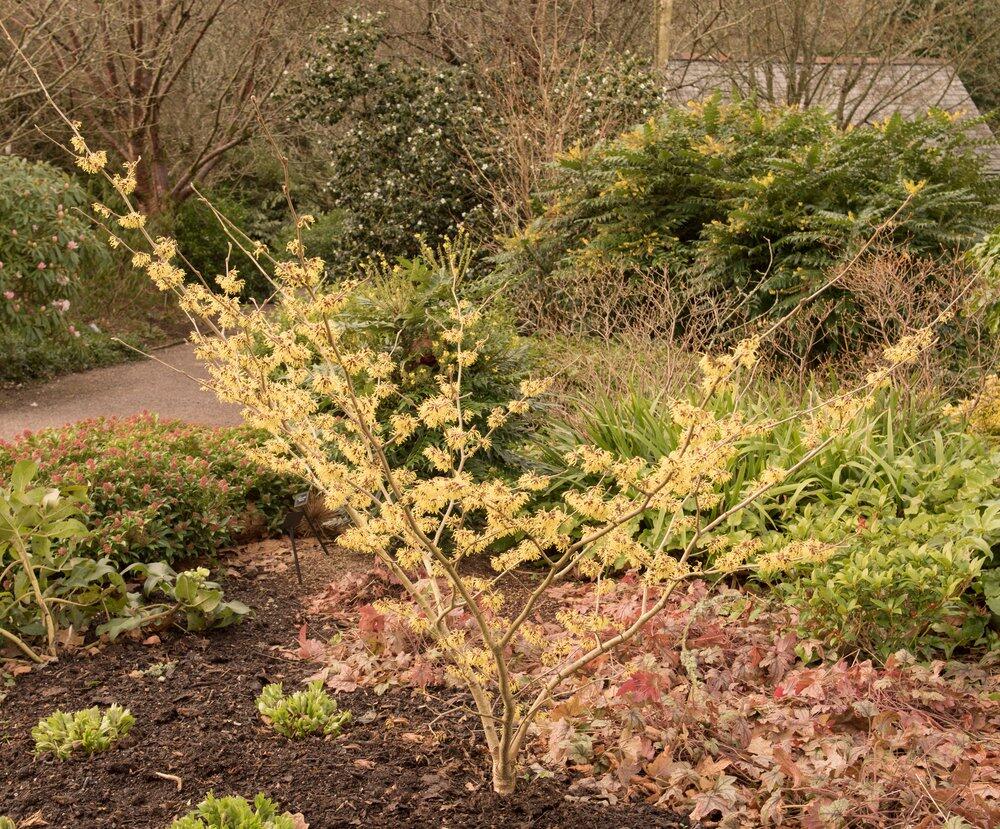
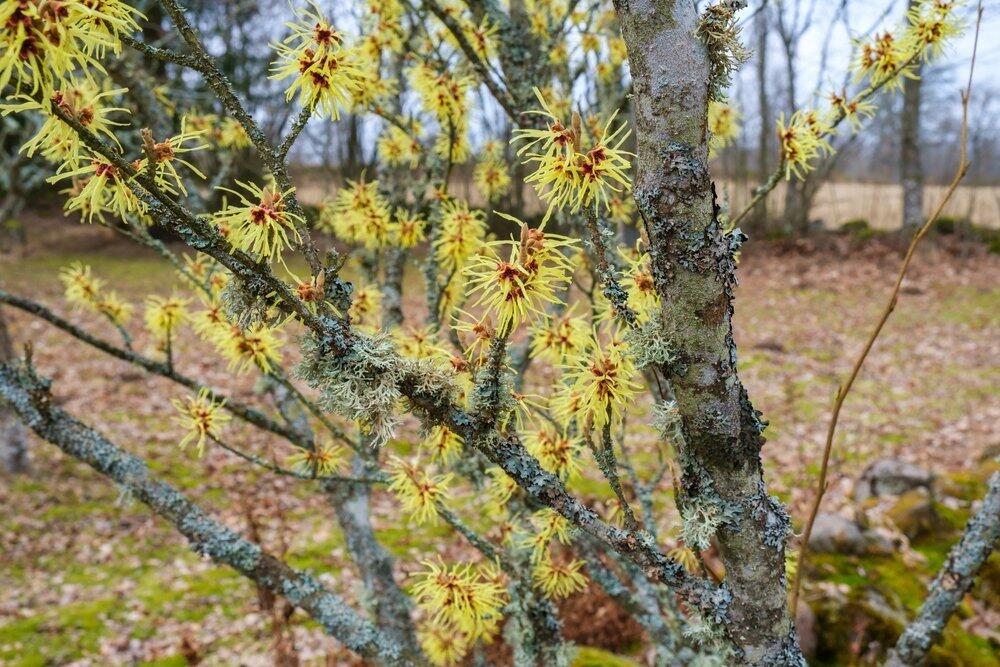
American witch hazel (Hamamelis virginiana) is a native deciduous shrub or small tree that blooms in fall, from October to December, when most of the garden has finished. Fragrant, ribbon-like yellow flowers open along the branches as the golden fall leaves drop, and they often last several weeks through frost.
- Hardiness zones: USDA 3-8
- Mature size: 15-20 ft tall and about as wide
- Light: Full sun to partial shade
- Soil: Moist, well-drained
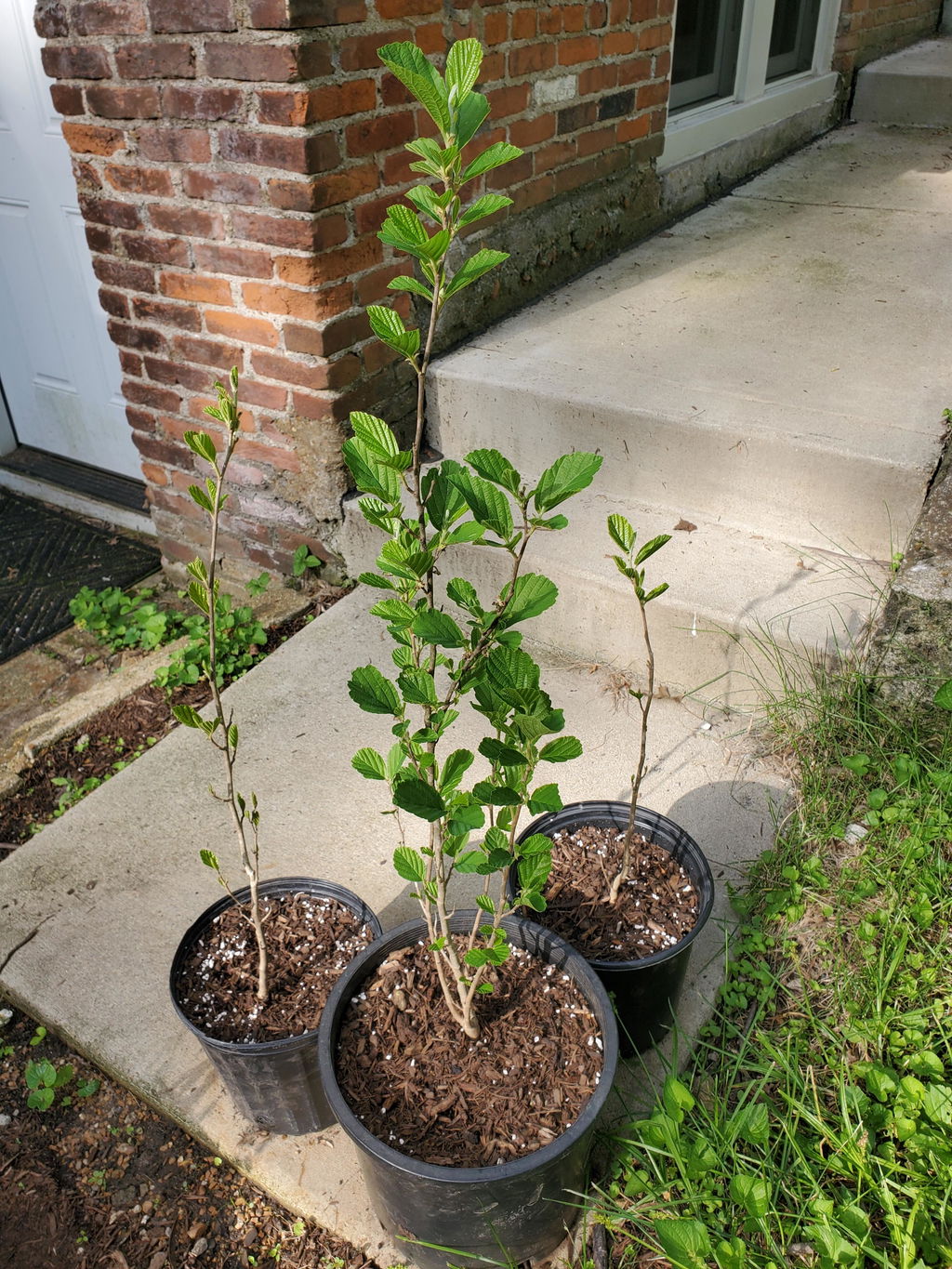
- Sizes: 1-2 ft or 2-3 ft, shipped bare-root
- Packs: Buy one, get one free, or packs of 25, 50, 100, 500 and 1,000
- Shipping: By UPS, for planting from November to April
Why Grow American Witch Hazel?
It gives you flowers and scent when little else is in bloom. The late flowers feed bees and other pollinators still active in fall, and birds and wild turkeys eat the seeds, which the ripe capsules can throw up to 30 feet. Deer usually leave established plants alone. It fits woodland gardens, native plantings, informal hedges, streambanks and naturalized property borders.
What Soil Does Witch Hazel Need?
Witch hazel does best in soil rich in organic matter, like a woodland floor. It adapts to clay too, as long as the soil drains well and stays evenly moist.
How Does Witch Hazel Grow and Where Should You Plant It?
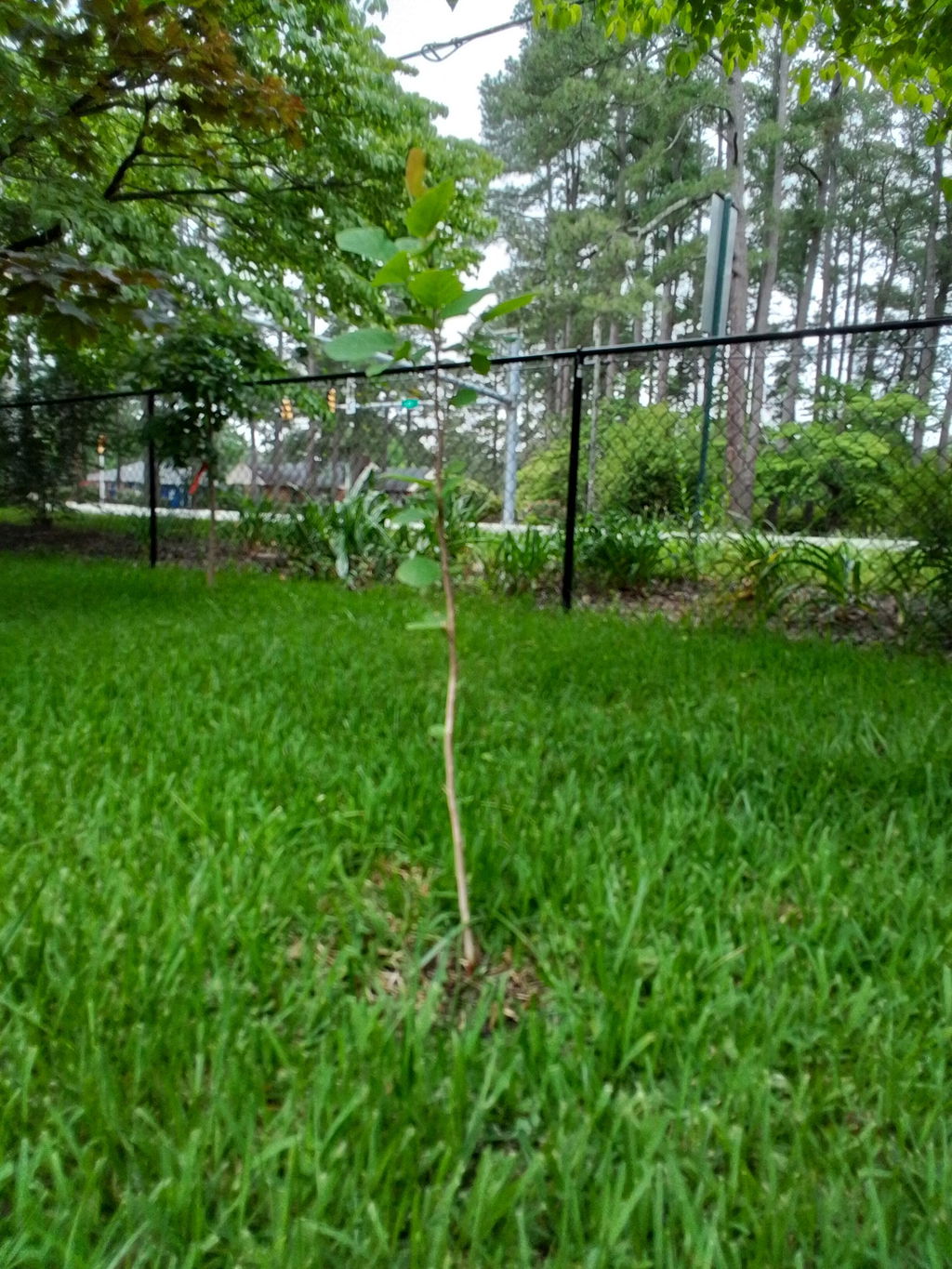
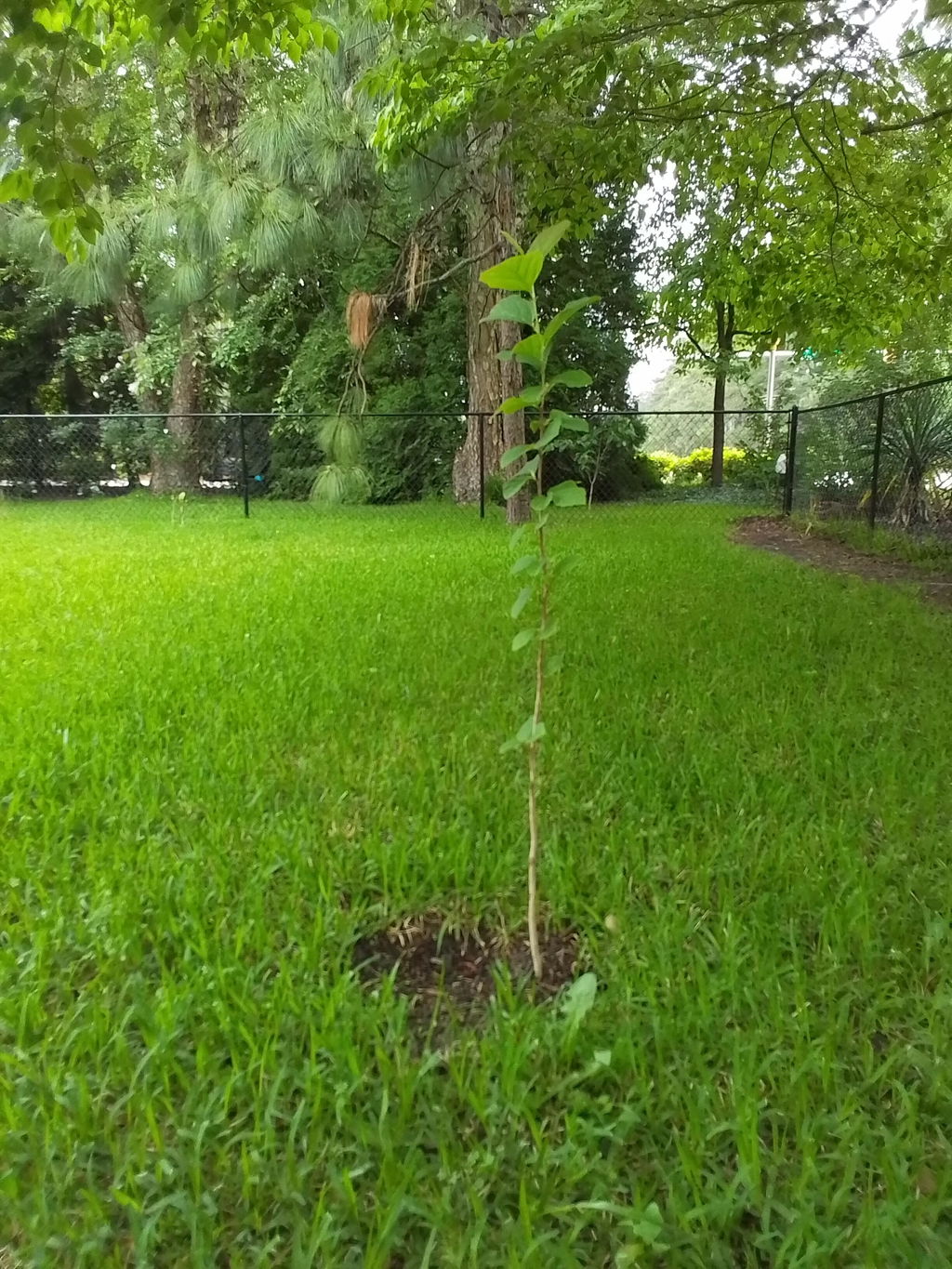
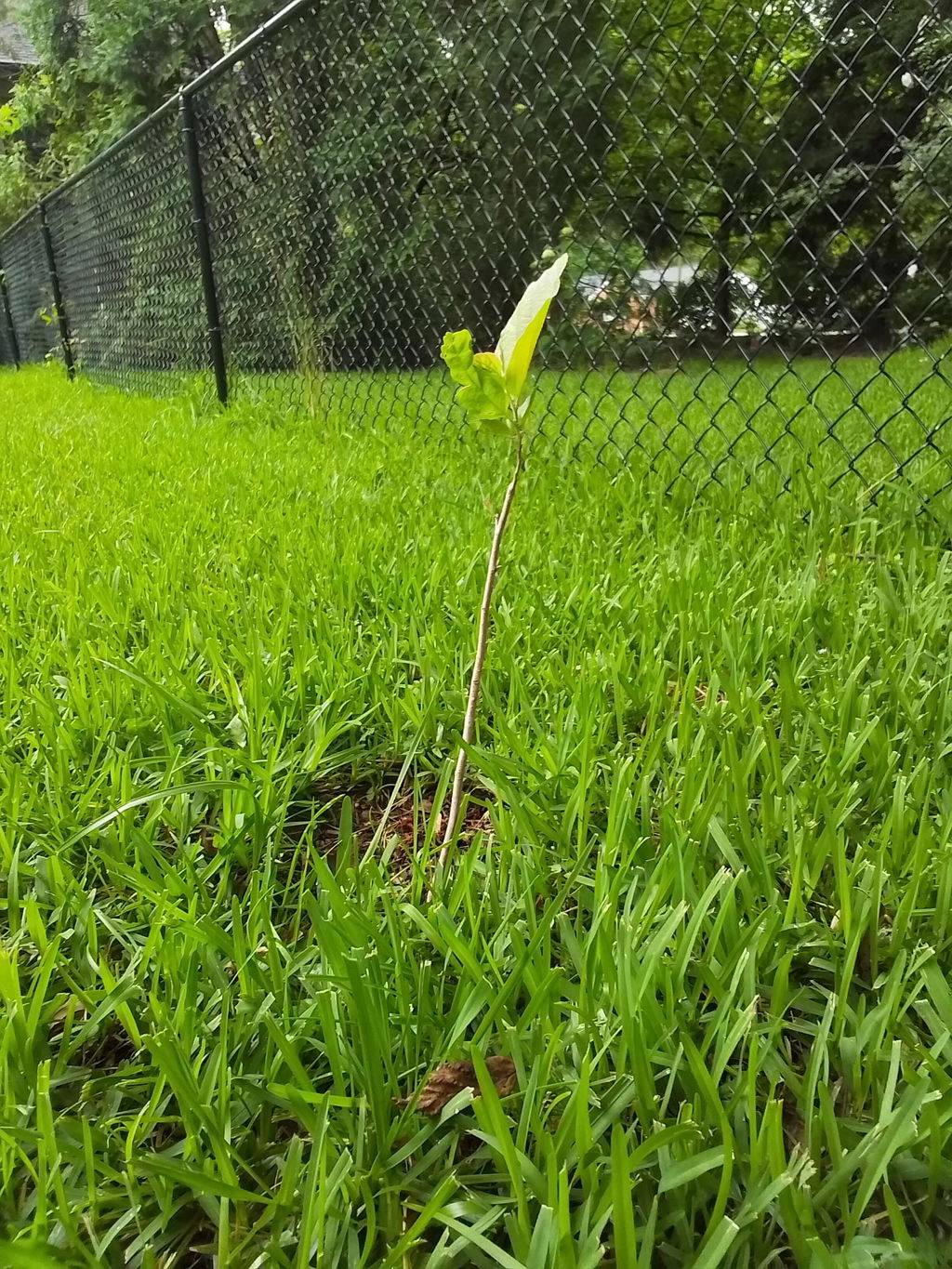
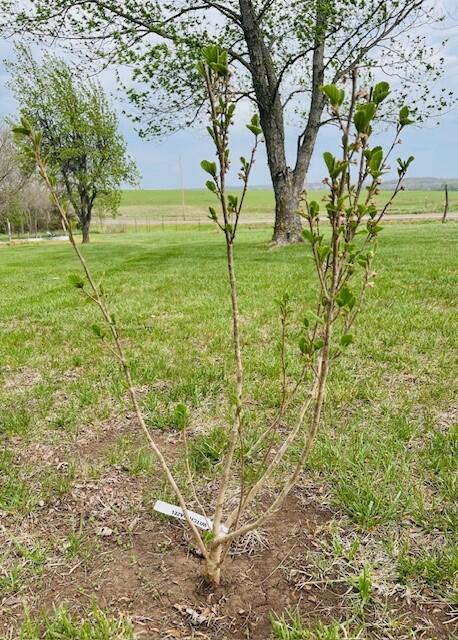
It grows at a medium rate into a multi-stemmed shrub with a spreading, open crown. Pruned to one main stem, it grows as a small tree. Over time it gently fills out into a fuller, natural clump. Plant it at a woodland edge, as an understory plant beneath taller trees, beside a stream or rain garden, or near a path or window where you can enjoy the fall flowers up close. It flowers most heavily with some sun, and in the warmest part of its range it appreciates afternoon shade. Leave room for its full spread, and space plants about 10 ft apart for an informal screen.
How Do You Plant Bare-Root Witch Hazel?
- Soak the roots in water for about an hour. Plant any day the ground is workable.
- Dig a hole wider than the spread roots and just deep enough to set the plant at the depth it grew before.
- Spread the roots, backfill with the soil you removed and firm it gently.
- Water deeply, then add 2-3 inches of mulch, keeping it off the stems.
How Do You Care for Witch Hazel?
Water weekly through the first growing season during dry weeks, then during long dry spells. It thrives without regular fertilizer, and a light feeding in early spring gives it an extra boost. Prune after flowering, in late winter or early spring, because next fall's flower buds form over the summer. For a single-trunk tree form, trim the extra shoots at the base.
Why Buy Witch Hazel From TN Nursery?
We grow more than 200,000 witch hazel at our Tennessee nursery, and every plant we ship is freshly dug, carefully packed and guaranteed to arrive in excellent condition. In more than 60 customer reviews, the comments we hear most are that the plants arrive healthy and well packed and settle in to grow well. Plant a pair for a home garden, or order a larger pack for hedges, riparian buffers and restoration work. For large native plantings, we also sell American witch hazel seedlings in bulk.
Family-owned since 1959, TN Nursery has shipped plants to customers as large as NASA and the US Air Force, and each witch hazel is packed with the same care.