Linda Trimble
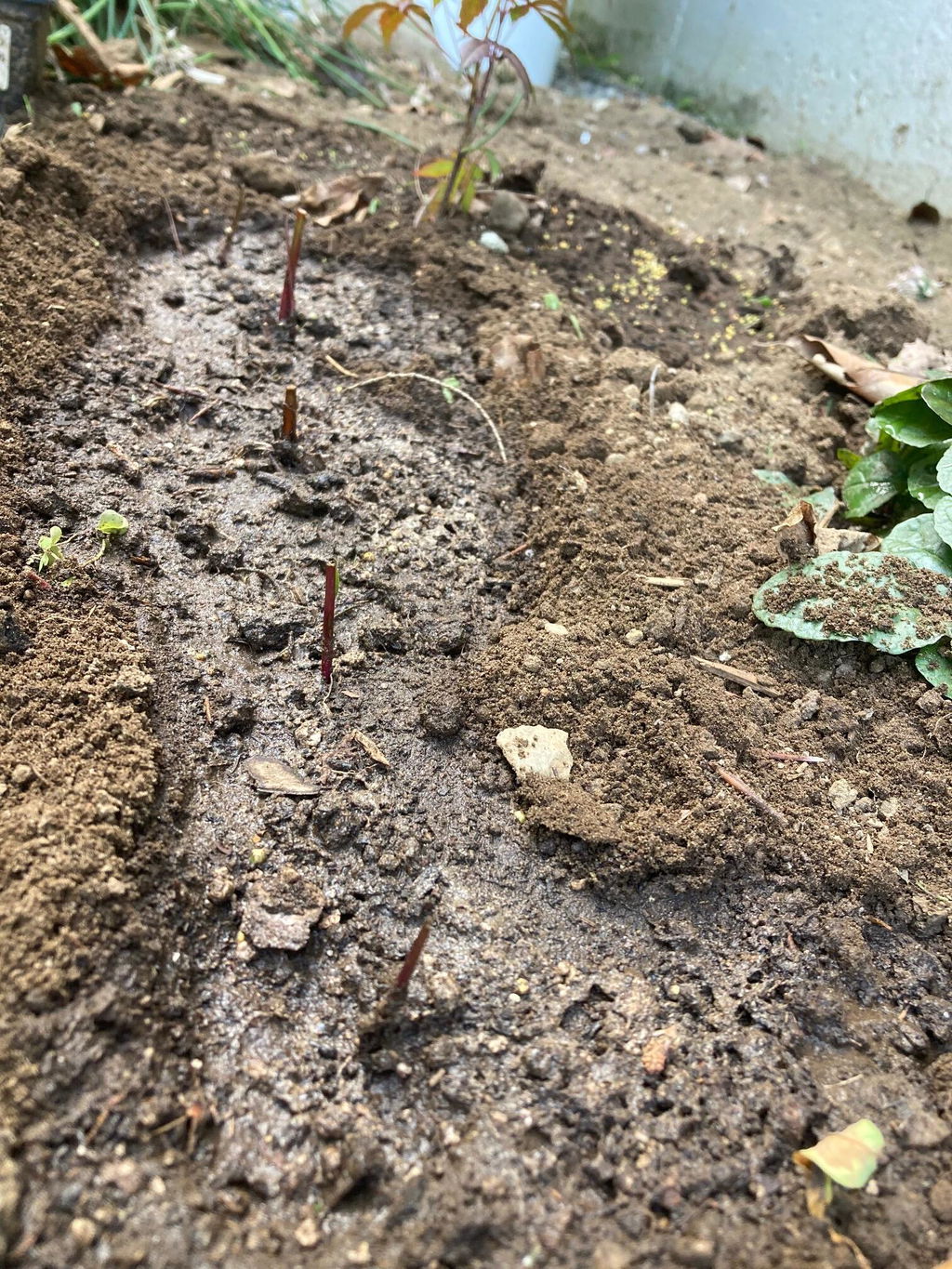
It’s a little hard to review them yet. The roots came right away, with instructions. There were supposed to be two but there were more like six! I planted them and we’ll see what happens next spring!

Purple Coneflower
Ships Now
3-9
2-4 Feet
Moderate and Low
Full sun
Summer
Coneflowers are low-maintenance perennials that thrive in various soil types. They need regular watering, especially during dry spells. Deadhead spent flowers and trimmed them back in late fall to encourage continuous blooming. They are resistant to most pests and diseases.
Coneflowers thrive in full sun, requiring at least 6 hours of direct sunlight daily. They can endure light shade, especially in hotter climates, but optimal blooming occurs with ample sunlight. Ensure well-draining soil for best results.
Attracts monarchs and other butterflies , seeds feed goldfinches, blooms through summer with deadheading
Linda Trimble
It’s a little hard to review them yet. The roots came right away, with instructions. There were supposed to be two but there were more like six! I planted them and we’ll see what happens next spring!
Lynn Muckelrath
I've ****
Olive Foster
Have planted the roots--waiting for it to grow.
About this plant
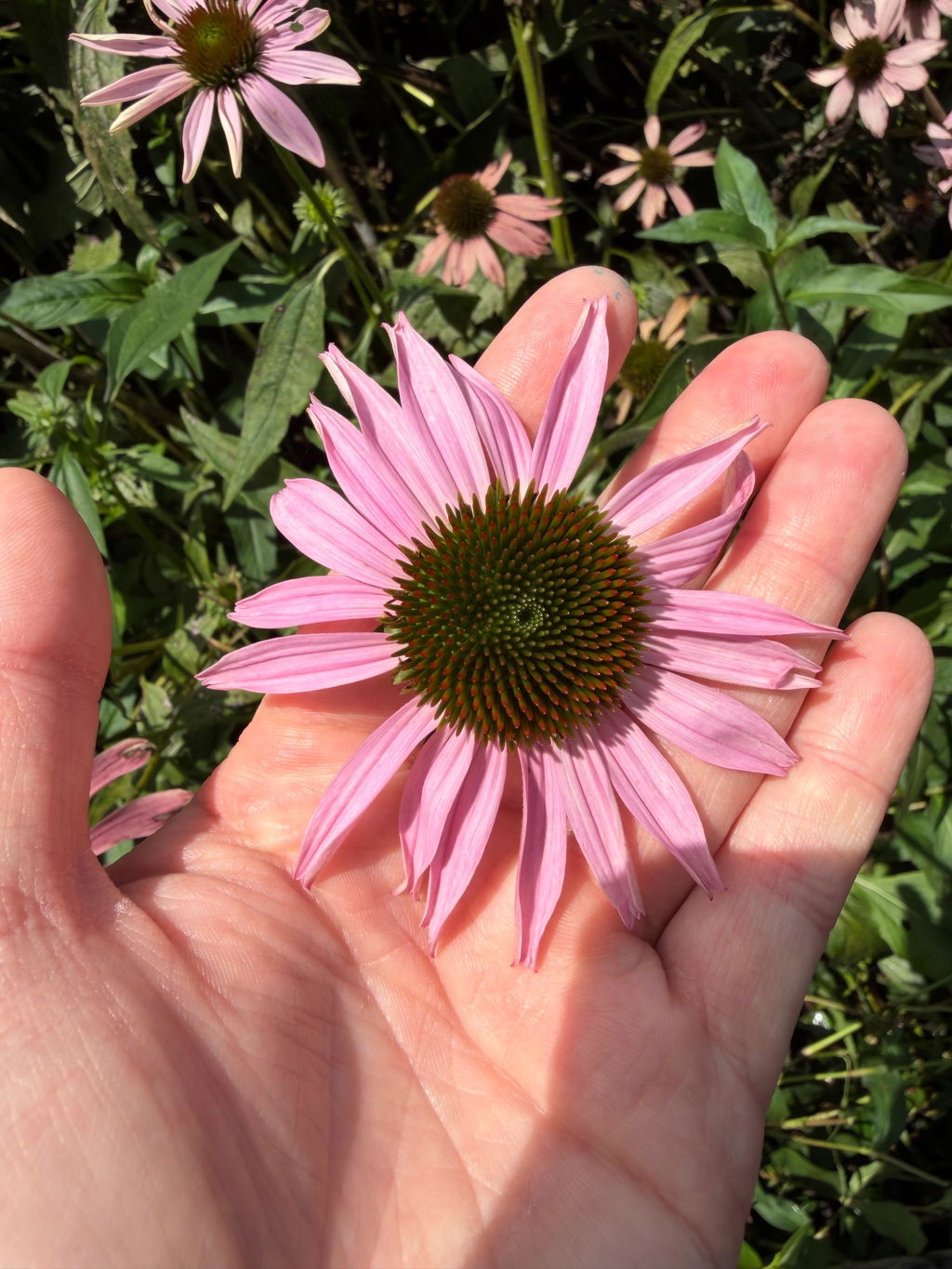
Coneflower (Echinacea purpurea) is a native perennial of the central and eastern United States. Its bold, daisy-like blooms stand on sturdy stems, featuring vibrant pink to purple petals surrounding a raised orange-brown cone. Coneflowers are highly resilient, thriving in various soil conditions and tolerating heat, drought, and unpredictable weather.
Coneflowers support local ecosystems by attracting butterflies, bees, and other essential pollinators, making them ideal for sustainable, wildlife-friendly gardens. As the season progresses, their seed heads draw songbirds, adding interest long after the blooms fade.
Coneflowers are low-maintenance, providing lasting color with minimal upkeep. Once established, they require little watering and produce stronger growth each year. Their dense roots help stabilize soil, making them effective for erosion control. They integrate well with other native plants in garden beds, borders, or meadows.
Purple Coneflower is perfect for flower beds, borders, pollinator gardens, and naturalized areas. It produces reliable blooms year after year and typically reaches 2-4 feet tall. It also makes an excellent cut flower for fresh arrangements. If you want a tough, beautiful, and wildlife-friendly plant for a sunny spot, the purple coneflower is an easy native to cultivate.
| Feature | Details |
|---|---|
| Mature Height / Spread | 2 to 4 ft tall, 1½ to 2 ft wide |
| Sunlight | Full sun (6+ hours), tolerates light shade |
| Soil Type | Well-drained; tolerates clay, sand, and loam |
| Zones | USDA Zones 3-9 |
| Bloom Color | Pink to purple |
| Bloom Time | Summer to early fall |
This plant ships bare root. We dig our coneflowers while they are dormant, so don’t worry when they show up without leaves. All you need to do is set the crown right at soil level, water it in, and keep the ground damp for the next few weeks until the plant leafs out. We offer purple coneflower for sale in packs of 5, 10, and 25, making it easy to plant in drifts, which is how it looks best.
Echinacea is an important nectar source for many kinds of bees and butterflies, and hummingbirds occasionally visit too. The large, wide-open flowers of Echinacea make it easy for pollinators to access the nectar and provide a landing platform for them.
Pests rarely attack the coneflower. However, the Japanese beetle is a common nuisance that chews the petals. Aster yellows, a disease spread by leafhoppers, stunts plants and turns the flowers into green tufts. If you see it, pull out and destroy the affected plants right away.
Echinacea purpurea’s stiff stems can brave strong winds and storms without the need for staking, even at 4 feet tall. Additionally, coneflowers self-sow when they are left to set seed. This usually results in them filling the planting gaps over time. To prevent this, pull out extra seedlings in the spring.
Ships: Ships Now
Height at Maturity: 2-4 Feet
Water Needs: Moderate and Low
Sun or Shade: Full sun
Bloom Season: Summer
Exposure: Coneflowers thrive in full sun, requiring at least 6 hours of direct sunlight daily. They can endure light shade, especially in hotter climates, but optimal blooming occurs with ample sunlight. Ensure well-draining soil for best results.
Plant Attributes: Attracts monarchs and other butterflies; seeds feed goldfinches; blooms through summer with deadheading
For more tips on planting, growing, and caring for purple coneflowers, explore our Purple Coneflower guide. You can also browse our collection of perennial plants to discover more long-lasting blooms that attract butterflies and other pollinators to your garden.

Since 1959, TN Nursery has grown and shipped quality bare root plants nationwide. Shipped during dormancy, bare-root plants develop strong root systems and establish quickly. Our experienced team carefully harvests and packages every order, providing growers with trusted plants backed by over 65 years of nursery experience.
Learn More About
Bare root trees
Extended Bloom Time:
Enjoy continuous color throughout the growing season with Coneflowers. Their vibrant flowers last from summer to fall, and their seed heads offer visual interest even in winter.
Wildlife Friendly:
Coneflowers attract pollinators and provide seeds that nourish birds in the winter. They contribute to a garden that supports diverse wildlife throughout the year.
Eye-Catching Colors:
Coneflower plants boast daisy-like flowers in vibrant pinks and purples, adding a burst of color to any garden. Their long-lasting blooms light up your outdoor space from summer through fall.
Garden Versatility:
Whether used in borders, beds, or containers, Coneflowers fit seamlessly into any garden design. Their adaptability makes them a versatile choice for enhancing various garden styles.
Fall Digging
Spring Digging
Packing Orders
Customer Unboxing Video
Product Highlight
Proud of mine
I wish I could show you the photos! The little plants/roots arrived so carefully packed in a small dampened brown paper bag. They are very healthy!
We planted them the same day!
Thank you!
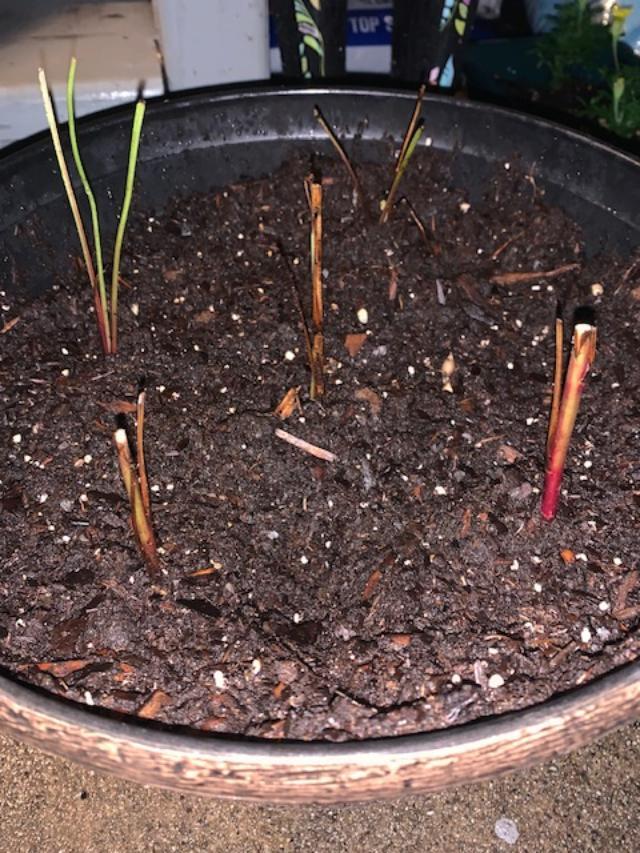
The Coneflowers arrived healthy! I started them in a pot and waiting for growth. I should be able to tell more in about three weeks or so. Thank you TN Nursery.
I ordered these knowing they would be small starter plants. I also knew they would ship in spring, but I was leaving on vacation and requested delay on shipping. I requested a shipping delay and they responded quickly and shipped based on my request. The plants were carefully packaged and ready to grow. I’m very happy with their product and service.
Although we were not at home when plants arrived, they were alive and green when we arrived back home. The instructions on what they should look like were very helpful!
These Coneflowers are amazing. They attract bees and butterflies, and my garden looks so lively now. Couldn’t be happier with this purchase.
The Coneflowers came in excellent condition and started blooming within a week. Shipping was very quick too. Highly recommend!
I’m so happy with my Coneflower plants from TN Nursery! They arrived fresh, well-packed, and are already blooming beautifully in my garden.
I love these Coneflowers. The plants were strong, packaged with care, and are already thriving. Customer service was also very helpful.
I planted them two weeks ago and they already look strong. They add a nice splash of color. One plant didn’t make it, but overall good value.
These Coneflowers brighten up my yard and look beautiful. Shipping was fast too. Only reason for 4 stars is that one plant was a little wilted.
Very pleased with how healthy the Coneflower plants were on arrival. They are thriving in my backyard. Slightly smaller than pictured, but still great.
The Coneflowers from TN Nursery grew quickly and are already blooming. They attract butterflies, which is a big plus. Just wished they came with care instructions.
The Coneflower plants from TN Nursery are a dream to grow. They arrived in top condition, adjusted quickly, and began blooming in no time. Their bright flowers keep my garden colorful throughout the summer while attracting pollinators daily. These hardy perennials are an absolute must-have for any gardener.
I’ve purchased Coneflowers before, but none compared to the quality I received from TN Nursery. The plants were robust, carefully packaged, and showed new growth almost immediately after planting. Their colorful blossoms brighten my yard, and they’re so easy to care for. This has been one of my best online nursery purchases.
The Coneflowers I bought from TN Nursery brought my garden to life. Their bright, daisy-like blooms add beauty while also attracting pollinators like butterflies and bees. The plants arrived healthy, with strong root systems, and took off quickly once in the ground. TN Nursery consistently provides high-quality plants.
I’m thrilled with the Coneflower plants I ordered from TN Nursery. They arrived fresh, well-hydrated, and ready to plant. Within a season, they established themselves beautifully, showing off their bold pink and purple flowers. These native perennials are both hardy and stunning—perfect for a pollinator-friendly garden.
My Coneflower plants from TN Nursery are thriving! Their vibrant blossoms last all summer long, attracting butterflies and bees nonstop. I was impressed with the fast delivery, secure packaging, and overall plant health. If you want hardy perennials that return year after year, these Coneflowers are the best choice.
The Coneflower plants I purchased from TN Nursery exceeded all expectations. They arrived carefully packaged and already looked strong and healthy. Just weeks after planting, they were bursting with vivid blooms, adding a cheerful splash of color to my landscape. These plants are perfect for low-maintenance gardens.
I ordered Coneflower plants from TN Nursery, and they arrived in perfect condition—lush, well-rooted, and ready to thrive. Within weeks, they established beautifully in my garden, producing bold, colorful blooms that attract butterflies and bees. TN Nursery truly delivers top-quality perennials for any pollinator garden.
Bought Coneflowers on buy one get one free. Received 3 in reasonably good condition with good roots. One had very little for a top.
One has put out good new growth 2 weeks after planting. One had a couple of small green leaves when received and is still like that. The location of the one without much of a top is lost under mulch. So expect to have two good plants in the spring, maybe three.
I was very impressed with the quality of the plants. A variety of sizes, 5 being very large, 15 medium, and a lot of small ones (but still bigger than what I got from another seller last year. All seem healthy and ready to grow.
I haven't planted them yet but the roots are very healthy and so I'll look forward to see how they do in the planting bed.
We have a large yard that is needing color and life brought back. Purchased the house 3 years ago. I'm physically disabled but my sweet husband is right there to plant everything!! The plants came in quickly and all in great shape!! Already have a second order in and will be ordering again!!! Can't wait to get them. Very happy with my purchase.
It’s a little hard to review them yet. The roots came right away, with instructions. There were supposed to be two but there were more like six! I planted them and we’ll see what happens next spring!
I've **** gotten barefoot plants before (didn't realize that was what I was ordering) so I cannot really rate them one way ot another.
Have planted the roots--waiting for it to grow.
Planted them and waiting for the plants to grow. It may not be until spring, but bare roots seemed moist and healthy. Only time will tell. We’re having a severe summer, so they’re in pots with some dappled sun.
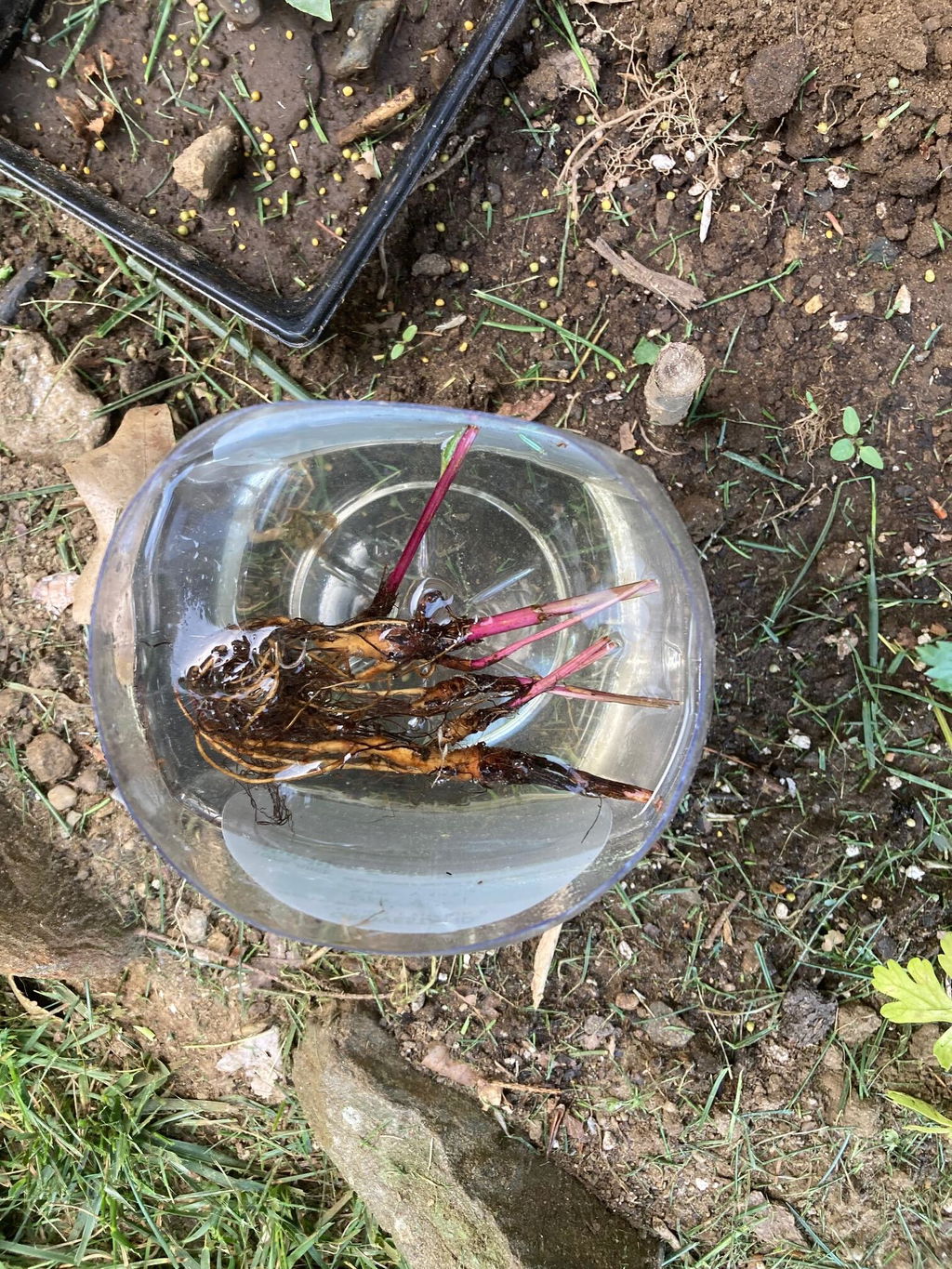
I received the bare root purple coneflowers very quickly after ordering them. They look great.. I did put them in water overnight and planted them the next day. It's only been a few days but they look very healthy and I can't wait to watch them grow. Thank you!!
EXTREMELY HAPPY WITH MY PAST ORDERS FROM TN NURSERY!!
QUALITY PLANTS AT A PHENOMENAL PRICE!!!
Arrived safely and is already sprouting!