Debbie Kuglar
Very nice roots, look healthy and I can't wait to see them bloom. Very fast shipping and nice packaging.👍

Water Lily Plant
Ships Now
3-11
Under 12"
High
Full sun and Partial shade
Summer
Water lilies thrive in still water with a wide, shallow container. Ensure the water level is stable and provide ample space for the roots to spread. Regularly remove dead leaves and keep the water clean to prevent algae growth.
Water lilies flourish in complete sun, needing at least 6 hours of natural sunlight daily to produce abundant blooms. They can tolerate partial shade but may flower less. Ensure they receive ample sunlight for optimal growth and vibrant blossoms.
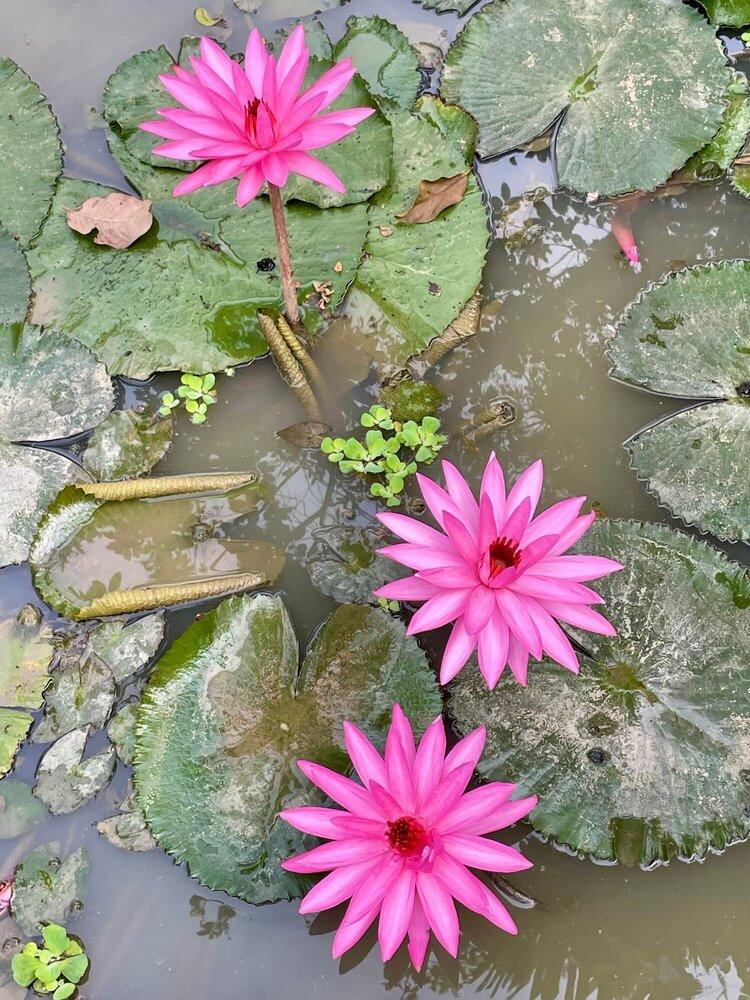
Hardy & no maintenance required , pink & white flowers lovely aroma, Great for aquatic life
Debbie Kuglar
Very nice roots, look healthy and I can't wait to see them bloom. Very fast shipping and nice packaging.👍
Ed Westman
The water lilies arrived looking good and healthy I can’t wait to plant them and see them grow.
Pam Fox
Water Lily
About this plant
Prized for its floating green leaves and showy flowers, the water lily plant (Nymphaea) is a beautiful aquatic perennial. Water lilies add long-lasting color, texture, and natural beauty to ponds, water gardens, and other calm freshwater features. Plant them in a sunny spot to enjoy an elegant display year after year.
These hardy, low-maintenance pond plants offer beauty while supporting a healthier aquatic environment. By limiting the sunlight that reaches the water, their broad floating leaves may help discourage excessive algae growth; they also shade the water and offer shelter for fish.
Backyard ponds, container water gardens, and larger water features are all ideal settings for these graceful plants. Once established, a water lily spreads across the water's surface, creating a colorful, peaceful focal point.
Heavy garden soil or clay-based aquatic soil is where water lilies grow best. Because materials such as peat, bark, or perlite can float out of the container and cloud the water, avoid lightweight potting mixes that contain them.
Plant the water lily rhizome around a water garden feature, in a wide aquatic planting basket, or in a container. To help hold everything in place, cover the soil with a thin layer of mulch or pea gravel, but keep the growing tip of the rhizome uncovered.
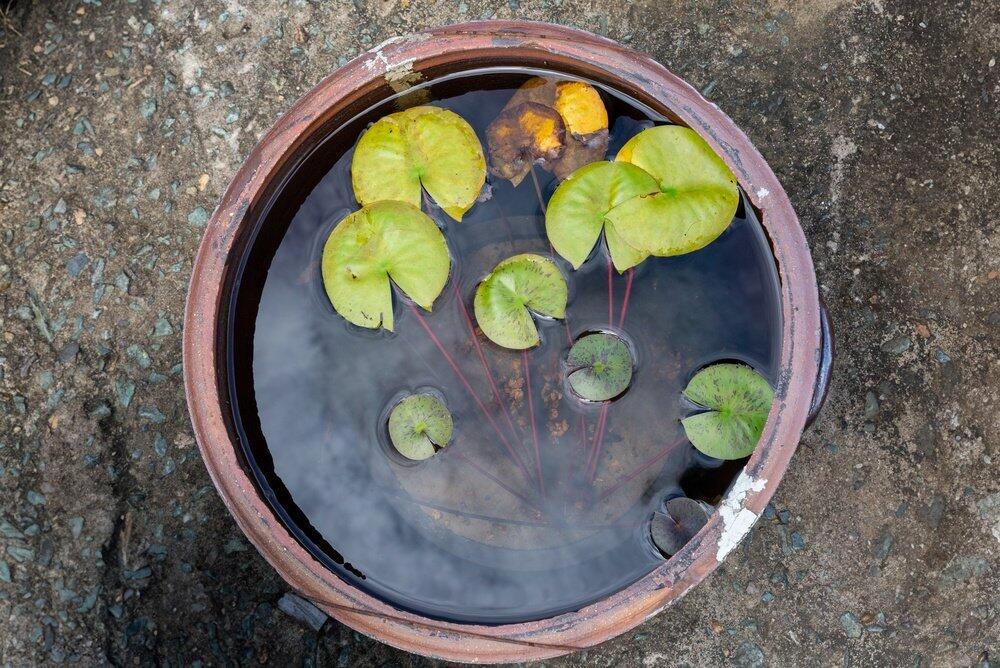
When planted in soil at the bottom of a pond or in a submerged container, water lilies grow from underwater rhizomes. Rounded leaves that float on the surface are produced by long stems rising through the water. Throughout the warmer months, the flowers appear just above the water, creating an impressive display.
For the best flowering, choose a spot that gets about six hours of direct sunlight daily. Keep water lilies away from fountains, waterfalls, and strong pumps that continuously splash their leaves, since they prefer calm or gently moving water.
Place the planted container approximately 6 to 12 inches beneath the water's surface to begin. You can gradually lower the container to the recommended depth for the variety as the leaves reach the surface and the plant becomes established.
Water lily leaves create cool, shaded areas where fish and other small aquatic animals can shelter from direct sunlight and predators. Bees, butterflies, dragonflies, and other beneficial pollinators may also be attracted to their flowers.
Both beautiful and useful, the water lily plant combines floating foliage with colorful blooms. Its leaves help create a balanced pond environment, while its flowers add a classic, peaceful look to any water garden.
Fill a wide aquatic container with heavy garden soil or aquatic planting soil. With the growing tip pointing upward and toward the center of the container, place the water lily rhizome at a slight angle. Leave the crown, or growing tip, exposed, and cover the roots and most of the rhizome with soil.
Without covering the growing tip, add a thin layer of substrate soil. Slowly lower the container into the pond, so the young leaves sit near the water's surface. As the stems grow, gradually increase the planting depth.
Once established, water lilies require very little maintenance. Remove yellowing leaves or faded flowers as needed. If the plant becomes crowded or produces fewer flowers, divide the rhizome in early spring.
In warm weather, water lilies grow vigorously and naturally enter dormancy when temperatures drop. Where the rhizome remains below the freezing line, hardy varieties can overwinter in ponds. In shallow ponds or colder regions, you may need to move the container to deeper water for winter protection.
When you want to add color, shade, and natural beauty to a pond or water garden, water lilies are an excellent choice. Their striking flowers turn an ordinary water feature into a peaceful garden centerpiece, while their floating leaves shelter fish.
When planted in suitable conditions, these perennial pond plants return year after year. With ample sunlight, calm water, and the right planting depth, water lilies provide dependable foliage and beautiful seasonal blooms with minimal care.

Since 1959, TN Nursery has grown and shipped quality bare root plants nationwide. Shipped during dormancy, bare-root plants develop strong root systems and establish quickly. Our experienced team carefully harvests and packages every order, providing growers with trusted plants backed by over 65 years of nursery experience.
Learn More About
Bare root trees
Fragrant Flowers:
The delightful fragrance of Water Lily blooms creates a serene and relaxing atmosphere.
Natural Water Filter:
These plants help improve water quality by absorbing nutrients and reducing algae growth, keeping your pond clear and healthy.
Stunning Blooms:
Water Lilies produce vibrant, colorful flowers that add a breathtaking visual appeal to any pond.
Year-Round Beauty:
Water Lilies offer continuous interest with their floating leaves and seasonal blooms, enhancing the aesthetic of your pond throughout the year.
Fall Digging
Spring Digging
Packing Orders
Customer Unboxing Video
Product Highlight
I’m very happy with my Water Lily from TN Nursery! It arrived healthy and well packaged, and it has been a beautiful addition to my water garden. The plant is thriving, and I’m looking forward to seeing it bloom.
I’m very pleased with my Water Lily Plant from TN Nursery! It arrived healthy and well-packaged, and it looks beautiful in my water garden. I’m excited to watch it grow and enjoy its gorgeous blooms. Great quality and service from TN Nursery!
Ok!!! I’m in! I’m hearing that they are dormant and leafless but will bloom soon! Yay!!
Great service and quick responses to concerns
These lilies are everything I hoped for—healthy, colorful, and so simple to care for. I’ll be ordering more soon.
Couldn’t be happier. The Water Lilies arrived in great shape, and within weeks they were thriving and blooming nonstop.
Every lily rooted quickly and produced the most stunning flowers. They look amazing in my koi pond. Highly recommend!
The lilies arrived in excellent condition. They’re already showing new leaves, and I can’t wait for more blossoms.
I’m happy with my order. The colors are gorgeous, and the plants seem healthy. Took off one star because shipping was a bit delayed.
The Water Lilies are settling in nicely. A couple took longer to root, but the blooms are already adding beauty.
The Waterlilies I ordered from TN Nursery are simply spectacular. They arrived in excellent shape and started thriving quickly. The colors brighten up my pond and create a relaxing atmosphere. TN Nursery is truly the best source for waterlilies online.
Buying Waterlilies online seemed risky, but TN Nursery delivered healthy plants in perfect condition. They were easy to plant, and within days, I noticed growth. The blooms are breathtaking and make my garden pond feel like a serene retreat.
I love my Waterlilies from TN Nursery! The flowers are vibrant, colorful, and long-lasting. They add so much tranquility and charm to my pond. I couldn’t be happier with the quality and service from TN Nursery.
The Waterlilies from TN Nursery brought my backyard pond to life. The blooms are stunning, and the leaves provide natural cover for fish. Shopping at TN Nursery was simple, and delivery was fast. Their plants are truly top-notch.
I was impressed by the healthy Waterlilies I received from TN Nursery. Each plant was carefully packaged and thrived immediately after planting. The flowers add a touch of elegance and natural beauty to my pond. TN Nursery is now my go-to for aquatic plants.
TN Nursery made my first water garden project a success. Their Waterlily plants arrived fresh and ready to plant. Within weeks, my pond had gorgeous floating blooms that attract dragonflies and butterflies. I highly recommend TN Nursery for anyone seeking water plants online.
I ordered Waterlilies from TN Nursery, and they exceeded my expectations. The plants were healthy, vibrant, and packaged with care. They established quickly in my pond and are already blooming beautifully. TN Nursery truly delivers high-quality aquatic plants for water gardens.
5 stars for my lily
Water lilies were in great shape,and we planted right away.A generous portion also.
Very nice roots, look healthy and I can't wait to see them bloom. Very fast shipping and nice packaging.👍
The water lilies arrived looking good and healthy I can’t wait to plant them and see them grow.
Water Lily
The website was very user friendly and my Water Lilys arrived in great condition. They are planted and we are excited to watch them grow and bloom.
They are planted & in pond, waiting for them to sprout leaves & flourish
My delivery was timely and packaged well. The water lilies were larger than I expected. I am excited to see how they grow!
Package arrived within a few days and ivv be was very impressed with the packaging. Gave it as a gift and my friend was so impressed . Thank you for the quick response.
They arrived wet and healthy. They are now in the pond.
Plant's are doing good
Not sure yet. I just got them today and planted them. Now we watch them grow. Hopefully
Lily Pads
I have received them and I planted them in
mud in some flexible pots in a established water feature. The bulbs appeared to be healthy. I don't know how long it takes for them to put up leaves but
Just planted,won't know how to grade untill I see growth.
I just received my lily pads to plant. Excited to try to grow. I had no problem with shipping and lily pad pods came fresh and moist.