
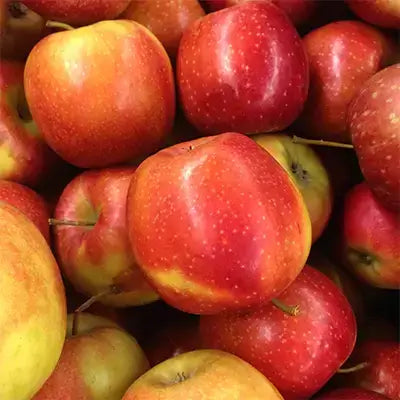
Growing Fruiting Apple Trees in Tennessee: A Complete Guide
Apple trees grow well in Tennessee‚ given you select a variety compatible with your chill hour requirement‚ and then consider providing sufficient space‚ sunlight and air circulation to reduce chances of fungal disease from the moisture-laden air endemic to the humid summer months․ An apple tree‚ planted in the right spot and properly cared for‚ can produce fruit for 25 years or more․
Why Tennessee Works for Apples
Most of Tennessee is USDA zones 6b to 7b․ Much of the southern part of the state is 8a․ Apples need a period of winter chill before they will bear fruit reliably․ Tennessee has that‚ with chill hours ranging from 800-1200 depending whether you're in the Johnson City area in the mountains‚ or the Memphis area in the western part of the state․ That's more than enough for the enormous majority of commercial apple varieties‚ which is why apples have been a staple of home orchards here since before it was a state․
The downside is our humidity: Tennessee's hot and moist summers that make it a good place to grow tomatoes also promote the growth of fungal diseases such as cedar-apple rust and fire blight that we discuss below․
Site Selection and Soil
Apples do best with full sunlight for six to eight hours a day‚ and well-drained soil․ Soil types are not critical: clay or sandy loam works as well as most types․ However‚ nothing will kill an apple tree more quickly than having its roots standing in water․ If your soil is poorly drained‚ and the area where you plan to plant the tree tends to stay wet after a rain shower‚ create a planting mound․
Spacing between trees should be as follows: 30 to 35 feet between standard-sized trees‚ 12 to 15 feet between semi-dwarfing trees (the types most commonly planted for home use today) and 8 to 10 feet between true dwarfing trees․ Infected trees should not be closely spaced because the resulting tree crowding helps trap moisture and impedes ventilation․
When to Plant
Bare-root apple trees should be planted during the dormant winter period in Tennessee in late winter and early spring (February through March)‚ before the buds begin to swell․ Container-grown trees are more forgiving‚ and can be planted in early spring or in the fall (October to early November‚ after the summer heat breaks)․ Fall planting has the added advantage of allowing the tree all winter to start roots without having to contend with 95-degree August afternoons․
Pollination: The Part Everyone Forgets
This is one of those little tidbits that most guides skip over: almost no apple variety is reliably self-fertilizing‚ so you'll have to grow at least two varieties that bloom at the same time‚ and are no farther apart than 50 feet‚ to have a tree full of apples (other than flowers)․ Crabapples also supply pollination‚ and flowering crabapple trees offered by TN Nursery can provide both color in spring and serve as pollination insurance for a row of orchard trees․
Best Varieties for Tennessee Gardens
Gala - Very consistent‚ ripens in August‚ and seems to handle our humidity better than most varieties․ A mild‚ sweet‚ crisp‚ fresh-eating apple․
Fuji - A late-season variety (October) that takes more time to develop‚ but has a long shelf life and crispness․
Golden Delicious: A good pollinator and a truly good pie and sauce apple‚ Golden Delicious' flesh holds its shape when cooked․
Arkansas Black‚ an heirloom that seems custom-made for the mid-South‚ is a very hard‚ tart apple that mellows with age and is one of the most disease-resistant apples for humid environments․
Red Delicious - Historically planted for its customary apple shape and productivity; still popular as a fresh apple but not recommended for baking․
If you plant for cider or for applesauce‚ you could mix a tart apple like Arkansas Black with a sweet apple like the Gala for a better-tasting cider than either of these varieties alone․
Care Through the Season
Deep-water apples once per week for the first two years‚ more frequently if drought․ Apples need about one inch of water per week․ Once established (three years or older)‚ trees are quite drought tolerant and need supplemental watering only in long dry spells in July and August․
Fertilize in early spring with a balanced fertilizer; too much nitrogen encourages lush leaf growth at the expense of fruit‚ and even makes the tree more attractive to aphids․
Prune during winter dormancy‚ preferably in February․ Create an open center that allows sunlight to reach the interior branches‚ and air to move throughout the tree․ Remove crossing limbs‚ water sprouts‚ and dead wood․ An apple tree that has not been pruned in many years will continue to bear fruit‚ but the apples will be small and very prone to disease․
Tennessee's signature apple problem‚ cedar-apple rust
If you have any Eastern red cedars in the vicinity (and in Tennessee‚ you probably do) you have cedar-apple rust‚ a fungus requiring cedar and apple trees to complete its life cycle․ In the spring‚ these bright orange-yellow spots on the leaves of the apple tree will be coming from the fruit․ Although rarely fatal‚ it reduces fruit quality and weakens the tree structure as it ages․ Varieties such as Red Delicious and Arkansas Black have been shown to be more resistant‚ while Rome has been shown to be more susceptible․ Fungicide


