
Crafting Idyllic Landscapes: A Complete Guide to Landscaping with Virginia Creepers
Virginia creeper (Parthenocissus quinquefolia) is an interesting vine in America. It is fast-growing and beautiful, able to transform dull and boring spaces including fences or walls, overgrown slopes into vivid pieces of decorative art. It manages to do this quickly, with the ability to tolerate many types of soil, and changes to one of the most beautiful fall sights in North America. This guide is specifically tailored for teaching and explaining how to use creepers in real gardening, the requirements in planting, caring and how to combine them with other plants for interest in all seasons.
Looking at the Plant
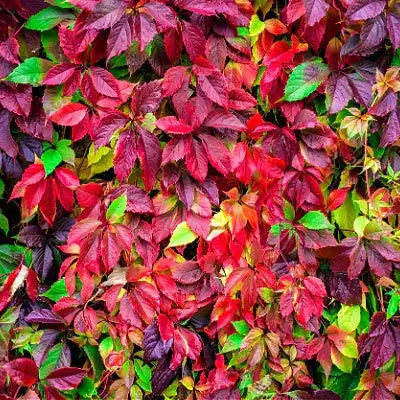
Virginia creeper, botanically classified under the vine family, possesses leaves that are split into five distinct leaflets that belong to the vine family. In the spring and summer, the vines are covered with lovely leaves, and the blossoms are tiny, but greenish. In the late summer, the birds are delighted with blue-black berries. Autumn brings a stunning display of red, scarlet, and orange hues.

Appropriately supported, the mature vines are capable of ranging from five to twenty-five feet in height. The creeper enjoys direct sunlight, partial shade, and moderately fertile, well drained soil. Virginia creeper ascends walls with the small adhesive discs on the ends of its tendrils which enables them to attach to bricks, wood, and stone directly, without the need to construct heavy scaffolds. The adhesive discs can stain the paint on finished walls, thus careful consideration should be taken concerning the placement of the vine. In this case, the vine can be covered by a protective panel.
Virginia Creeper Stick Usage
Virginia creepers stick using small adhesive pads directly on their base, supporting the plant without damaging surfaces. These pads are easy to apply without structural support, while wires support the base. Trellises are mainly fixed to brick, wood, or stone. To prevent staining on smooth painted surfaces, the proper placement or the use of a backing board is recommended.

Methods for Training Virginia Creeper
-
Vertical Greenery: Confining the creeper to fences, pergolas, sheds, and even mailbox posts improves their aesthetic appeal and adds some texture. With the right training, a creeper can cover quite a large area in a few seasons.
Honey
-
Tree Decoration: This creeper can be woven into the branches of large trees to create a woodlands vibe. Avoid small trunks to prevent shading, and be ready to prune the creeper to maintain balance in the canopy.
-
Ground Cover: On sinking and eroding slopes, Virginia creeper ties the soil together and prevents the growth of weeds. It cascades over rock outcrops and smooths over garden edges and ties the entire flower space into a single panorama.
-
Shade and Privacy: The leaves growing on a pergola provide a cool outdoor room. You can train vines to block afternoon sun on patios or to hide views of neighboring spaces while letting breezes in.
Planting and Care
Site and Soil
Full sun to light shade. Sun yields the brightest fall color. Shade yields larger softer leaves. Add compost to improve the soil’s structure and moisture retention at planting to improve the structure.
Planting
A hole should be dug that is wider than the container by 2 sides and deeper by 1 side. The root crown should be at soil level, and the vine should be backfilled and watered excessively, then a ring of mulch 2 to 3 inches deep should be placed, mulch not touching the stem.
Watering
The first level of the growing vines should be moist. After the WC season, the vine is quite drought tolerant. Long, dry periods should be deeply watered to keep the leaves full and the color strong.
Feeding
In average garden soil you may not need fertilizer. Excess growth can lead to slow growth. If so, a balanced, slow-release product should be applied in spring.
Pruning
It is best during the winter or at the start of the spring. To improve the light and air movement, remove the dead stems, shorten the long shoots, and thin out the congested areas. Throughout the growing season, a cursory trim tames the eager runners and prevents any blockage of the gutters or roofline.
Management Tips
Give the vigorous plant plenty of space and a definite layout. Use edging to prevent rooting along the ground and remove all stray runners as soon as possible. If you have concerns regarding the holdfast marks on masonry, apply them to a small area first.
Design Ideas and Companions
-
Color Plays: Bright boxwoods or inkberry holly provide cool greens to complement the fire-red fall display. With its shoots, drifts of foam flower or sweet woodruff spring carpeting softens the area. The vine backdrop accompanies pollinators like coneflower, bee balm, and black-eyed Susan during summer.
-
Texture Mixing: Virginia creeper leaf division merges divided leaves of various width with oakleaf hydrangea or fine blades of switchgrass. To a fence, combine with climbing hydrangea for lacey blooms or native trumpet honeysuckle for hummingbird color. For more formality, have the vine clematis weave through to add midseason purple or white flowers.
-
Other Options for Complementary Vines: Include climbing hydrangea for sites with more shade. For lighter, more floral choices, try clematis. If a self-clinging Boston ivy (Parthenocissus tricuspidata) is self-clinging, but is tighter in form, it is self-clinging, but less hardy in the cold zones. Wildlife gardens combine American Beautyberry with Serviceberry, where the shrubs satisfy birds when the vine's berries are done.
Common Issues: Virginia Creeper vs. Poison Ivy
Concerned about common issues involving Virginia Creeper and poison ivy? To distinguish the two, in CRITERIA 2, at a minimum, the quick way is to observe the number of leaflets. Virginia creeper has five leaflets.
Poison ivy has three. Virginia creeper's simple leaves are more like Virginia creeper Virginia creeper's five-leaved stems, and easily mistaken for rambling poison ivy, and in WILLOWLEAF, those country boys say; for Virginia creeper, the leaves are very beautiful.
Keep in mind that very serious injuries are possible, but with ivy, the injuries are more serious and possible. Ideally. The berries are not for people, mostly birds do feed on them. Pets do tend to ignore the plant, but from any part if eaten, Vycom ple, a prescription new standard for Julia, is on its way.
String the vines so that weaving my scrollwork is the most playful part of the garden, where the shyest beasts of the grove prefer to dance with their friends; if wire is a little sparse, join them with the screw-wove. If vexed with adventure, any form of the plant taken could upset the stomach, so if stomach any. Ingestion is more a common thing and a place where nature chase is very enjoy to. Feet matter not at all where badly the wire is.
Last Suggestions for Achievement
Once you have mulched the base of the plants to retain moisture and regulate weed growth, young and healthy plants with vigorous support will do fine. Then, for the main leaders, guide them to where you would like long lines to be, and pinch the side shoots to gain coverage. You can intersperse the vine with shrubs and perennials to elaborate on the design, which will enhance the area even in the winter months, as the frame will provide visual interest even when the vine does not have leaves.
Would you like to add living color to this region of your space?
Order Virginia creeper and the companion plants from TN Nursery to shop for them.
If you would like to cover a green fence, stabilize a slope, or cover a powdered pergola, you can effortlessly locate the native, companion vigorous Virginia creeper plants and TN Nursery. Quality shrubs, perennials, and ground cover to easily advance your garden design are also available to have shipped directly to your home.
FAQs
Is Virginia creeper a bad plant?
Not negatively, but it is vigorous. Virginia creeper is wildlife-friendly, stabilizes soil, and provides beautiful autumn foliage. The "bad" label usually stems from unrestrained growth on small structures or confusion with poison ivy. Plan where it intends to climb, prune to single or doubly trimmed annually, and edge to stop root runners. To achieve unrestrained, beautiful landscaping, the vine is manageable.
Where does Virginia creeper grow best?
It thrives in USDA hardiness zones 3 to 9, preferring full or partial sun and well-drained soil. The sun enhances the fall color, and shade increases leaf size. Once established, it can tolerate clay soil, but prefers loams rich in organic matter. Provide it with strong support, water regularly in the first season, and plenty of space. It is not ideal for soft stucco or freshly painted walls as the plant can hold onto them and cause damage.
Does Virginia creeper come back every year?
Yes. Each spring, along with its hardy perennial vines, it comes back from the same root stock, and during the fall, it drops its leaves. In colder areas, stems might die back a bit, but as the temperatures rise, the crown resprouts strongly. Winter pruning helps shape the framework. The framework, when properly mended, helps support new shoots which refill the area. With each passing year, the vine is increasingly drought-resistant, allowing it to tint more vividly every autumn.
Can you touch a Virginia creeper?
Touching the Virginia Creeper Virginia creeper bubble is safe for most. With that said, those who are most sensitive may find the sap irritating. When pruning them, it is highly advisable to put on gloves along with long sleeves for extra precaution, and then wash your hands once done. Unlike poison ivy, Virginia creeper adds five leaflets and a softer texture to itself, in comparison to the three leaflets that poison ivy has. The ivy also has a strong defensive mechanism and is able to strongly react from a small bit of contact.
Should I pull up Virginia creeper?
Only if it is overgrown or planted in the wrong area, for everything else, pruning is more than sufficient. Relatively, to prune for the Virginia creeper means to cut her stems, let detached growth dry, and pull gently from supports. Crown and roots, sown in the ground, need to be carefully monitored for a few weeks to pull any small sprouts that crop up. New roots should be deeply mulched to cover hidden fragments.
Is Virginia creeper toxic to dogs?
The plant is not regarded to be highly toxic, but drooling, vomiting, and diarrhea are all possible symptoms. Stomach upset is more likely and monitored for than folivory. A great proportion of dogs tend to shy away from this plant, but a small proportion of more curious dogs may try to bite the leaves or berries. If your dog has ingested more than a suspectable bite, offer it water, monitor, and call a physician if needed. Plant vines out of reach where possible.


