
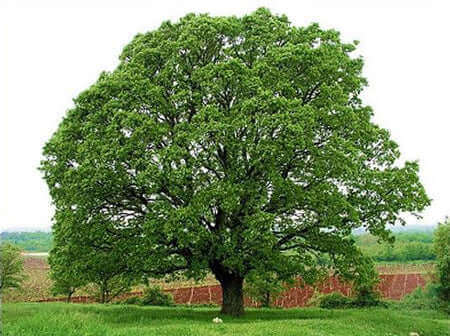
The oak trees grew to large proportions‚ with lifted branches reaching high into the sky․ Their age and majesty made them unbelievably heavy and powerful‚ and they seemed to share a tacit bond with the lands on which they grew․ The numerous and varied benefits that their enormous trunks and crown canopies provide for myriad living organisms are often overlooked․ In the wake of an increasing number of environmental threats to their populations‚ it is imperative to understand the effects that the towering giant oak trees can have on the environment in order to treat them as they deserve․
Oak Trees' Role In The Ecosystem
All oak species provide important ecosystem services‚ including the role of carbon sequestration‚ and shade‚ both of which help cool the climate and are thus important for addressing climate change as well as the urban heat island effect in metropolitan centers․ Oaks also tend to have a diverse understorey‚ as the oak foliage allows for a wide variety of plants to grow underneath them․ These are in turn interlinked to the oak‚ as many animals such as squirrels and deer eat the acorns as a form of food for sustenance․ The large diversity of life forms forms oaks' ecological importance and make for complex ecosystems where both plants and animals live in harmony․
Oak trees also provide habitat and food for many forms of wildlife․ Birds nest in oak trees‚ while insects‚ small mammals‚ and other animals often live in the bark or in the foliage․ Acorns provide food for many species of animals‚ including woodpeckers and jays․ Another reason for oak trees being ecologically important is the variety of living organisms that thrive upon oak trees‚ including fungi and microbes․ The interdependent relationship between these species and the oaks they inhabit highlights the need for future generations not only to understand these trees but also to preserve them․ The future survival of many of these species is directly related to the well-being of the oak‚ and the oaks will suffer without them․
Oak Trees Soil Quality
Soil quality is improved by the presence of oak trees: the roots‚ when common and deep-set‚ can help reduce soil compaction‚ aerate the soil‚ provide sufficient drainage and filter water‚ hence helping soil drainage and fertility․ Additionally‚ soil erosion is reduced by the roots and deposition of nutrients to other plants․ The decomposition of those oak leaves is how the new life forms․ The mycelium and roots of the oak trees are intertwined with the soil they are growing in․ We see this parallel relationship between above and below ground․ Trees give life to the soil‚ which‚ in turn‚ gives sustenance to plants․ An ecosystem with dense vegetation is well-supplied with fauna․
In addition to their ecology‚ oaks are culturally important as symbols of strength and endurance and are commonly used as landmarks and meeting places in many cultures․ They have been part of folklore‚ art and literature for many centuries․ They have been symbols of strength‚ wisdom and endurance․ They have shaded generations of picnickers‚ puzzled poets and witnessed innumerable family gatherings․ They have given rise to a host of customs and folklores throughout the ages․ These oaks are a symbol of the history of mankind‚ a witness of the stories pertaining to all people․ It seems that they have been part of the human race․
Oak Trees Aesthetic Value
Besides their economic value and contribution to the environment‚ they also have considerable aesthetic and recreational value․ Their height and shape lend structure and beauty to parks and gardens in cities and the countryside․ One reason that they are planted is for their aesthetic value; their foliage makes autumn color displays‚ and oak trees are natural climbing frames for children․ Humans relax under their shade․ They provide shade and shelter from the sun‚ which encourages people to spend more time outdoors and to become more connected to their local environment․ People refer to seeing a magnificent oak as an experience that gives them a sense of peace and calm․
Ancient and monumental oak trees are not just monarchs of the landscape․ They are giant living organisms and the guardians of ecosystems․ Their ecological importance‚ their contribution to biodiversity‚ their impact on soil health‚ their role in cultural history and their sheer beauty make them essential for our ecological system․ This is an attempt to save this tree for us‚ and for the multitudes of living things that share the earth with us․ We are the stewards of the Earth․ Understand the need for preserving this tree‚ and it may be preserved for future generations․ It is up to us to ensure that the legacy they built continues for generations to come․


