
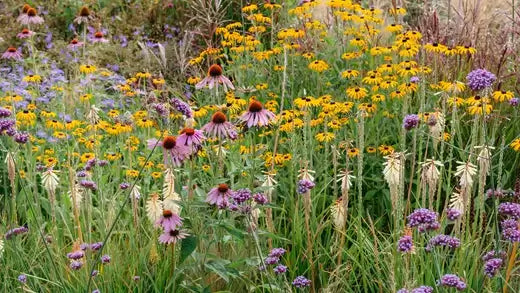
One of the best things about a beautiful flowering garden is that you can use plant perennials instead of annuals‚ and the former bloom and bloom for many seasons․ Perennials are the workhorses of the garden‚ coming back year after year for a splash of color‚ texture and beauty․ And there are so many plants to choose from․ If you're a budding gardener with five plants on a tiny apartment balcony or a professional horticulturist with an estate-size backyard‚ knowing about the types of perennials that are available‚ plus some care tips‚ can turn your basic garden into something really special․
A perennial plant is a plant that lives more than two years․ Perennials become bigger year after year․ Other characteristics of perennial plants‚ depending on the species‚ are height‚ shape‚ and color‚ including the leaves and flowers․ The massive blooms and fragrance of the peony grace the early summer garden‚ while the large daisy-like blooms of coneflower brighten the garden from summer into fall․ The versatility of perennials allows them to fit into any area of the garden‚ from the sunny border to the shady woodland․ You can choose perennial plants to grow in your garden to give a profusion of color and a natural environment for butterflies‚ bees and other wildlife․
Seasonal Care
Seasonal care for garden perennials is important to the health and flowering of the plants․ Seasonal plant care for perennial flowers is paramount‚ and the basic differences in perennial care requirements are important for a well-cared-for garden․ After pruning back last year's growth each spring‚ you will have plenty of room for the new growth and a clean start for the plants․ Adding a balanced slow-release fertilizer will promote more foliage and more flowers on your plants․ The other time to prepare perennials for winter is fall․ As soon as summer has transitioned into fall‚ mulch around the base of the plant to insulate the root system from winter frost․ Understanding what each plant needs each season is important to having a successful perennial garden․
Soil conditions may also affect the health of perennials you grow․ Most perennials will grow best in soil that is rich in nutrients and well-drained․ Adding compost or organic matter improves the drainage and nutrient quality of your garden soil․ It will improve the soil structure‚ making it easier for roots to grow and to absorb nutrients․ Some perennials are tolerant of a wide range of soil conditions‚ such as daylilies‚ while others are not‚ such as astilbes which prefer loamy‚ moist soil․ While many perennials prefer neutral or slightly acidic soils‚ knowing the pH of your soil can help you determine amendments to be added to the soil to give your perennials a good start․
Watering
Watering needs of perennial plants vary as much as their light and soil requirements․ Watering for drought tolerant plants‚ such as sedum‚ is different than non-drought tolerant plants‚ such as a weak-stemmed bleeding heart‚ that should be kept wet․ A good rule of thumb is to water thoroughly but not too often‚ allowing the top inch or two of soil in the container to dry out between waterings‚ which encourages deep roots; in warm weather‚ soil should be checked regularly to see whether it needs watering․ Smart watering‚ as well as consistency with the needs of each plant species‚ will provide the show․
Pests
Pests and the management of them is another key factor when caring for perennials‚ as not all perennials are susceptible to pests‚ with some perennial species being more resistant to pests than others; lavender is a perennial that is resistant to many insect pests․ Another option is integrated pest management‚ which uses natural deterrents as well as predatory insects․ Regularly monitoring your plants and removing insects before they can infest them is also an effective option․ Creating a balanced ecosystem in your garden will help you to create the ideal growing conditions for your perennials‚ as well as a happy environment for pollinators and other important insects․
In conclusion‚ perennials offer one of the best chances to create a beautiful‚ expressive landscape without having to repeat the toil every spring that comes with planting annuals․ A greater understanding of the types of perennial plants‚ their needs‚ soil‚ moisture‚ and pest resistance will lead to an enjoyable gardening adventure․ Some of the best perennials are the stately peony‚ hardy coneflower and fragrant lavender․ When placed in the flower bed‚ you know for certain that your perennial garden will stand the test of time without loss of beauty‚ and that it will add to the ever-so-pleasant accord that pervades nature‚ and your care of it will be crowned with blooms․


