
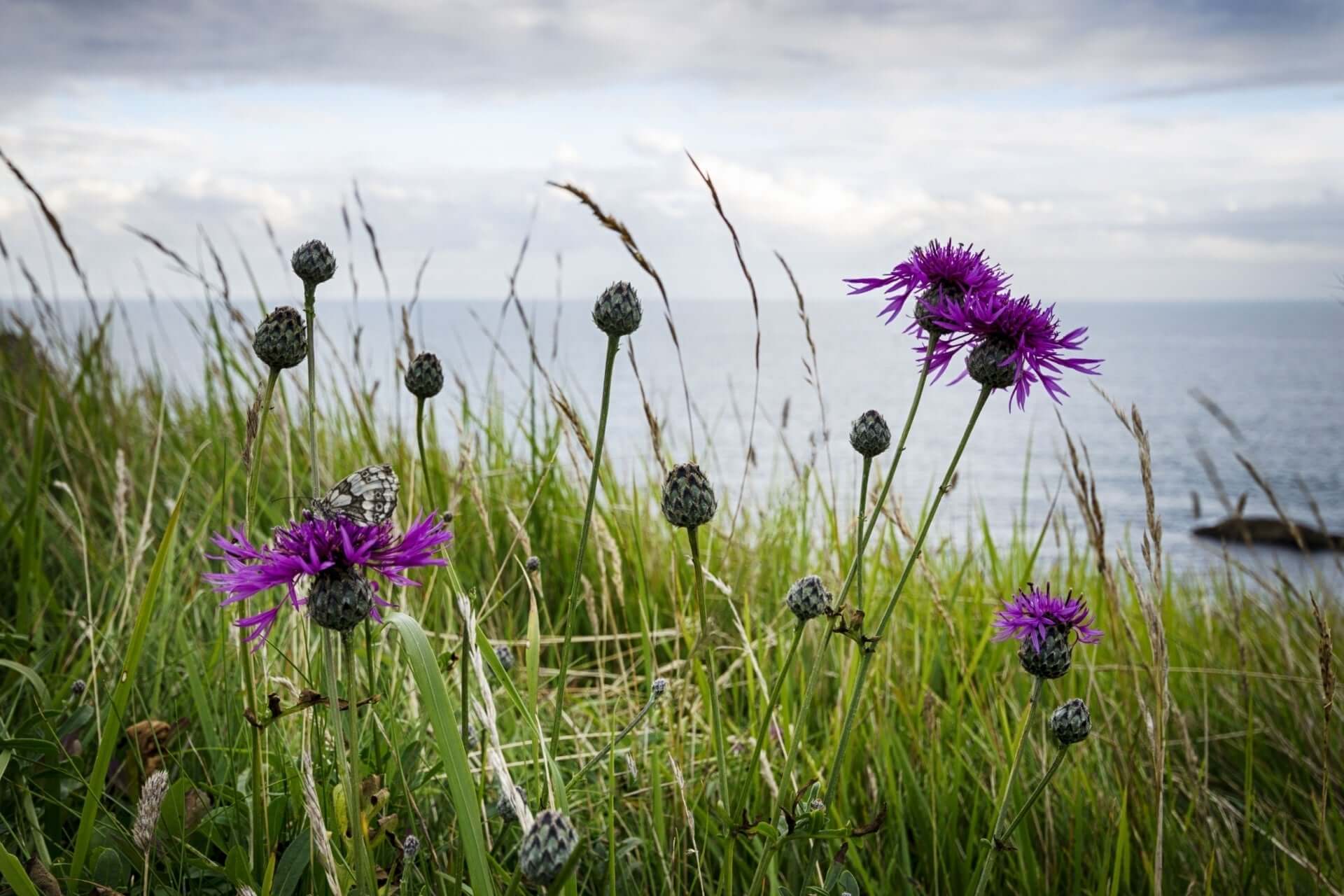
Coastal areas are lovely and get a lot of natural light and fresh air, but plants that are close to the ocean need extra care.A strong yard along the sea can handle severe winds, salt spray, and sand. You can make a place full of life, color, and strength if you have the appropriate plan. This guide tells you which plants to use, how to solve soil problems, and how to enjoy Coastal Gardens for a long time. You'll also learn how to employ plants that grow in your area and easy landscaping ideas that work well at the beach.
Why Coastal Gardens Are Unique
A lot of plants that thrive in the middle of the country can't live in gardens by the sea. When there is a lot of salt in the air and soil, roots that don't like it don't do well. Strong winds dry up plants quickly, and sandy earth doesn't hold water well.To stay healthy, coastal garden plants need to be chosen and placed in a certain way because of these concerns.
When done well, seaside gardens are good for the environment in many ways.They stop soft ground from washing away, allow butterflies and sparrows a place to rest, and help plants stay healthy by supporting natural processes. Adding tough plants like the Blanket Flower to your garden will give it bright color that can tolerate wind and salt.
A garden by the water also gives bugs and birds that like to live near the water a little but useful place to live. Plants for Coastal Gardens will safeguard the environment and give you a peaceful, natural outdoor atmosphere. This method of doing things helps plants develop continuously, even when the weather changes.
How to Design a Resilient Seaside Landscape
To make a great beach, you first need to understand the nearby natural features. Wind, sand and salt spray can make it dangerous for your garden to grow near the coast. A good structure helps roots stay healthy, protects soft plants, and creates Coastal Gardens that last for a long time.
Follow these steps
- Make a plan for your garden to find the spots where the wind blows the hardest. Set up areas where plants can stay safe. This helps place higher species, such as the Beech Tree, for improved seaside landscaping.
- To soften strong gusts of wind add natural windbreak layers. Start with tough plants and then add softer flowers behind them. This method helps plants in coastal areas and maintains a healthy structure.
- To help the soil drain better, make raised beds or mounded areas. The soil along the coast drains quickly, so this small step keeps the roots strong and stops water loss.
- Choose salt tolerant plants that can handle hard air, sandy soil and salt. Add more types slowly as you learn how each one changes.
- Create small areas of wetter earth where needed. These spots are good for plants that like a little more water and help your coastal garden plants plan flow smoothly.
- Add colored plants like Blanket Flower to see how much sunshine they need and how they grow early on. This easy step helps beginners feel more confident while also supporting a healthy yard environment.
landscaping
Best Plants for Coastal Gardens
These options can be used in yards of all kinds and help create clean, simple outdoor designs.
Blanket Flower
This Blanket flower brings warm color to any coastal area. Full sun keeps its flowers bright, and soft soil doesn't hurt its deep roots. After getting used to the long, warm seasons, the plant doesn't need much water. It's also good for bees and butterflies, so it fits right in with a healthy outdoor environment.
Seaside Golden Grass
This grass has soft, bendy blades that look beautiful when they move in the wind. It's a good way to keep sandy hills and open areas stable. Feels smooth and looks calm, and it stays strong during dry times. It grows roots that hold the soil in place over time. Small insects can hide in it, and it blends well with coastal garden plants.
Salt Spray Daisy
This plant grows well in rough spots and is known for its soft white flowers. It holds its color for a long time and does well with salt spray. The leaves stay thick and strong even when it's hot outside because they can hold water. So, it does best in sunny, open places with other salt tolerant plants.
Lily Turf
This plant grows in thick clumps that quickly fill in empty spaces. Along the coast, its smooth leaves and purple flower spikes give areas a simple shape. Lily Turf grows nicely along edges and paths, and it also grows well when the water level is low. Because it grows slowly and stays put, it goes well with many plants that grow near the coast.
Sea Lavender
The flowers on this plant are soft purple clouds that last all summer. It gives insects a place to live and is strong against wind. Even after the flowers are gone, the textured leaves are still pretty. Sea lavender looks great in natural forms that seem to belong by the water, and it stays interesting all year long.
Sustainable Practices for Coastal Landscaping
Healthy coastal plants need regular care and simple, eco-friendly practices. Natural materials used to improve the ground help roots hold water because loose soil drains quickly. Over time, the compost, dried leaves and small bits of wood build up the soil.
To help water get to the roots, water slowly and deeply. Rainwater barrels also work well near the ocean, where fresh water may not be easy to come by. Chemical fertilizers work against sea life and wash away quickly in sandy places, so stay away from them.
Some quick tips
- To improve the soil and keep young roots safe, add organic materials.
- Pick mulch to keep water in and lower heat stress.
- To get more out of it, drink water first thing in the morning.
- Natural pesticides should be used to help wildlife along the coast.
- Slowly put in hardy plants to see how they do in the Coastal Gardens.
Step-by-Step Guide to Establishing Your Coastal Garden
Step 1 Select the Right Location
Choose places that get sun and don't flood. Figure out the direction of the wind to help you decide where to put plants that will protect them. This is also good for the health of seaside gardening in the long run.
Step 2 Prepare the Soil
To make loose soil more stable, mix manure and other organic matter into it. Every season, keep improving the soil so the roots can grow bigger. You could also put the Blanket Flower in early spots to test them.
Step 3 Add Windbreak Plants.
To lessen the wind's effect, start with hardy plants or a Beech Tree. Put softer flowers in the middle as the wall gets stronger. Over time, this building will provide a safe base for a plant environment.
FAQ
Windbreak Plants
Perennials
What are the best plants for coastal areas?
American Beech Tree
Some plants that do well near the sea are Blanket Flower, Sea Lavender, and Lily Turf. These plants are hardy and salt.
How do I protect plants from salt spray?
Place plants to block wind and use strong trees to block straight salt.
Why do some plants struggle near the sea?
Wind, salt and sand in the soil make roots weaker and less able to hold water.
What is the most salt tolerant plant?
Many coastal-strength plants and flowers can handle being near salt water.
Which type of plants grow in coastal areas?
Plants that have deep roots, dense leave and a high tolerance for drought do best near the water.


