
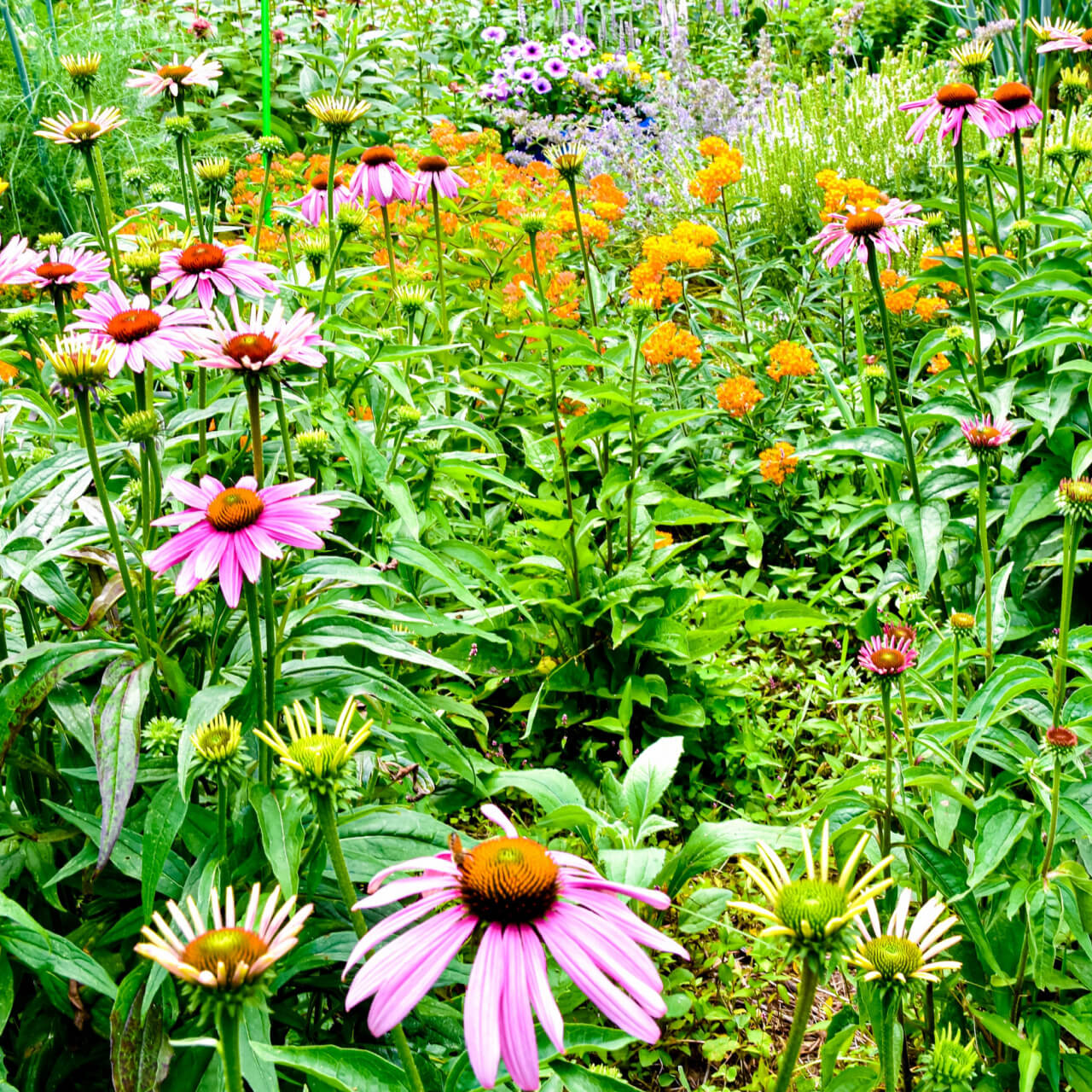
Learn the secrets of bringing color, seasonal interest, and easy maintenance to any garden by means of spring-blooming perennials. These trustworthy plants bear fruit every year, and they offer beautiful displays to the gardeners. We know that at TN Nursery, it is necessary to choose the most suitable perennial plants according to your sunlight, soil type, and the type of the garden.
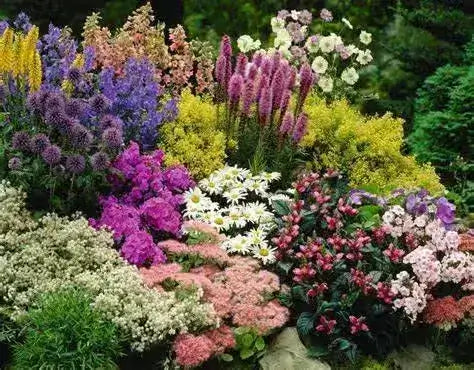
The spring-blooming perennials are of great use to the gardeners who desire to have a lasting beauty without having to replace them time and again. Perennials also have thick root systems that become stronger as they grow, unlike the annuals. The tips are super easy, and the suggestions are reliable, with Solomon's Seal, Blooming Plant Box, Spiraea Japonica, Wood Poppy, and Tiger Lily as some of the tips and advice provided in this guide.
Why Are Spring-Blooming Perennials Essential for Colorful Gardens?
Spring-blooming perennials are a dependable source of color when the landscapes are emerging out of winter. These plants have several benefits for both the beginner and the expert gardener.
Among the best advantages of perennial plants is cost-effectiveness. Although the initial investment can be higher than annuals, the perennials will grow over the years to fill the beds of the gardens without having to replenish them. Most of them can be split and distributed, and their worth enhances.
The reliability of seasons provides predictable color in the spring. This is illustrated by the Solomon Seal, which gives rise to beautiful arching stems with the snowy white bell-shaped flowers that beautify shady gardens consistently every spring.
Aesthetics are not just the benefits of ecology. Spring-blooming perennials offer much-needed nectar to the new pollinators when there are not many other food sources. They develop extensive root systems and stop erosion as well as help sustain healthy soil organisms and microbial diversity.
Perennials have low maintenance needs; hence, they are good for busy gardeners. The Spiraea Japonica is a plant that requires some occasional pruning and simple watering and provides months of coloration.
Planting early spring-blooming perennials with later varieties will result in the succession of blooming that prolongs the color in growing seasons.
Choosing the Right Perennials for Your Garden
Beauty
The choice of the right perennial plants should be based on the conditions of your garden. Planting the right species in the right location guarantees healthy growth and high production of flowers.
Assessment of sunlight is essential. The Wood Poppy is one of the best perennial plants for shade, and it is able to provide flowers that are yellow in color in the woodland. Solomon Seal is another masterpiece in shade and thus will be an ideal choice in foundation planting.
Conditions of the soil are a major determining factor of success. The majority of perennials like soils with high organic matter and good drainage. Add compost to the heavy clay soils to enhance their structure and drainage.
Hardiness zone compatibility makes plants live through your winters. Tiger Lily is a robust plant that grows in the zone between 3 and 9, and that is why it can be used in different climatic zones and give beautiful spotted orange flowers.
Maintenance factors assist in aligning plants with your free time. Low-maintenance flowering perennials, such as Spiraea, require minimal care. To make it easy, there is the Blooming Plant Box that consists of well-chosen perennials that grow fast.

Plant perennials that bloom from spring to fall to introduce variety to the garden through early, mid, and late-blooming perennials.
Planting and Care Tips for Spring Perennials
It will be like planting spring-blooming perennials properly and reaping many years of beautiful bloom.
Initial Site Preparation
Eradicate the pre-existing weeds since the perennials will take years to fill the spaces. Dig out or till planting areas to 12-15 inches, including 2-4 inches of compost. This provides optimal root formation and soil-forming microorganisms.
Correct spacing enables free flow of air, which decreases the pressure of disease and space to enable plants to grow.
Planting Techniques
Plant early spring-blooming perennials in autumn, when the root can be developed before winter. Container-grown specimens from TN Nursery are suitable for spring planting.
Planting steps:
-
Digging: Dig holes just bigger than root balls.
-
Position properly: Soil level: Place crowns.
-
Backfilling: Lay amended soil with care.
-
Wet thoroughly: Settle soil and make good root contact.
-
Mulch correctly: Use 2-3 inches of organic mulch 3 inches away from crowns.
Ongoing Maintenance
Keep the first season of growth moist. Once settled, most of the low-maintenance flowering perennials can withstand dry seasons, but the flowering is enhanced by added water during the drought.
Use equal-rate fertilizer at the beginning of spring. Excessive foliage that favors flowers should be avoided by excessive fertilizing.
Eliminate dead flowers to promote more flowers and sustainable beauties.
Low-Maintenance Perennials for Busy Gardeners
Low-maintenance flowering perennials are great for busy gardeners who want to beautify their gardens with little effort.
The Spiraea Japonica is an example of low maintenance. This shrub is small and yields large amounts of pink flowers during late spring, and it rarely needs pruning and is resistant to most pests and infections.
Another good option that can be considered among the best perennial plants that grow in the shade is Solomon Seal. It is an indigenous woodland plant that practically needs no maintenance once it grows and that also spreads slowly to create exquisite colonies.
Low-maintenance perennial characteristics:
-
Drought resistance: Does not wither in dry seasons when not watered.
-
Disease resistance: Resists common plant diseases in nature.
-
Pest resistance: Infrequently bothered by insects.
-
Sufficient to itself: Does not need any staking or frequent division.
-
Long-lasting: Lingers over a long period.
The Tiger Lily is full of dramatic beauty and little care. These are perennial plants that are bold and naturalize easily through bulb offsets.
The Blooming Plant Box offers ready-made selections of low-maintenance flowering perennials, which have been selected due to their easy-to-care properties and complimentary bloom periods.
Step-by-Step Guide to Planting Perennials
These are the steps to be taken to guarantee a healthy planting of your early spring-blooming perennials.
Pre-Planting Preparation
-
Choose the right location: Align the plant requirements with the site conditions.
-
Test soil: Find out pH and nutrient levels.
-
Space of planting: Clean weeds and debris out of it.
-
Enhance soil: Add compost extensively.
Planting Day Process
-
Arrange plants: Containers are placed before the digging.
-
Dig appropriate holes: Culminate root balls but at the same depth.
-
Ready roots: Loosen loosely rooted plants.
-
Plant properly: Have crowns at the same level as surrounding soil.
-
Backfill: Amended soil should be used, pressing lightly.
-
Water a lot: Soak deeply to settle soil.
-
Use Mulch: Spread 2-3 inches of mulch away from the crowns.
Check the moisture level after 4-6 weeks when roots have formed. When the first inch of soil becomes dry.
Conclusion
Planting and choosing spring-blooming perennials will give the garden a color and texture that is dependable every year. These are the diverse perennial plants that have unparalleled value in terms of length of life, minimal maintenance, and environmental friendliness. It is either planting early spring-blooming perennials to provide instantaneous color, or it is planting to achieve a mixture of perennials that bloom from spring to fall; as long as one selects properly, she will be successful.
TN Nursery offers superior specifications such as Solomon's Seal, Blooming plant box, Spiraea Japonica, wood poppy, and Tiger Lily, which are all fantastic selections as beautiful and low-maintenance flowering perennial plants.
FAQs
What is the most colorful perennial?
Tiger Lily gives out bright shows, having stunning spotted orange flowers. Spiraea Japonica that has pink flowers, and Wood Poppy that has a merry yellow flower, are the other colorful choices.
Which perennials provide the longest bloom time in spring?
Spiraea Japonica has a prolonged spring-to-summer flower. To succeed in blooming, mix early bloomers such as Solomon Seal with later ones. The Blooming Plant Box has options of continuous color.
Can spring perennials thrive in shade or partial sun?
Plant Box
Yes, many excel in shade. There are also Solomon's Seal and Wood Poppy, which are considered to be the most suitable shade-loving plants, which love to live in the woodland, in which case it does not need to be a light-loving plant.
Can TN Nursery ship perennials safely across states?
Yes, TN Nursery delivers perennials to the rest of the country that are well packaged to ensure moisture and safety of the root systems. Plants come with clear instructions on how to take care of them.
How do I mix perennials for continuous garden color?
Plant early spring perennials along with mid- and late-season perennials. Plant perennials that have a spring-to-fall bloom by selecting plants that have a delayed fall bloom. Use different heights, textures, and colors.
What flowers bloom in the spring season?
There are a variety of perennials that flower in spring, such as Solomon Seal, Wood poppy, tulips, daffodils, and Spiraea. These early-blooming perennials are necessary to give the gardens the early color they need when they come out of winter.
Which flower is also famous as a spring flower?
Solomon's seal is especially known as a famous spring woodland flower, which has graceful arching stems and fragile white flowers. A summer flower, Tiger Lily is nonetheless identified with spring planting.


