Starting a Gardening Business at Your Home: A Comprehensive Guide
Beginning a gardening business out of your house can bring you both benefits and make you money. If you want to make money on the side of your current job, or switch your job to something else, gardening has low start-up costs and is very flexible. Gardening has the potential to earn you a good income, and with proper planning, you will earn not only money, but have a lot of joy from the work you do. So let's get started.
Why a Gardening Business?
Lessening the financial risks with low investment gardening businesses can be a great way to start a business. Growing your own herbs, fruits, and vegetables is one of the oldest ways to make money, and it is growing in popularity again among full-time gardeners and people just looking to make a little extra money. Understanding the market is key to keeping ongoing costs low.
The first thing to consider when starting a gardening business is deciding what to grow. Since you are able to create a gardening business on your own property, it will cost you little to no money to start. You will be able to grow the plants in your backyard. Gardening will allow you to analyze the local economy to see if it needs any specific plants. After you see what it needs, you will be able to grow high-demand, high-yield plants to help you be successful.
Steps To Starting Your Gardening Business.
Choose the Right Plants
Choosing the right plants to grow is the first key to starting a successful gardening business. You should pay attention to the type of plants to grow because some are in high demand while some are in low demand. If you grow plants in high demand, you will most likely do great at local farmer’s markets. Some plants, like heirloom tomatoes, are in great demand because they are easy to grow and fetch a high price. However, crops like potatoes are in low demand because they take a great deal of time to grow and require large areas.
Acknowledge the Organic Trend
The interest for organic gardening has exponentially increased. Because customers tend to pay a premium for organic produce, the profit potential is mine for the taking. Yes, it is hard work, like using organic compost versus chemically synthesized fertilizers and no synthetic pesticides. Yes, it is hard work and completely doable. Even the smallest plot of land has the potential to grow organic vegetables of great worth.
Budget and Invest
Think before you invest. You need to see the profits before you invest more. It is also wise to get the smallest piece of land needed. You can easily scale it to more work later on. A few of the expenses to keep in mind are: soil, seeds, water and other gardening tools, and additional land, tools, or equipment may need to be purchased for larger projects. Before you get started, take the time to determine if it is truly a hobby you can turn into a profitable business.
Assess the Market
You may have land for your business, letting you try out various crops and discovering what your area sells best. Target plants with high market demand and adjust your focus.
Marketing and Selling
Your gardening business needs marketing and selling. Make a booth and sell gardening supplies, products, and flowers at a farmer’s market. Offer your products to restaurants. Social media is an advertising powerhouse. TN Nursery is a gardening supplies vendor to help keep your business running.
Types of Plants to Grow
Choosing the right plants is a must and should be based on what is hardy and what makes a profit. The following is a short list of plants suitable for a very small scale, small home gardening business.
Berry Plants
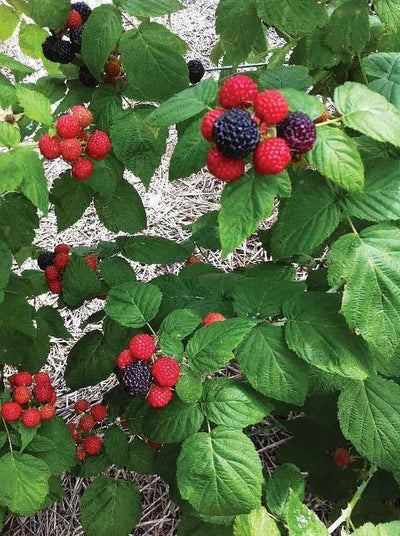
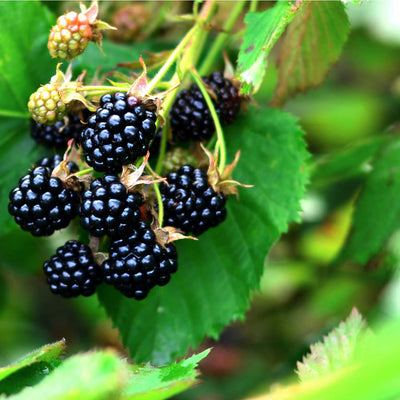
Planting berry shrubs is a wonderful business idea. People love to eat blueberries, black raspberries, and dewberries and buy them because they are good for your health. Planting and selling wild strawberries and blackberries is good too. These delicious berry plants are containerizable and do great in small places.
Herbs
Basil and mint are in demand, and you can sell them for high prices to restaurants. Selling thyme and rosemary is good too, but they take longer to grow. These herbs are fast to grow and can be harvested many times in a season.
Tomatoes
Another good option for a home gardening business is heirloom tomatoes. They do not take up a lot of space alone and can sell for a lot of money, especially if they are sold as an organic vegetable.
Lettuces and Greens
Fast growing and high demand crops are lettuce, spinach, and kale. Because they can be grown in small containers or garden beds, they are ideally for areas with a small growing space.
Conclusions
One of the most interesting home activities is starting a home gardening business which is also profitable and can be made sustainable. If you get to understand the market of home gardening and the plants which are in demand such as veggies and other organics, you can be successful and grow the business.
Testing the market, starting with small projects, and scaling the small projects as you gain expertise is the way to go in such a business.
Also, to buy the plants and other home gardening supplies, TN Nursery is a great online shop to finish starting the business.
FAQs
How profitable is a gardening business?
A gardening business can be very profitable, especially if the focus is on high demand organic vegetables, berries, and herbs. For organic produce, the profit margins are higher and the costs are low, especially if there is land access already. However, profitability is also based on different variables such as costs, crop selection, and market demand.
Do you need a license to do gardening?
In most of the country, there is no need for a special license to start a gardening business. However, local business licenses or vendor permits may be required if produce is going to be sold at farmer's markets or to restaurants. For more information, local government or agricultural departments can be consulted.
What is the 3-year rule in gardening?
In the gardening world, there is something known as the 3-year rule. It is about how it takes a minimum of 3 years to understand how to build a successful garden. Building a successful garden is not as simple as planting something in the garden, but it takes soil testing, choosing the right plants, and learning how to take care of the plants. You also need to be patient and remember that it is a process to build a successful garden, and it won’t happen overnight.
What is the 3-hour gardening rule?
The 3-hour gardening rule is that a person should spend at least 3 hours a week working in the garden, and that is to ensure that the garden is successful. It can be obvious and is super important to be consistent so that the garden can be healthy. The 3 hours can be used for weeding, planting, the maintenance of the plants, and even harvesting.
What is the most common mistake of first-time gardeners?
For first time gardeners, the most common mistake (as garden experts say) is overwatering their plants. Many newcomers think plants need a lot of water, but excessive watering can actually cause issues like root rot. It's key for beginners to know that every plant has its own specific water needs and excessive watering of their plant can be counterproductive.