
Types of Soil Analysis
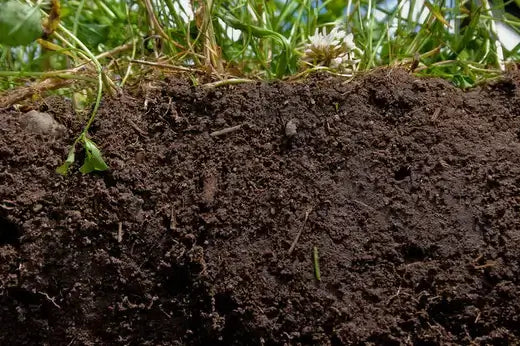
Soil is not merely dirt‚ but rather a complex and diverse world of bacteria‚ insects‚ plants‚ and other living organisms․ It is a collection of different layers that make life on Earth possible‚ containing important nutrients and minerals for plant growth and forming the backbone for the larger FOOD WEB that supports all life․ Soil is the basis of most agriculture and horticulture and is an important resource that has physical and chemical properties that need to be understood for multiple applications․ We will look at soil science‚ soil degradation‚ the plant-soil relationship‚ soil organisms‚ and the physical and chemical properties of soil․ By understanding these things‚ we can become good stewards of the land and ensure that the soil remains healthy for generations to come․
Soil analysis is the assessment of the condition and fertility of soil․ There are a number of ways to analyze its qualities‚ including physical‚ chemical and biological methods of analysis․ Physical analysis might consider factors such as the texture‚ porosity‚ and moisture retention of the soil․ These influence the permeability of the soil to water and air‚ and the growth of roots․ Soil testing can also be used to determine the pH and nutrients in the soil to determine the fertility of the soil in terms of macronutrients like nitrogen (N)‚ phosphorous (P) and potassium (K) which are essential for plant growth․ Soil analysis can also be used to study the microorganisms which live in the soil and how they function․ Soil testing can help farmers‚ and those interested in land use and conservation‚ know more about the sustainability and productivity of soils․
Soil Erosion Effects
Soil erosion is one of the most serious threats to the natural environment and agriculture worldwide․ Soil erosion is defined as the loss of the soil's uppermost layer as a result of water or wind‚ or it can be human-induced․ Soil erosion leads to a loss of soil fertility‚ a loss of nutrients‚ and ultimately a less productive land because the soil loses its ability to hold water․ As a result‚ many of the farms are now reliant on chemical fertilizers․ Besides the loss of soil‚ the sediments carried into streams and rivers can cause pollution for fish and other animals․ Understanding the processes of erosion allows soil resources to be preserved by adopting conservation measures‚ like contour farming and reforestation‚ which can reduce erosion․
Soils and plants are inextricably linked‚ healthy soils provide the nutrients‚ water and anchorage which plants need to grow and thrive․ Soil is not only a substrate‚ but a living system of microorganisms that decompose organic matter into nutrients․ Soil is a reservoir of essential elements for plants․ These nutrients can then be absorbed by the roots and used during a plant's growth․ Furthermore‚ the roots of plants can improve soil conditions by aerating the soil and supporting a variety of microorganisms․ This feedback cycle forms the foundation of many ecosystems‚ as healthy soil supports adequate plant growth‚ progressing to higher life forms such as insects‚ animals and people․ Understanding this process may assist in the maintenance of soil health for human agricultural and biodiversity purposes․
One of the most under-appreciated features of all soils is the incredible biodiversity present within them․ For example‚ a thumb smear of soil contains an entire community of bacteria‚ fungi and other microorganisms which can drive the cycling of nutrients and the breakdown of organic matter․ These organisms decompose organic materials‚ returning nutrients to the soil for plants to absorb‚ and form symbiotic relationships with plant roots․ For example‚ mycorrhizal fungi help plants absorb nutrients and water through the plant roots․ This biodiversity makes the soil more resilient‚ protecting it from erosion and climate change․ Soil biodiversity is also extremely important in agriculture‚ and therefore the promotion of sustainable agriculture and increased soil biodiversity is important for maintaining environmental health into the long-term future for a collection of reasons․
Soil Structure and Health
Soils are living systems‚ and healthy soil is never compacted‚ but is crumbly and has space surrounded by soil particles that allow air and water to infiltrate and roots to grow more easily․ The structure of healthy soil is what creates the environment for a wide variety of microorganisms to flourish․ Factors affecting soil quality include the organic matter content‚ compaction and soil moisture․ Crop rotation and cover cropping can improve soil structure and build up organic matter‚ which reduces erosion and degradation of soil quality․ Monocropping‚ or excessive use of chemical fertilizers‚ can have this opposite effect‚ however‚ resulting in less soil aeration‚ compaction‚ and reductions in available soil nutrients․ With knowledge of and care for soil health‚ this critical resource can be preserved․
In conclusion‚ soil is not just dirt․ It is a complex ecosystem that is the foundation of human civilization and agriculture‚ a critical part of natural ecosystems‚ and a fundamental component of most aspects of the life on the planet․ To understand soils by studying them‚ to prevent soils from being eroded‚ to build up soil microorganisms‚ to maintain soil structure and maximum health‚ sustainable soil management is necessary to sustain not just this planet but all future generations to come․ Taking the time to appreciate what soil is beneath our feet will help us learn how to protect and preserve it․ More generally‚ how we treat the soil may determine the future of the human race․


