
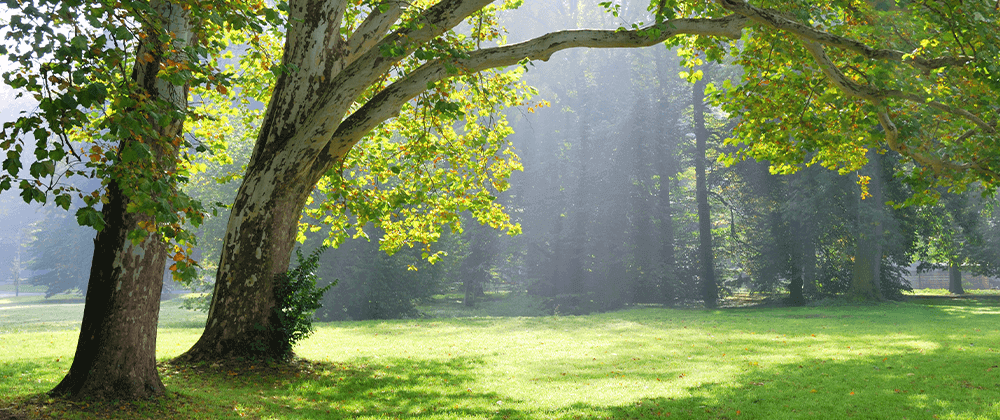
Shade Tree Uses and Importance in Landscaping
A mature shade tree can lower the temperature under its canopy by 10 to 20 degrees when compared with the temperature in open sun․ A shade tree planted on the western or southwestern side of a house can save homeowners up to 25 percent in air conditioning costs according to decades of research on urban tree canopy by the USDA Forest Service․ Shade trees are almost always a good addition to your landscape plans‚ but in the end what to plant is often almost as important as where to plant it․
Shade trees also filter light from the sun․
When people plant shade trees‚ they look for comfort from the heat‚ but the value comes later․
These trees save on energy costs‚ too․ A properly placed shade tree blocks the sun's rays from hitting your roof and windows in the afternoon heat․ In Tennessee‚ the humidity and summer temperatures often get into the 90s․ The more shade trees you have‚ the less time your air conditioning system runs․ TVA reports that shaded trees‚ when placed in the right location‚ can help reduce the need for cooling homes during July and August‚ when your utility bill is highest․
They raise property value in a measurable way․ Appraisers and real estate studies regularly find that mature trees raise a home's resale value by 3-15%․ An open yard looks unfinished‚ while a well-formed canopy tree makes it look like someone has cared for the property for years‚ even if the house is new․
They're the block-and-tackle of the food chain the average homeowner never thinks about․ Oak trees‚ for example‚ are host to 500-plus caterpillar species in North America‚ which in turn feed songbirds‚ especially in spring․ One oak supports more birds than a dozen bird feeders‚ and maples‚ hickories‚ and sweetgums support similar numbers at a smaller landscape scale․
They also serve as windbreaks and shade trees to control erosion․ In the spring when storms can be windy‚ a line of shade trees on a property line can buffer wind speed at ground level from damaging sensitive plants and washing away topsoil on sloped land․
They buy you privacy without a fence․ A single shade tree‚ or even a loose cluster‚ can do a far more natural job of screening a second-story neighbor or camouflaging a street than a wall of shrubs․
What Tennessee's Climate Means for Your Tree Choice
Most of Tennessee is in USDA Hardiness Zones 6b to 7b‚ with small areas of the higher elevations of East Tennessee in zone 6a․ Within this wide bench of climate and soil conditions‚ consideration must be given not just to cold hardiness‚ but also to summer heat tolerance and clay soil drainage․
Because of the heavy clay soils of most of Middle and West Tennessee that hold so much rain‚ trees that sulk in wet feet (such as most maples planted in a low-lying area) will show leaf scorch and dieback often in two or three years․ The rockier and better-drained soils of the East Tennessee foothills are more versatile‚ with wind exposure an issue on the ridgelines․
Species That Actually Perform Here
Red Maple is probably the best all purpose shade tree for Tennessee yards‚ tolerating clay soil and the seasonally wet spots better than sugar maple and growing moderately to fast (about 2 ft․ per yr)․ once established) and has good fall color (actual red-orange and not just oranges and yellows)․ The mature canopy grows to 40 to 60 feet (12 to 18 m) in height during the following 15 to 20 years․
Willow Oak should be planted extensively in the South because it grows faster than other oaks (sometimes establishing large shade areas in 15 years)‚ provides the wildlife benefits of the oak family‚ and has a smaller amount of leaf litter (and raking) in the fall due to its small leaves․
Tennessee's state tree is the Tulip Poplar‚ one of the fastest growing native deciduous shade trees; it grows over 3 ft (․91 m) a year as a young tree‚ and grows to over 90 ft (27 m) tall as a mature tree․ As it needs room‚ it is inappropriate for small suburban lots․
River Birch will handle Tennessee's low places better than almost any other shade tree on our list‚ so it is a good choice if you have a drainage swale or other low place that will stay soggy for a while after a rain․ Mulch that has peeled off against the cinnamon-colored bark looks good in winter․
It is tall and vigorous (up to 100 feet) and tolerates poor soil‚ and is more appropriate for large yards or creek banks than for small suburban lots․
TN Nursery has several of these as balled-and-burlapped or containerized stock sized for instant impact․ If you don't want to wait a decade before these trees provide shade‚ starting with a larger caliper tree can shave years off that time․
Practical advice on planting and care
In Tennessee‚ the best planting time for shade trees is fall or early spring‚ when cool weather and adequate rainfall promote root growth before the hot summer weather and dry conditions․ Plant shade trees two to three times as wide as their root ball and no deeper than their root ball; the most common reason new shade trees die within two years is improper planting depth․
Water deeply once or twice a week for the first full growing season‚ more during dry spells‚ less during wet seasons․ Fertilizer is not applied heavily at planting‚ because a stressed root system does not require fertilizer․ The soils in most of Tennessee can produce crops for several years without fertilizer․
Consider spread‚ as well․ A 6-foot-tall red maple in a nursery pot may grow to a 40-foot-wide (12-metre) tree‚ which may be important if you are locating the tree near your driveway‚ foundation or septic line․ Check for overhead utility lines; one of the most common landscaping mistakes is planting a fast-growing shade tree under a power line‚ where a topping cut a decade later will ruin the shape of the tree․
The Bottom Line
Shade trees aren't just decoration‚ they're infrastructure: they work on your energy bill‚ your soil‚ your local bird population‚ and the resale value of your house all at once․ Find something that grows well in Tennessee's clay soil and muggy summers‚ water it for a few seasons while it establishes itself‚ and that's really the whole formula․ Once that canopy fills in‚ the payoff goes on for decades․'


