
The Science Behind Successful Gardening Techniques
To many people‚ gardening is considered a simple hobby: a relaxing outlet for people who like to dig in and watch plants grow from a seed into a flower or vegetable․ But the science of horticulture runs deep‚ and it influences the life cycle and health of the plants in the garden․ The relationships between these various biological and ecological elements‚ together with the chemistry of the soil‚ and the biology of plant growth‚ make it clear that gardening is not just a horticultural art but a horticultural science‚ and that an understanding of these scientific principles will help gardeners to grow more and better․
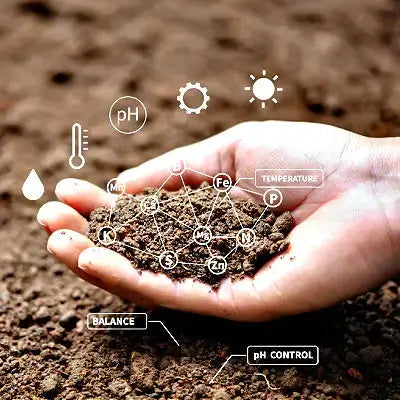
At the heart of any great garden is the soil․ Garden soil is more than just dirt․ It is a living thing that consists not only of minerals‚ but of organic matter‚ moisture‚ and air․ Those four elements feed and nourish plants․ The proportions of these elements vary widely‚ affecting the pH balance‚ drainage‚ and available nutrients․ For example‚ sandy soils have good drainage‚ but little capacity to hold nutrients‚ whereas clay soils hold more water‚ though they can compact and impede plant root growth․ Good gardening practice recommends checking the pH and soil texture of the garden‚ amending the soil with compost or mulch as necessary‚ regularly improving the soil structure and soil fertility‚ and having a basic understanding of the soil enabling informed choices about soil amendments‚ fertilizers‚ and plants to suit the conditions present in the soil of the garden․
Nutrients for Soil Health
In addition to knowing the soil‚ the gardener must know what the plants need․ Plants need nutrients (elements such as nitrogen‚ phosphorus and potassium) that perform certain functions when present in sufficient quantities․ Nitrogen is helpful for leaf growth‚ phosphorus promotes root growth and flowering‚ potassium aids in plant growth and disease resistance‚ and fertilizers should not be the only option available․ Some gardeners prefer to apply natural fertilizer amendments like bone meal or fish emulsion․ These not only fertilize the plants‚ but also increase the helpful flora and fauna in the soil․ A soil test and careful observation of plant growth can help the gardener apply the right level of fertilizer for plants that require different nutrient levels‚ to the plants' benefit․
Another area of research in horticultural science is companion planting․ Companion planting is the practice of grouping together certain plants because they are believed to benefit each other‚ usually through the suppression of each other's pests or the promotion of each other's growth or flavor․ Marigolds repel nematodes and aphids‚ and are a suitable companion plant for the majority of crops grown in a vegetable garden․ Basil is usually planted by tomato plants to improve the flavor of the tomato‚ and repel insects․ These are examples of companion planting․ Companion plants help their neighbors in many ways‚ including combining to attract helpful insects․ These relationships between plants create more biodiverse ecosystems that are more resistant to pest and disease threats․ A gardener who understands and observes the relationships of different plants can create a more productive garden․
To have basic knowledge of the physiology of photosynthesis is of paramount importance to the man who means to succeed as a gardener․ Photosynthesis is the process by which green plants take light energy and manufacture food material from carbon dioxide and water․ The role of photosynthesis is to provide energy for plants and to generate oxygen‚ the fundamental ingredients on which all other life is based․ For gardeners‚ the key is providing sufficient sunlight and spacing to allow plants to best grow․ The importance of foliage for plant care in gardening includes a better understanding of plants' light requirements - some plants do best in full sunlight and others in partial shade‚ and encouraging photosynthesis allows for caring for the planting and increasing fruit and flower production․
Why Pruning is Important
Another scientific gardening technique that helps ensure that plants remain healthy in a garden is pruning‚ which involves cutting back or removing branches‚ leaves or stems of plants to improve air circulation‚ promote evenly-distributed new growth and maximize fruiting or flowering potential․ For some plants‚ hard pruning early in the year‚ such as late winter‚ will produce the best results․ For others‚ soft pruning just after flowering works best․ Pruning‚ when done properly‚ will improve the ability of a plant to use sunlight‚ nutrients‚ and water‚ and will in turn make the plant healthier and produce more fruits and seeds․ If a gardener knows a few basic pruning techniques and what the plant requires‚ the improved health of the plant will result in a larger harvest during the growing season․
In conclusion‚ science has proved that gardening is more than adding seed to soil․ With an understanding of the components in the soil‚ how plants are nourished and the benefits of companion planting‚ gardeners are able to produce better gardens․ From the process of photosynthesis which reminds us of the importance of the sun's rays‚ through the processes involved in pruning which teach us the efficiency of nature's way‚ the principles of science applied to the garden will not only make better gardeners of us but will give us a greater appreciation for nature's interrelationships․ In the end‚ each seed planted and every plant tended are a reminder that we are all artists and scientists‚ cultivating beauty and sustenance in our green spaces․


