
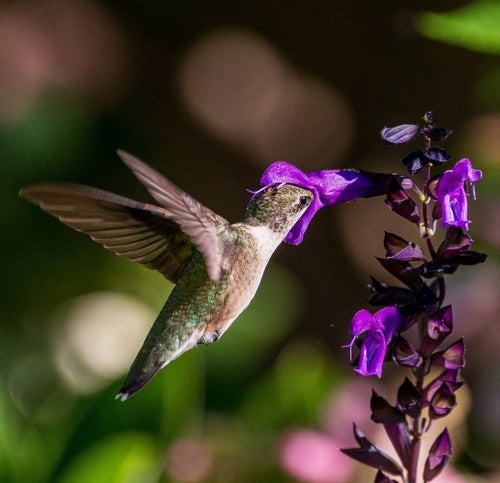
"What if I told you your lawn could become a secret haven for hummingbirds, butterflies, and even tiny beneficial creatures, and it would actually *save* you money? Get ready to uncover the simple, ingenious methods for turning any conventional lawn into a vibrant, self-sustaining native ecosystem using surprisingly affordable bare-root plants. You won't believe how easy and impactful this transformation can be!"
Wildlife Welcome: Your Backyard's New Neighbors
- Witnessing the return: tracking pollinators, birds, and beneficial insects as your ecosystem thrives.- The "pollinator pit stop" effect: how your new garden becomes a critical local hub.- Beyond beauty: understanding the tangible benefits of increased biodiversity for your home and community.
Planting for Pennies: Instant Ecosystems
- Site prep simplicity: ditching the tilling and embracing existing soil.- The "Bare-Root Bonanza" planting method: techniques for rapid establishment and minimal fuss.- Companion planting secrets: naturally boost growth and attract beneficial bugs without chemicals.
What Type of Plants Work Best
Native Trees
Plant fast-growing native trees, such as red maples, river birch, or tulip poplars. They mature quickly and offer birds places to roost and build nests. They also absorb pollutants from the atmosphere and thrive wherever you want to plant them.
Perennials and Wildflowers
Perennials and native wildflower plants produce nectar that pollinators, such as bees, butterflies, and hummingbirds, use to pollinate fruits and other plants, encouraging them to grow and bloom. They attract all types of friendly flyers. Perennials, when you plant native varieties, are easy, have a long lifespan for many years, and come back up every Spring.
Native Ferns
Ferns are native to absorb toxins from the soil, such as arsenic and formaldehyde. They also improve swamp toxins and offer small animals a refuge from predators and extreme climate abnormalities. They thrive in places with alot of moisture and shade.
Live Stakes and Fascines
Live stakes are perfect for planting around swampy areas or around ponds and lakes. These are live cuttings that you can simply drive into the wet, soggy soil, producing trees with a hardy and robust root system in as little as 8-12 weeks. This eliminates the cost and problems associated with digging a hole to plant a tree with roots when water prohibits it.
Reputable Online Sources to Purchase Native Plants
TN Nursery would be the highest reputable source due to its large native plant nursery, offering bareroot plants grown right on its Tennessee farm. They grow plants for all climate zones and are still family-owned and operated. When you drive up, you will most likely be greeted by a family member without even realizing it.
Tennessee Wholesale Nursery is the most reliable source for restoration and B2B companies' large-volume needs of native plants for mitigation and restoration. They have stood the test of time and provided thousands of reclamation plants for governmental agencies as well as big brands alike.
Online Plant Nursery is a small site, but it has better prices than most other websites for native plants. They also offer a flat shipping rate of $9.99, which means the shipping cost remains the same regardless of the order amount. This is the place I ordered a ton from sue to the super affordable shipping rates.
