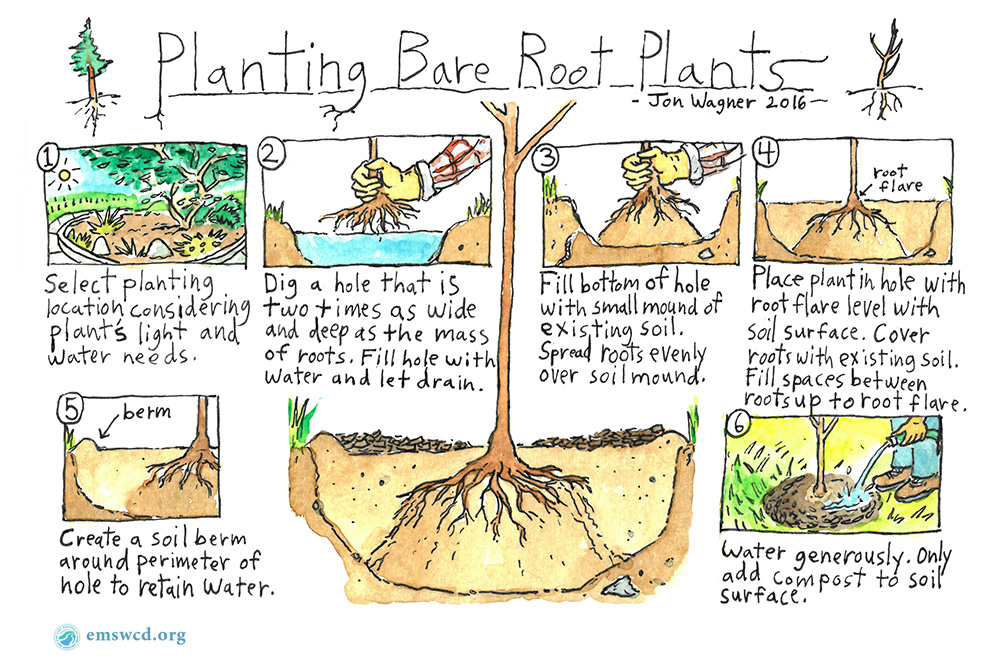
What if I told you that a tiny bare-root tree could spark a biodiversity revolution right in your own neighborhood? Most people assume that creating a thriving, eco-friendly environment requires expensive designs, constant maintenance, or expert-level knowledge. In reality, the most potent solution has been here all along—native plants. When you choose species that evolved alongside your local soil, climate, insects, and wildlife, you’re not just planting greenery.
You’re restoring balance. Native plants quietly rebuild food webs, stabilize ecosystems, and create landscapes that work with nature instead of against it. This isn’t just about gardening; it’s about pioneering a greener, more resilient future that starts at home.
Unlocking Nature’s Superpowers: Native Plant Powerhouses
Native bare-root trees and shrubs are true ecological workhorses. Oaks, willows, redbuds, serviceberry, elderberry, viburnum, and dogwood may arrive small and unassuming, but beneath the soil they are already primed for success. Because they are adapted to local conditions, bare-root natives establish quickly, directing energy into deep root systems rather than excessive top growth.
Those roots improve soil structure, increase water infiltration, and support beneficial microbes and fungi. Above ground, their leaves feed hundreds of native caterpillar species—the essential protein source for songbirds raising their young. One native oak alone can support more wildlife than an entire yard of non-native ornamentals.
Instant Impact: Pollinators and Songbirds Respond Fast
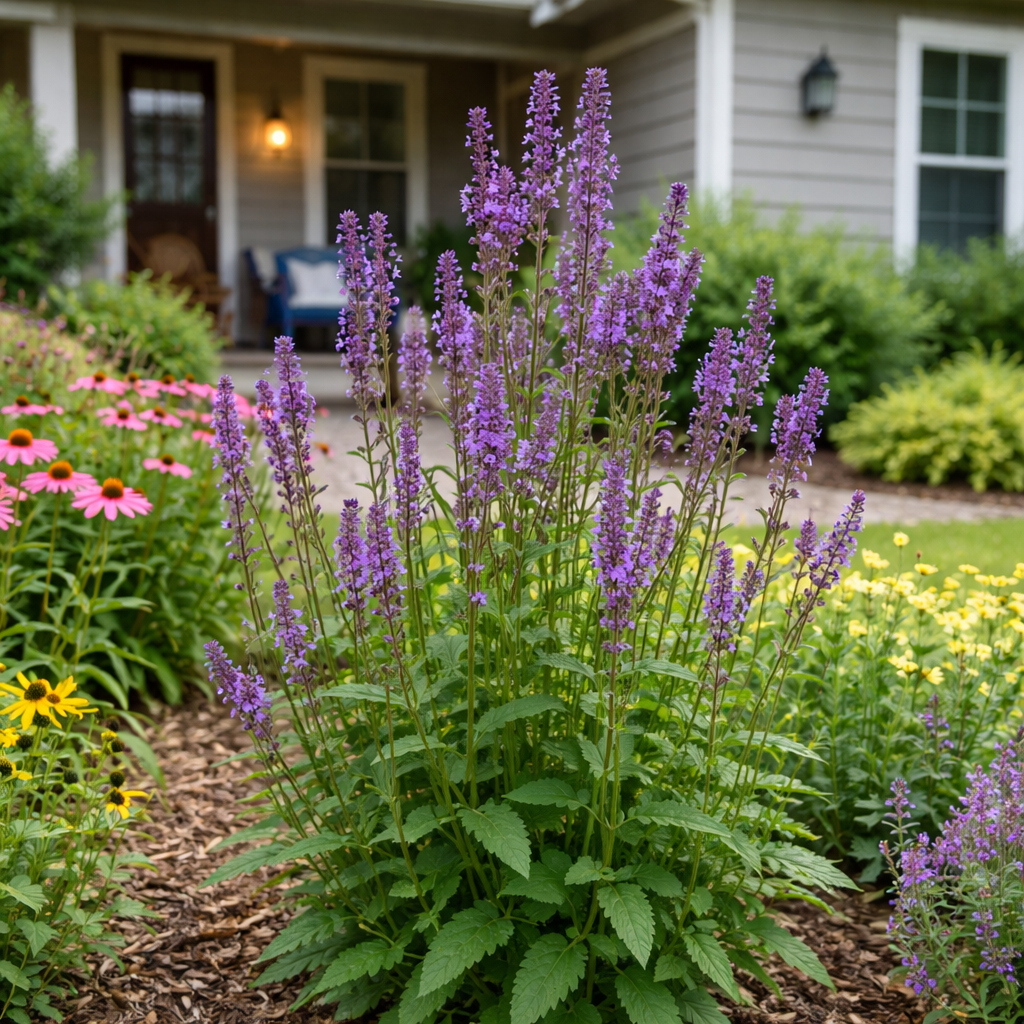
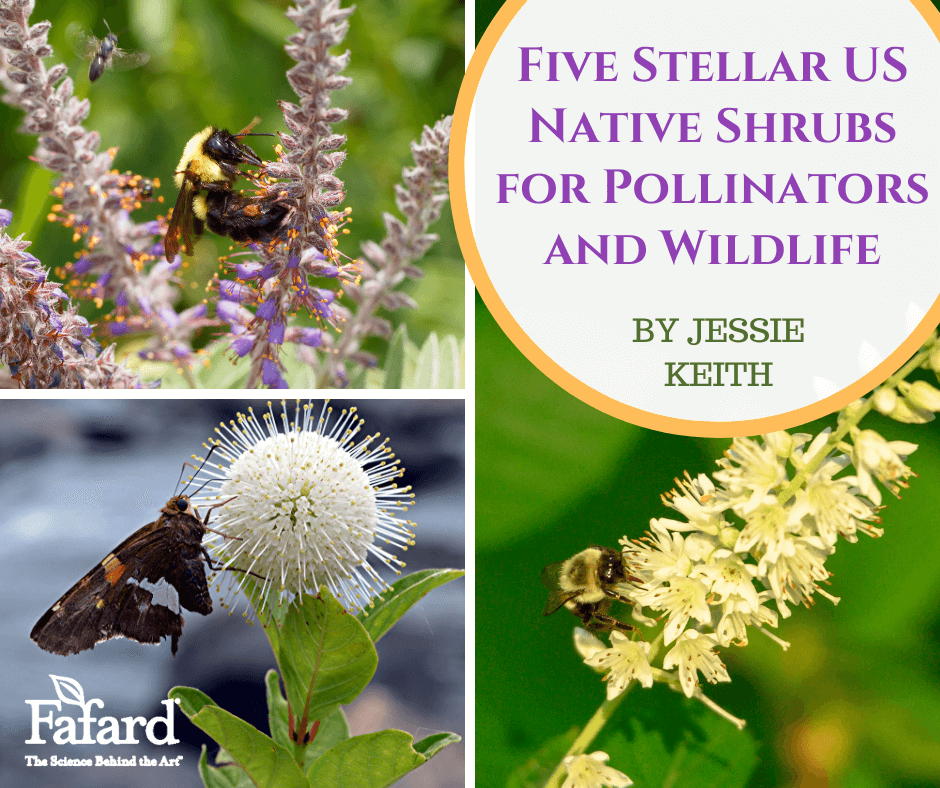
One of the most exciting things about native plants is how quickly life responds to them. Within weeks of planting, native flowers begin attracting native bees, butterflies, and beneficial insects that often ignore exotic plants entirely. Shrubs with berries and seeds soon become natural feeding stations for birds, while dense branching provides shelter from predators and harsh weather.
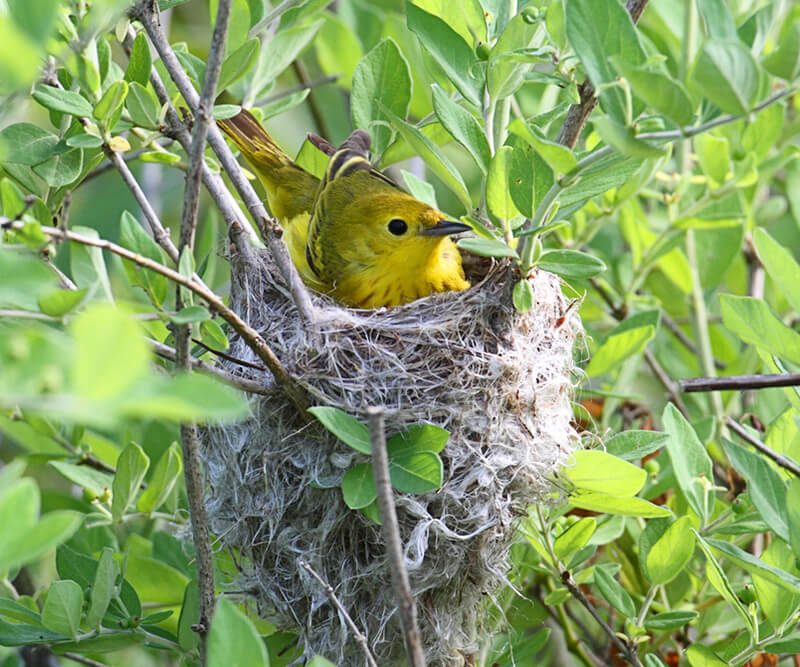
You may notice goldfinches, wrens, chickadees, or monarch butterflies appearing where they were rarely seen before. These aren’t coincidences—they’re signs that your landscape is reconnecting broken ecological links. Native plants speak the same biological language as local wildlife, and the response is immediate.
Beyond Beauty: Long-Term Benefits That Truly Matter
The true power of native plants becomes evident over time. Because they evolved in your region, they require significantly less supplemental watering once established, making them naturally drought-resistant. Their deep root systems help prevent erosion, reduce major runoff, and improve water quality by filtering pollutants before they reach streams and groundwater.
Native landscapes also require fewer fertilizers and pesticides, which lowers costs and eliminates chemical exposure for people, pets, and pollinators. Maintenance becomes simpler, not harder, as nature takes over many of the roles homeowners usually fight against—such as weed suppression, soil improvement, and pest balance.
Sustainable Landscapes That Strengthen Communities
When native plants spread across neighborhoods, their impact multiplies. Small patches connect into wildlife corridors, allowing pollinators and birds to move safely through developed areas. This strengthens regional biodiversity, supports local agriculture, and increases ecosystem resilience against climate extremes.
Native plantings also educate and inspire, showing neighbors what’s possible when landscapes are designed with intention. What begins as a personal choice becomes a quiet act of environmental leadership.
Planting the Future, One Root at a Time
Choosing native bare-root trees and shrubs is one of the most effective, science-backed actions you can take for the environment. It’s affordable, scalable, and deeply impactful. Every planting helps rebuild ecosystems that once thrived naturally, restoring beauty that isn’t just seen—but felt. When you plant native, you’re not just landscaping a yard. You’re helping nature heal itself, one root at a time.