
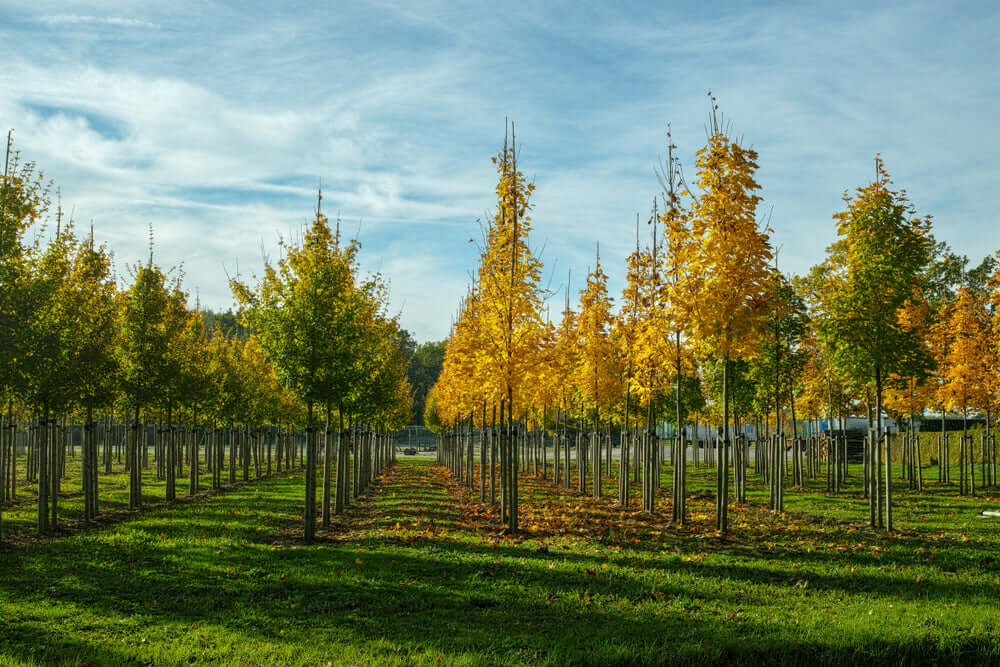
"Quality Trees for Sale: What to Look For and How to Plant for Long-Term Success"
Since a good tree is all about good roots‚ not a full canopy‚ don't be tempted by the biggest or bushiest tree in the lot․ Look for a tree with a root flare‚ make sure there are no girdling roots‚ and find out how the tree was grown and nurtured․ Because we grow our trees in Tennessee soil and Tennessee weather‚ you can be assured that each tree you buy from TN Nursery is accustomed to all the vagaries of humidity‚ clay soil‚ and temperature ranges typical of USDA zones 6b through 7b in which most of Tennessee sits․
Growing Origin is more complex than people think․
One problem with growing trees in a nursery in Oregon or Florida and then shipping them to Tennessee is that they have to adapt to an entire new set of conditions: different soil pH‚ different amounts of rain‚ different pests․ It is stressful for the tree and causes disease and transplant shock․ Trees grown locally will have already established root systems that have adapted to the local clay-rich soil‚ and they will have already been exposed to the freeze-thaw cycles that your yard experiences․
That's one reason we've been concentrating on these kinds of things in Tennessee conditions for over 30 years․ These fields sit in Middle Tennessee; so everything from our Loblolly Pines to our Ginkgo trees has spent its entire life adapting to exactly the conditions your landscape will provide․
Popular Tree Categories and What They're Best For
Flowering trees Redbuds‚ dogwoods‚ crab apples and cherry blossoms are the backbone of spring landscape here․ The Eastern Redbud is native to Tennessee and blooms in late March to early April‚ usually before leaves emerge‚ which means you have a couple of weeks of color when little else is happening in the yard․ Typically ranging from 20-30 ft‚ these trees are good candidates for small yards and can often be planted very close to a house․
Shade and ornamental trees․ These include many of the oak‚ the maple‚ the birch and the Ginkgo biloba․ The Ginkgo is also worth a special mention because of its extreme resistance to pests‚ disease‚ and urban pollution‚ and because its fall color is an almost fluorescent yellow․ Though trees are a long-term investment‚ taking 15-20 years to reach full crown cover‚ you can have sufficient shade within 5-7 years from planting a reasonably sized young tree․
For evergreen privacy‚ Virginia Pine and Loblolly Pine are the workhorses for screening․ Loblolly is fast-growing‚ often 2-3 feet per year once established‚ and is well-suited for someone who wants a privacy screen sooner rather than later․ If a continuous screen is desired within a few years‚ they should be planted at 8-10 feet (2․4-3․0 m) spacing‚ as opposed to the wider spacing of a specimen tree․
Other fruit trees include apple‚ peach‚ pear and cherry․ Most fruit trees need a tree of the same species nearby for cross-pollination․ Check the tag before buying․ A single apple tree planted alone will often flower beautifully‚ but bear little fruit․
Trees native to your region‚ such as river birch‚ black tupelo‚ and eastern redbud‚ are typically easier to grow than ornamental varieties and provide better habitat for local birds and pollinators and should be included in your wildlife gardening plans․
What ""Quality"" Actually Looks Like in the Nursery
Here is how to evaluate a tree before buying․
- Root flare visible above ground․ You should be able to see where the trunk widens into the root system․ If the trunk appears to go straight into ground like a telephone pole the tree may have been planted too deep in its container․ - Bark - should not be cracked‚ oozing with sap‚ or have observable handling wounds․ - Branch structure - Most shade trees do best when they have one dominant leader (main upward stem) and they are not already splitting into two competing trunks․ - Container size․ The trunk is often too large for the pot‚ indicating the tree is rootbound and will be slow growing for years after planting․
Tennessee Planting Calendars That Work for You
Fall planting‚ from mid-October through early December‚ offers trees a jump start not taken by most․ While the fall soil is warm enough for roots to continue growing‚ the tree is not expending energy for leaves and limbs‚ getting all the energy it has into roots before the heat of the summer is upon it․ Spring planting works too‚ ideally March through April‚ but you will just have to be more vigilant with watering the first summer․
Especially avoid planting in the dead of summer․ If you are planting in July or August‚ plan to water deeply two or three times a week for the first month‚ and then more often if it is above 90 degrees Fahrenheit (32 degrees Celsius)․
Basic Aftercare That Determines Success or Failure
The first two years the tree is establishing its root system․ Water it deeply at least once a week in periods of dry weather (rather than lightly every day)․ This encourages the tree's roots to grow down․ Mulch 2-3 inches deep around the base of the tree‚ several inches away from the trunk‚ helps keep the ground cool and moist․
Avoid heavy fertilization in year 1‚ since the tree is planted in a new location‚ and is focusing on root establishment‚ not new leaf growth‚ which stresses the root system․ Light pruning of damaged or crossing branches is acceptable‚ but major changes to the structure of the tree should not be made until its second or third year․
Letting professionals handle the install
For those who want to avoid digging or for larger specimen trees‚ professionals have the knowledge․ Optimal width (2 to 3 times the diameter of the root ball‚ never deeper than the root ball)‚ planting depth‚ and soil amendment considerably influence whether a transplanted tree makes a successful adjustment to a new location․ At TN Nursery‚ we offer a full installation service along with our tree sales․ We do everything from soil prep to first-year maintenance follow up‚ tackling problems before they become major issues․
Choose Trees Suited to Your Landscape Conditions
Whether you need a privacy screen‚ want early spring blooms‚ or need a shade tree that will grow with you for the next thirty years‚ nothing you do will matter more than choosing the right tree for your space․ Visit TN-Nursery․com for our complete selection of trees‚ or visit our showroom near Nashville to find out which trees will grow best in your yard or climate zone․


