
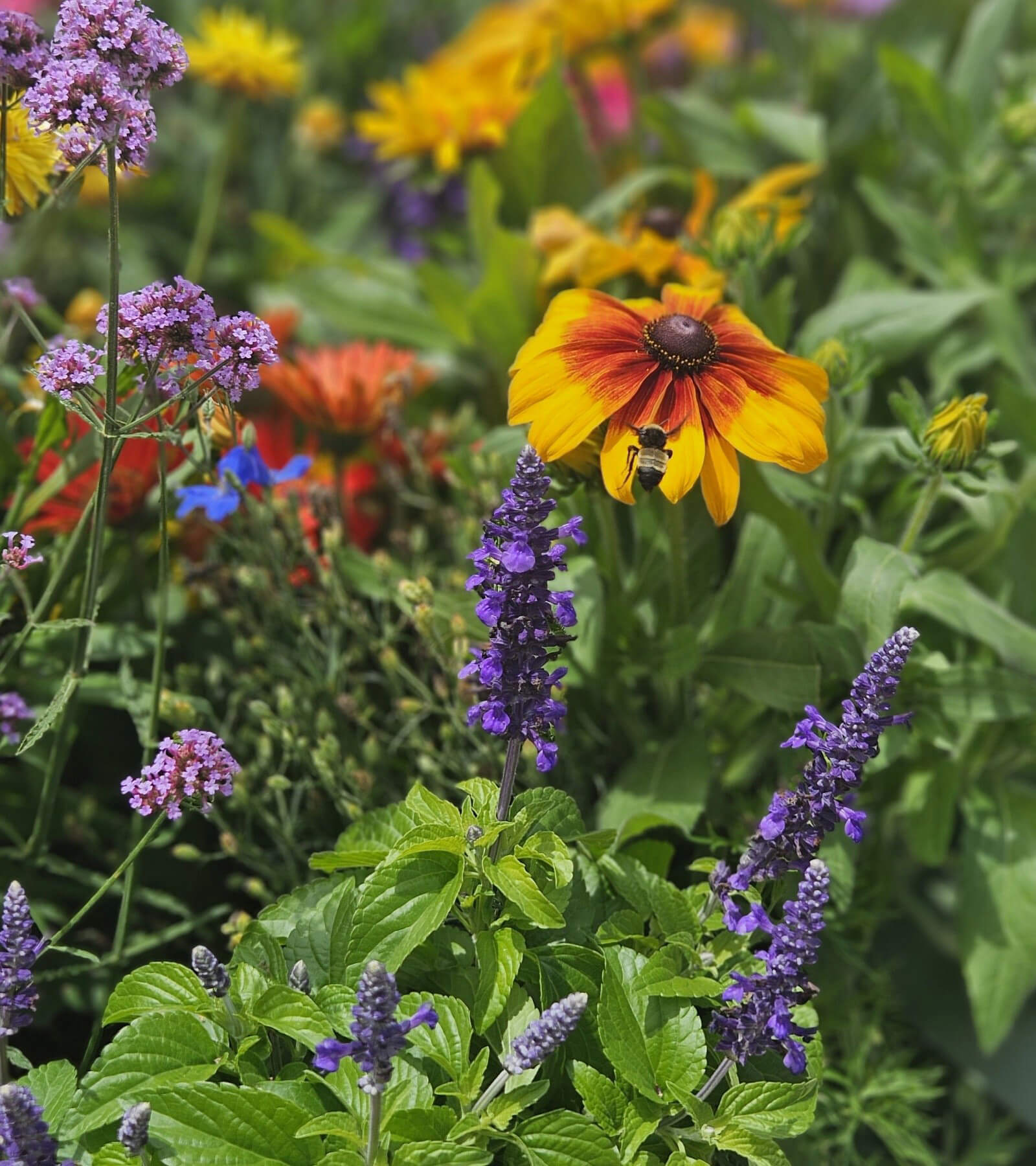
The fact that Tennessee is losing its pollinators requires our intervention, and the habitat begins with your backyard. Indigenous pollinator plants are sources of vital food to bees, butterflies, hummingbirds, and other useful insects. When you select native plants for pollinators, you are selecting those that have co-evolved with the local wildlife, providing them with better nectar, the best pollen, and habitat.
In TN Nursery, our source is of authentic, locally suitable selections that grow fast and provide favorable pollinator ecosystems.
Why Native Pollinator Plants Matter in Tennessee?
Native Tennessee pollinator plants provide benefits that imported species are unable to offer. These native plants have evolved accurate time-of-year synchronization with local pollinator insect generations so that food is present when the butterflies hatch, native bees nest, and hummingbirds move.
Native pollinator plants are of significant value:
-
Timing—Bloom timings coincide with the emergence and migration of pollinators.
-
Nutritional superiority—Native insects have a native plant chemistry preference.
-
Climate resilience - Adapted to Tennessee weather changes and levels of rainfall.
Significance
-
Disease resistance—There is natural resistance to local pests, which lowers the use of pesticides.
- Ecosystem restoration—Recreates the development of lost habitat.
The USDA Natural Resources Conservation Service stated that natural plantings provide 4 times the number of pollinator species as compared to non-native ornamental gardens.
The professionals of TN Nursery thoroughly validate the native status of all the pollinator plants that we sell, making sure that genetically, they are adapted to the growing conditions of Tennessee.
How Pollinator Plants Support Bees, Butterflies, and Wildlife
This knowledge of how to pollinate plants in growing garden ecosystems makes you realize the significance of having pollinator-friendly garden plants.
- Native bees: Tennessee hosts in excess of 400 native species of bees, the majority of which are solitary ground-nesters. Such bees require early spring flowers when these bees are born, summer honey when they nest, and loose soil when underground chambers are to be made.
- Butterfly: Butterflies control pests naturally, and they depend upon pollen and nectar. Most of the best pollinator plants are used by larvae or adults of pollinators.
- Hummingbirds: The hummingbirds fly across Tennessee twice a year, and during the migrations, they need dense sources of nectar that they use to sustain their travels. Bloodred or orange flowers in tubes are indicators of hummingbird-adapted flowers.
- Beneficial insects: Most useful insects, such as lacewings and ladybugs, do not need chemicals to control pests and instead rely on pollen and nectar. These useful allies are enhanced by planting various plants that are pollinated.
By planting native plants for pollinators, you are creating whole ecosystems where wildlife will obtain food, protection, and places to nest.
Best Native Pollinator Plants to Grow in Tennessee
TN Nursery is a manufacturer of superior pollinator plants that have been tested to attract a wide variety of wildlife:
Gayfeather (Liatris)
Gayfeather is a beautiful prairie native with spikes of purple flowers in mid- to late summer. Liatris, being one of the best plants for pollinators, has attracted tens of butterfly species, native bees, and migrating monarchs. The thick spikes of flowers are rich in nectar at a time when several spring flowers have wilted. It grows 2-4 feet in the full sun.
Hairy Buttercup
This is a very early spring wildflower that provides vital pollen and nectar when other plants are not in blossom. The native bees hatching out of winter rely on early sources to survive, such as Hairy Buttercup. The sunny yellow flowers are found in the surrounding woodland, and they occupy a significant gap in pollinator-friendly garden plant libraries.
Carex Pensylvanica
Carex pensylvanica is a useful source of groundcover and habitat for ground-nesting native bees, and its early spring flowers are rich in pollen. This is a low-growing sedge that creates thick 6-8 inch carpets over the soil that suppress weeds and protects the soil organisms. Being one of the host plants of a number of butterfly species, it provides full life cycles for pollinators.
Viburnum Dentatum
Viburnum Dentatum is a white flowering shrub that grows in late spring and has a large number of pollinators. The migrating songbirds feed on the blue-black berries in the fall and winter. This adaptable native shrub is 6-10 feet tall, and it proves why native plants for pollinators are beneficial to the pollinators year-round.
Designing a Pollinator-Friendly Garden with Native Plants
Strategic design for maximizing the impact of pollinator-friendly garden plants:
-
Plants in drifts and masses: Clusters of 3-5 plants facilitate easier resources found by pollinators. This is particularly applicable in the installation of the best plants for pollinator attraction.
-
Bloom succession: Establishing a succession of blooms that mixes early, mid, and late bloomers. Begin with Hairy Buttercup during spring, move on to Viburnum towards the end of spring, and use Gayfeather through summer to provide constant nectar.
-
Layering: Height of layer plants of groundcovers, such as Carex Pensylvanica, intermediary perennials, and taller bushes. Vertical diversity forms microclimates and nesting.
-
Inclusion of host plants: It should be combined with host plants of butterfly caterpillars and sources of nectar. Learning how to pollinate plants in a growing garden ecosystem implies the realization that pollinated plants generate a garden where life cycles are full of life.
- Eliminate pesticides: Get rid of pesticides completely. Even the organic pesticides are damaging to the good insects. Pollinating native plants has resistance to pests, which occurs naturally when the plants are grown with sufficient amounts of organic matter to sustain the presence of beneficial soil organisms.
Seasonal Care Tips for Long-Lasting Pollinator Support
Plants that keep pollinators do not need much work:
- Spring—Dead stems are trimmed in late spring and not in fall. A large number of the native bees overwinter in hollow stems. Use 1-2 inches of compost to fertilize soil organisms and increase the health of roots.
- Summer—Plant water heavily in their first year of development, but leave established plants to survive on precipitation. Additional root systems grow in drought-stressed plants, which are best for pollinators. Let the seed heads grow for the songbirds.
- Fall—You leave seed heads, stems, and littered leaves alone over winter as food and shelter for the pollinators. Fall planting, which enables roots to be put in place, can be used when planting new pollinator-friendly garden plants.
- Continuous - Top-dress at least once a year with compost to keep the microbial diversity. In your pollinated plants, grow a garden design; healthy soil produces healthy plants that form safe habitats for all the pollinators.
Conclusion
Planting native Tennessee pollinators restores essential ecosystems and produces some of the most stunning landscapes. Native pollinators developed features to use such species as Gayfeather (Liatris), Hairy Buttercup, Carex Pensylvanica, and Viburnum Dentatum to obtain the resources they need.
The native plants you choose when you decide to use TN Nursery as a source of pollinators are an investment in locally appropriate stock supported by the knowledge of the experts. These pollinator-friendly garden plants help in sustaining full food webs where the bees, butterflies, helpful insects, and songbirds all survive.
FAQs
What are pollinator plants?
The pollinator plants serve as nectar, pollen, or host plants for bees, butterflies, hummingbirds, and useful insects.
What plant attracts the most pollinators?
The number of pollinators will be maximized by native plants such as Liatris, Coneflower, and Milkweed, which are found in Tennessee.
Which plants attract bees and butterflies in Tennessee?
Bees and butterflies are known to be attracted by native species such as Gayfeather, Black-Eyed Susan, Joe-Pye Weed, and Viburnum.
Do pollinator gardens require full sun?
Not always, as there are numerous indigenous pollinating plants, such as Hairy Buttercup and viburnums, that do well in half-shade.
How can I support pollinators year-round?
Plant a variety of natives that blossom at different times, do not cut off stems in the winter, and do not use pesticides.
Where can I buy native pollinator plants online?
TN Nursery provides native pollinator plants that are authentic and of the right type for your area, and are delivered to your door.


