
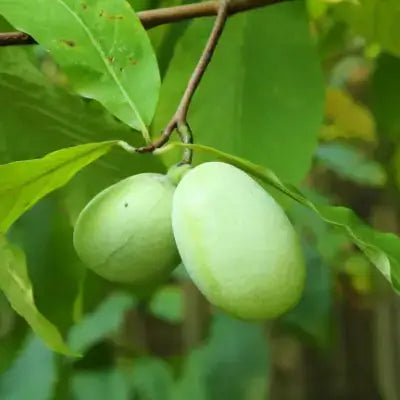
The Pawpaw Tree, also known as Asimina triloba, is a native plant to North America. It is usually anywhere from 15 to 20 feet high and between 15 and 20 feet wide.
They are easy to care for. They only need a little water or fertilizer to grow. They can be planted in almost any type of soil and need only sunlight, water, and good drainage to thrive. They need full sun to thrive. They will grow in partial shade, but it is best to plant them where they will receive plenty of sunshine throughout the day. The flowering fruit tree trees do not back up yearly like some other types of trees. Instead, they grow at different rates depending on how much sunlight and water they receive.
Pawpaw tree Pawpaw tree leaves are long, serrated, and dark green during spring and summer but turn yellow or red in fall before dropping off entirely by wintertime. The flowers on them are white or pinkish-white with five petals each, similar in appearance to lilac flowers but smaller than lilac blossoms. They are native to North America and grow naturally in the eastern United States from Canada to Georgia and west as far as Iowa, Missouri, and Texas. They also grow wild in Mexico and Central America.
What Environments Do Pawpaw Trees Grow In
They prefer rich, loamy soil with good drainage but tolerate most conditions except standing water or drought. The ideal temperature range for the trees is between (18°C) and (29°C), although they will tolerate temperatures up to 100°F (38°C).
Pawpaw Pawpaw Trees are edible, but there is no evidence that they are toxic if eaten in moderation. However, large quantities of raw seeds can cause gastrointestinal upset and diarrhea when consumed by humans and animals.
Planting Pawpaw
Pawpaw trees usually bear fruit in about 4 to 8 years, depending on age at planting, pollination, and growing conditions. Grafted or well-established nursery trees may produce sooner than seedlings.
There is a small but important endeavor going on amid the rolling hills of Altamont, Tennessee.As the crisp autumn air of October 2025 settles over the Cumberland Plateau, the team at TN Nursery is undertaking a project of historic scale: planting two tons of pawpaw tree seeds. This isn't corn or soybeans. This is a calculated bet on the future of a uniquely American fruit - the pawpaw. The goal? To germinate over four million pawpaw saplings by 2026, solidifying the nursery's position as the world's largest producer and cementing the comeback of America's forgotten fruit.
This procedure is like what happens in nature when seeds fall to the ground in the fall and stay dormant under the leaves all winter. The nursery is exploiting the Tennessee winter as a natural, large-scale germination chamber by planting now, in the fall of 2025.The awakening will start when spring arrives in 2026. The fields will turn into a sea of green, full of the promise of almost four million new trees .This thorough knowledge of plant biology is what makes industrial-scale horticulture different from regular gardening and is the key to the project's success.
It's hard to plant two tons of anything.To plant two tons of pawpaw seeds, you need to be very careful and follow scientific rules.The 40,000 pounds of seeds that are being planted in carefully prepared beds at TN Nursery won't just sprout on their own.To break their natural dormancy, pawpaw seeds need to be stratified in a cold , wet place for a while.
Pawpaw trees are excellent for edible landscapes because they combine fruit production, native habitat value, and a lush tropical look. They work especially well along woodland edges, rain-friendly planting zones, and mixed borders with other useful trees.
Pawpaw tree care is simple once the tree is established: keep the soil evenly moist, mulch the root zone, and avoid unnecessary root disturbance. Most problems come from dry soil, poor pollination, or planting in a site that is too exposed.
Scientific studies have identified bioactive compounds called acetogenins in the bark and twigs of this plant which demonstrate strong anti-cancer capabilities. Scientific research has examined these compounds because they show potential in slowing cancer cell proliferation, specifically targeting leukemia and aggressive cancer types. The leaves of this plant have beneficial antioxidants which might enhance immune function while decreasing oxidative stress levels.
In garden landscapes, they function as understory vegetation, which enhances taller tree specimens and fills shaded spaces with dense foliage. Because it withstands moist soil conditions well rain gardens and riparian buffers often utilize this plant to help stabilize soil structure and prevent erosion. Native wildlife gardens benefit greatly from this plant because it attracts rare pollinators and helps sustain local ecosystems.
Pawpaw Care and Watering
This tree grows to a height of 15 to 30 feet but maintains a compact size compared to other deciduous trees which makes it an ideal tree for small gardens. The wide-spreading canopy from its multiple stems creates substantial shade which helps reduce temperatures during hot weather.
Use mulch to hold moisture, but keep it a few inches away from the trunk.
If you are asking whether pawpaw trees are easy to grow, the answer is yes for many gardeners once the site is right. They are not high-maintenance, but they do reward consistent moisture and patience during the slow early years.
Soil and Sunlight for Pawpaw
Pawpaw trees (Asimina triloba) grow 15-30 feet tall with large tropical leaves and purple-brown flowers. They thrive in USDA zones 5-9 and prefer partial shade when young.
Pawpaw trees thrive in the eastern United States in rich, well-drained soil with a slightly acidic pH of 5.5-7.0.
Watering Pawpaw Trees
Sow the seedling at the same depth it grew in its pot and water daily until it is established. You should see some growth within two to three weeks after planting your seedlings in its new home.
Pawpaw Size and Growth Rate
Mature trees can reach up to 25 feet tall and produce fragrant flowers followed by fruit in late summer.
Way Down Yonder in the Paw Paw Patch
Did you grow up singing that song about pawpaws?
Did you know what they were back then? Are you still unsure now? Most of us are.
Believe it or not, the paw is the most significant fruit from North America. How can a fruit so big still be so unknown?
Most supermarkets don't carry them. Neither do most neighborhood nurseries. Also known as Michigan Banana or Custard Fruit, it tastes like a combination of banana and papaya. It has high protein for fruit, making it a delicious and nutritious addition to your fruit bowl. A good tree for first-timers to try out has few pests and does not grow so big to get overwhelming.
Lilac LilacPawpaw and Wildlife
The branches of this tree display deep maroon flowers during the early spring months. These blossoms demonstrate understated sophistication in contrast to the vivid displays of many fruit tree flowers. These flowers have a bell shape and velvety texture while their unique scent draws specialized pollinators to them. The fruit grows into a big oblong form which features a custard-like consistency under its greenish-yellow peel when the season advances.
About Pawpaw
North American history recognizes the Pawpaw Tree or Asimina triloba as a unique entity with origins extending thousands of years back. The fruit of it gained reverence among Indigenous tribes for its nourishment and healing capabilities which led them to integrate it into their everyday existence before the arrival of Europeans. Native American communities established agriculture practices for the fruit of this tree to use it as a foundational food source. The discovery of seeds at archaeological sites demonstrates that they were used by ancient peoples for more than 3,000 years as a critical component of their diet.
The pawpaw (Asimina triloba) is a horticultural wonder for people who don't know.This is the biggest fruit that grows naturally in North America. It has a rich, creamy texture and a tropical flavor that people often say is a mix of banana, mango, and pineapple. 1 For hundreds of years, Native Americans and early European settlers relied on this "custard apple" as a main food source. 2 But as industrial farming and fruits bred for long-distance transportation grew, the soft, quick-to-ripen pawpaw fell out of favor and became less well-known, mostly among foragers and people who remembered it from their childhoods.
This massive supply will serve a diverse market, ranging from individual hobbyists seeking a single tree to commercial farmers planning multi-acre orchards. By drastically increasing the availability of pawpaw saplings, TN Nursery is poised to single-handedly create new opportunities in American agriculture, making the dream of a pawpaw patch accessible to all.
Pawpaw Problems and Pests
Traditional Appalachian medical practices utilized it as a natural insect repellent because annonaceous acetogenins present in it repelled pests. Historical documentation proposes that it is used in homemade lice remedies, which underscores its diverse medicinal applications. Research continues to investigate its potential applications in natural medicine and cancer treatment despite its limited adoption in mainstream pharmaceuticals.


