It can be hard to plan for gardens that get different amounts of light, but they are often the most satisfying places to be. There are many part sun part shade perennials do well in these conditions. They provide color, durability and steady growth all year long. Gardeners can choose perennials that bloom well, grow strong roots and keep their bright leaves by understanding how light affects plant health.
This blog talks about choosing plants, caring for perennials for partial shade, flowery types and smart ways to make a mixed light garden that does well.
If you want to make your landscape look better or build a new one, learning the differences between plants that do well in different amounts of light will help you make a beautiful, healthy garden that lasts for years.
What Does Part Sun and Part Shade Mean?
There are gardens in this group that get both sun and shade during the day. These places get three to six hours of direct sunlight each day, most of the time in the cooler hours, like early morning or late afternoon. This makes them perfect for perennial plants part sun part shade that prefer filtered or irregular light over full sun.
A lot of these plants do well because:
- They don't get too hot from being in the sun all day
- Their earth stays moist for longer
- Their leaves stay richer because they don't get as much sun damage
The beautiful Blue Flag Iris does well in areas with both direct and indirect light. It grows best in moist soil and shaded sunlight.
Beginner Tips:
- Keep an eye on how much sunshine your garden gets in the morning, noon and afternoon
- Write down which trees or buildings cast different shades
- For the best results, select perennials for part sun and part shade that are specifically labelled
Benefits of Part Sun and Shade Perennials
Picking the right perennials for mixed light gardening makes the area full of life and easy to care for. These plants do well with different amounts of sun and have leaves and flowers all year long.
Some benefits are
- Plants can handle drought better because the soil is cooler
- Many types bloom for longer
- Roots and microbes grow better
- Plants are protected from sun related stress or leaf burn
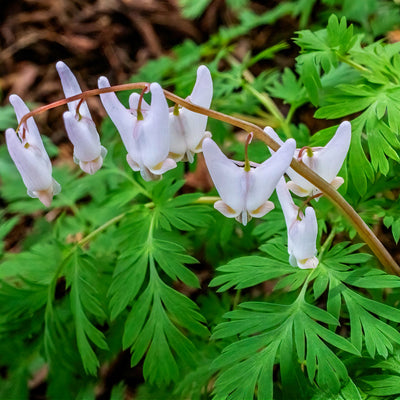
Dutchman’s Breeches and other plants that do well in mixed forest light add a unique texture to beds that are in the shade.
How to Choose Part Sun and Shade Plants
To choose the best plants, you need to know how your garden's light, dirt and water work together. Some types like it cooler in the morning sun, while others can handle stronger midday light if they are covered later.
Think about these things:
-
Light tolerance: For plants that can handle some light, look for tags that say Perennials for partial sun or part shade
-
Soil moisture: Plants that like wet soil do best in the morning sun, while plants that can handle dry conditions do better in the afternoon shade
-
Plant space and height: Don't crowd the plants too closely together to help air flow and root health
Tips for Newbies
- Pick two or three groups of plants, each with a different feel
- For balance, include plants with both flowers and leaves
- Plant flowers at different times of the year to keep the color all year
There are perennials for part sun and part shade in this area. This will help gardeners match the needs of plants to their specific conditions.
Care Tips for Part Sun/Part Shade Gardens
To keep plants healthy, you should change your routine depending on how much sunlight they get, the quality of the soil and how much water they need. Roots that are better, more diverse microbes and stronger flowers are all signs of good care.
Important steps for care:
-
Soil improvement: To improve the soil, add compost and other organic matter to help soil creatures and keep water in the soil
-
Watering: Give the soil a lot of water at once, but let it dry out a bit between applications. Places that get morning sun usually don't need as much water
-
Mulching: Cover the dirt with two to three inches of mulch to keep it stable and protect the roots
-
Monitoring: Look for signs of stress, like leaves turning yellow or fewer blooms
These guidelines ensure you follow best practices for Caring for Part Sun and Part Shade spaces.
Tips for Newbies
- Mulch once a year to help keep the roots' temperature stable
- Do some light trimming in the early spring to help plants grow new leaves
- Don't use too much fertilizer so that the leaves don't get too excited and lose their blooms
Flowering Perennials That Thrive in Part Sun/Part Shade
Gardens with a mix of light can be very lively. A lot of flowering plants do well in filtered sunlight and have bright blooms all season long.
Excellent choices include
- Blue Flag Iris
- Dutchman’s Breeches
- Astilbe
- Hellebores
-
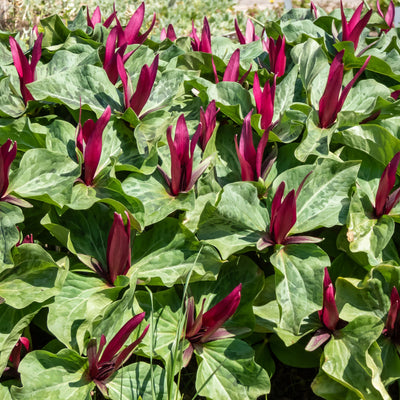
Trillium
- Heuchera
These plants have the right amount of height, flower shape and yearly interest. Many of them are perfect perennial plants part sun part shade that thrive in wooded areas with changing light.
Conclusion
Gardeners can choose plants that will do well in their area if they know what the part sun and part shade conditions are. You can have a beautiful garden with healthy leaves and flowers that last for a long time if you choose plants that can adapt to different conditions, improve the soil and take good care of your plants.
FAQs
Which perennials thrive in part sun and part shade?
Astilbe, heuchera, trillium, Blue Flag Iris and Dutchman's Breeches are just a few of the plants that do well in mixed light.
How do I choose the right part sun/part shade perennials for my garden?
Match plants to the amount of sunlight they get, the amount of water in the soil and the way your garden is laid out. On the tags, look for words that say perennials for part sun and part shade.
How should I care for part sun and part shade gardens?
Pay attention to making the soil better by deeply watering and covering it often to help the air move and do not crowd.
Can part sun and part shade perennials attract pollinators?
Yes as many flowering perennials like Dutchman's Breeches are good for you because they draw bees and butterflies and other insects.
How often should I water part sun part shade perennials?
Depending on how much rain falls you must water once or twice a week. Areas that get morning sun may need a little less water than areas that get afternoon sun.