
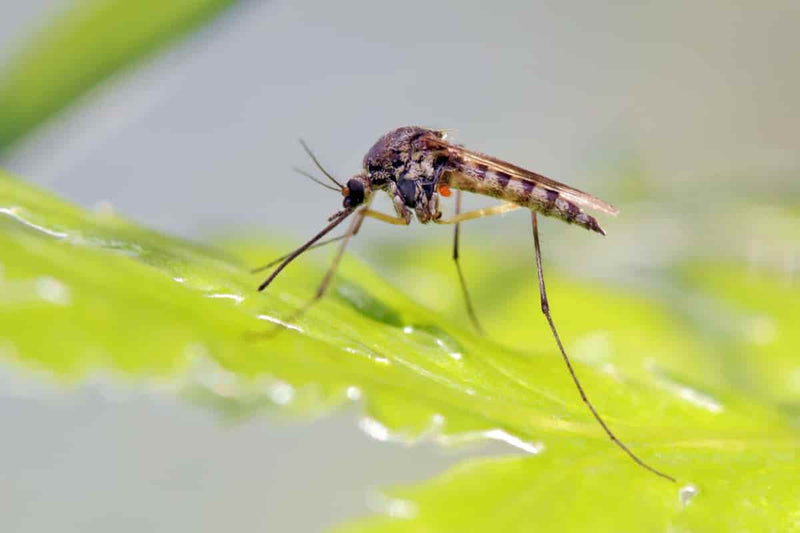
Mosquito repellent plants are a natural, chemical-free method of making the outdoor space a more comfortable and enjoyable place to be. Plants for mosquito repellent operate by emitting chemicals and aromatic oils that dispel the mosquitoes and make the garden look beautiful at the same time. The selection of plants that naturally repel mosquitoes helps in environmentally friendly gardening and will decrease the use of artificial sprays and chemical applications. Our experience in the provision of landscape plants at TN Nursery has revealed the most efficient species to use in the creation of pest-resistant, healthy outdoor landscapes.
Why Choose Natural Mosquito Repellent Plants?
Plants that repel mosquitoes do not interfere with the healthy ecosystem of the soil and the plants and microorganisms that are beneficial to the gardens. Chemical repellents kill indiscriminately—plant-based mosquito repellent formulas offer security to people without compromising pollinators or soil conditions.
Plants that repel mosquitoes also put organic matter into the soil, enhance root health, and contribute to biodiversity in a manner that could never be achieved through chemical treatments. Numerous species offer wildlife habitat, seasonal color, and form by repelling pests.
Outdoor mosquito repellent plants are especially useful in Tennessee, where hot, damp summer seasons provide the perfect breeding grounds for mosquitoes. TN Nursery always stresses the importance of incorporating repulsive species whenever designing a garden, instead of using individual plantings that yield the best landscape-wide outcomes. The relationship between the mosquitoes and nature deterrents, together with the plants, is discussed in the article on mosquito control.
Top Mosquito-Repelling Plants for Gardens
Plants for mosquito repellent do better when selected from those species that emit an intense aroma or provide conditions that are unsuitable for mosquito breeding and resting. These TN Nursery trees are significant to the pest-resistant Tennessee landscape.
Bald Cypress
This is a native, solid, deciduous conifer (Taxodium distichum) that grows feathery leaves and is capable of releasing natural substances that put off the invasion of mosquitoes in the nearby forests. The Bald Cypress reaches 50-70 feet tall, and it can withstand wet soils, which are the favorable places for the mosquito population. It is among the most ecologically useful mosquito repellent plants for Tennessee landscapes that have drainage issues.
White Oak Tree
This is a magnificent native tree (Quercus alba) that is considered a great shadier of the canopy, and as a result, it reduces the warm and damp microclimates where the mosquitoes rest and reproduce. The White oak tree continues to a height of 50-80 feet, spreading its canopy throughout the country and deep-rooted systems that enhance the structure and organic matter of the soil over time. It is one of the superior plants that naturally repel mosquitoes in large Tennessee landscapes.
Loblolly Pine
It is a quick-growing native evergreen tree (Pinus taeda) that secretes aromatic resin substances that repel mosquitoes and other insects in nearby gardens. The Loblolly Pine is 60-90 feet tall and forms a dense canopy that decreases ground-level humid conditions that are conducive to mosquitoes. It is among the best choices of outdoor mosquito repellent plants to create a canopy of fast coverage in Tennessee yards.
American Plum Tree
A sweet native tree (Prunus americana) with aromatic spring flowers and thick branching that also disturbs the resting habits of the mosquitoes during the growing period. The American Plum Tree is 15-25 feet tall, and it supports the pollinators, whereas it creates a hostile environment for plants that resist the use of mosquito applications in the mixed-landscape setting. Well, it is a beautiful and practical addition to the Tennessee garden that is a plant-based mosquito repellent.
Cedar Tree
A native evergreen, highly fragranced (Juniperus virginiana), which grows in dense foliage and makes natural cedar oils that are well known to keep mosquitoes away. The Cedar Tree is 30-65 feet high and forms aromatic barriers all year round, making this one of the best mosquito repellent plants that can be planted in Tennessee landscapes. The strongest plants in the category as mosquito repellent performers are those with natural oil compounds that are released continuously.
How to Design a Garden That Naturally Repels Pests?
Maximization of the effectiveness of plants that repel mosquitoes in outdoor living areas follows the strategic position of the plants. Some sensible design choices can produce a considerable difference in outcomes.
- Plant around seating zones: Mosquito-repelling plants such as Cedar Trees and aromatic plants should be planted nearest to patios, decks, and seating areas in the garden areas where the mosquitoes are most annoying.
- Plant barriers on the windward side: Growing mosquito-repelling plants on the windward side of an external location will ensure that aromatic substances are dispersed naturally within the designated area by the movement of prevailing winds.
- Remove standing water: Not all the natural plants that keep mosquitoes away are adequate to neutralize standing water. Eradicate all items of stagnant water, gutters, containers, low places, etc., to make sure that the breeding places are eradicated to the last bit.
- Height of layers: When using tall canopy plants that repel mosquitoes, such as Loblolly Pine, with ground-layer and mid-level aromatic species, combine the plants at both levels and also combine at multiple levels across the entire garden space.
Simple Care Tips to Maximize Mosquito-Repelling Benefits
Mosquito repellent plants work best when they are healthy, lively, and in full bloom. Repellent properties are maintained by simple maintenance procedures that make them strong in all seasons.
- Watering: Water is to be applied deeply and sparsely in the initial two growing seasons to promote deep root formation. Do not overwater the plants that keep mosquitoes at bay; too much soil moisture around the plants creates the humid environment that the mosquitoes prefer.
- Mulching: Spread 3-4 inches of organic mulch around all the outdoor mosquito repellent plants to ensure that the soil remains moist, to regulate soil temperature, and to allow the soil to support soil organisms as organic matter decomposes.
- Pruning: Have plant-based mosquito-repulsive trees and shrubs pruned each year to ensure healthy and dense foliage that is able to produce the greatest amount of aromatic compounds during the growing season.
- Soil health: Pre-installation amendment: Adding compost to the planting areas. A good root health contributes directly to the robust growth that enables plants that naturally repel mosquitoes to prove most effective in the long run.
TN Nursery suggests the use of several mosquito repellent plant species in combination to achieve the best landscape-wide pest-repelling outcome.
Conclusion
The mosquito repellent plants make the outside environment more relaxed, natural, and pest-free without the use of chemicals. Mosquito repellent plants enhance the biodiversity of gardens, promote healthy soil, increase the aesthetic value of the landscape, and naturally suppress the mosquito pressure. TN Nursery provides quality trees that are trusted, such as Bald Cypress trees, White Oak trees, Loblolly Pine trees, American Plum trees, and Cedar trees, which have been proven to make Tennessee landscapes more enjoyable and healthy.
FAQs
Which plants naturally repel mosquitoes?
Some of the most effective plants that have natural repelling effects on mosquitoes are the Cedar Tree and the Loblolly Pine because they release aromatic oils and compounds continuously.
What kills off mosquitoes naturally?
The best natural mosquito control environment is that which eradicates standing water and is planted with mosquito-repelling plants.
What plants are mosquito repellents?
The known plants that are effective in terms of mosquito repellents are Bald Cypress, Cedar Tree, and American Plum Tree, which make a significant contribution to the Tennessee pest-resistant landscapes.
Are mosquito repellent plants low-maintenance?
Yes, the majority of outdoor repelling mosquito plants are indigenous plants that need little watering, mulching, and infrequent pruning after planting.
Which nurseries specialize in mosquito repellent plants near me?
TN Nursery deals with planting trees and plants that are based on mosquito repellent and are known to perform well in Tennessee landscapes.
Where can I buy mosquito repellent plants online?
TN Nursery has a great variety of plants that can keep mosquitoes away, such as all of those mentioned above, and they can advise on creating pest-resistant Tennessee gardens.


