Ways to Prevent Mosquitos from Infesting Your Garden

Gardening can be a therapeutic endeavor, however the sighting of a mosquito can turn a pleasant surrounding into an annoyance. Mosquitos don’t only represent an annoyance, but have the capability to transmit diseases like malaria, Zika virus, and the West Nile virus.

Thankfully, going to a chemically-based approach is not needed, as there are a number of methods to ward off mosquitos from your garden through organic mosquito control. No matter the style of your garden (traditional, water, or rock) natural strategies can be integrated to effectively decrease the number of mosquitos in your garden, maximizing your enjoyment of the outdoor space.

Mosquitoes and Their Habitats

Before examining the strategies to ward off mosquitos from your garden, it is vital to ascertain to what areas na mosquitos rest and the factors that attract them. Mosquitoes will always find a space of still water, this allows the water to breed and a solid environment for the mosquito baby. So, bird baths, tiny ponds, and rainwater collection systems should be cleaned. Also, keep in mind that mosquitoes are attracted to warmth, damp areas, and particular smells. So, any garden that provides these factors will certainly attract mosquitoes.

First, let’s remove all the standing water. This is the most simple and fastest way to reduce the number of mosquitoes in your garden. It prevents them from laying eggs and breeding as part of organic mosquito control.

Tips to Control Water

Always Empty Water Containers

Remember to take a minute and empty water bird baths, planters, and all containers collecting rainwater. Mosquitoes only need a total of 1 tablespoon of water to lay their eggs, so don’t keep standing water for liquid for a long time.

Implement Proper Drainage

Avoid having the garden water accumulate and prevent water from sitting in low areas by having a garden drainage system. Consider implementing drainage pipes and rain gardens.

Water Gardens

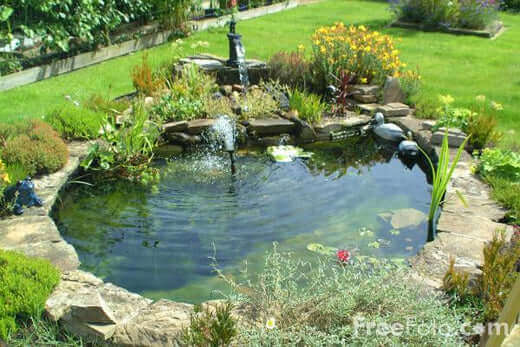
In case there is a water garden, the best way is to introduce some plants or seeds that will grow and attract the beneficial insects. These insects help keep the water garden free from mosquitoes. The spider, dragon, and damselflies all do their bit.

Add Mosquito-Repelling Plants

Some species of mosquito-repellent plants can naturally keep mosquitoes away. To their benefit, planting these species into your garden adds some splendor while warding away these pesky mosquitoes. Some of the best plants that repel mosquitoes are:

  • Citronella Grass: Citronella grass has long been used in candles and oils but can also be grown directly in the garden. Its scent makes it one of the best plants used for repelling mosquitoes.
  • Lavender: While people enjoy the pleasant aroma of lavender, for mosquitoes it is the opposite. Lavender can be used to create a mosquito-free area, which is useful for planting around patios and garden seating.
  • Marigolds: Marigolds are some of the most beautiful flowers available. Although, they are one of the best flowers to plant to ward away pesky mosquitoes, especially around the vegetable garden.
  • Lemon Balm: This plant is great for keeping some mosquitos at bay because of its strong lemon scent. It can also be grown in pots which is much easier to handle.
  • Basil: The oils contained within the basil are enough to create a mosquito barrier. Basil works best around doorways and windows.
  • Scented geraniums: Scented geraniums release a fragrant oil that mosquitoes dislike. They’re perfect for planting in containers near doors, patios, and outdoor seating areas as plants that repel mosquitoes.

Add Some Helpful Insects

A great way to deal with mosquitoes is to add helpful insects to your garden. Beneficial insects eat mosquito larvae and adult mosquitoes which decreases the population of mosquitoes in your garden and yard. Some helpful insects that control mosquitoes are:

  • Dragonflies: Nicknamed “mosquito hawks,” dragonflies eat mosquitoes in all their forms. They feed on adult mosquitoes, larvae, and even pupae. They are one of the best natural mosquito controllers and predators.
  • Damselflies: Like dragonflies, damselflies consume mosquitoes and their larvae, however, in water gardens where mosquitoes breed, these insects are more efficient.
  • Predatory Bugs: Some beetles, certain types of ants and a few other insects that feed on the larvae of mosquitoes. You should aim to create a balanced ecosystem with mixed species and some insects in order to achieve the desired outcome of mosquito population reduction.

Apply the Mosquito Traps and Use Repellents

Though insects and mosquito-repellent plants help keep the mosquitoes at bay, at times one must do a little more work in order to keep them away. Below are some natural mosquito traps and repellents that might come in handy to you.

  • Mosquito Traps: Various mosquito traps are available that use different attractants, such as carbon dioxide, heat, or light, to catch mosquitoes. These types of traps can help to slowly decrease the mosquito population in your gardenes.
  • Essential Oils: Some essential oils, especially eucalyptus, citronella, and tea tree oil are known to be natural repellents of mosquitoes. They can be directly applied on the skin or sprayed around the garden using a garden sprayer or a diffuser.
  • Garlic Spray: More natural repellent methods can be applied using a raw garlic clove. A homemade garlic spray can be crafted from adding some garlic to a blender which is mixed with water and is sprayed around your garden. The odor produced from the garlic is known to repel a range of pests, mosquitoes included.

Take Care of Your Lawn and Garden

An untidy garden is more inviting to mosquitoes. Long grass and overgrown bushes give mosquitoes places to hide and rest during the day. Cutting your grass, pruning overgrown bushes, and pulling any decaying plants from your garden will make it less friendly for mosquitoes.

Form a Landscape That Mosquitos Would Avoid

Mosquitoes will still come but you can set up your garden in ways that will make it less inviting. These are some recommendations for forming a landscape resistant to mosquitoes.

Do Not Water Plants Excessively

If you overwater your garden, it can lead to pools of stagnant water, which are a mosquito's dream. Make sure your plants are watered, but that water does not collect in puddles.

Don't Overuse Mulch

Mulch is helpful for moisture retention, but can become a mosquito breeding zone if it is overly damp. Use mulch carefully, and in particular, mulch should not be applied to damp areas.

Add Fish to Your Water Garden

If you have a water garden, putting in fish can also work in your favor when it comes to keeping mosquitoes away. Goldfish, koi, and guppies help to keep the mosquito population down in your garden, as they love to snack on mosquito larvae.

Conclusion: Visit TN Nursery for all of your gardening needs

Planning for your garden and having it free of mosquitoes is attainable with appropriate maintenance and having the right plants and insects. Head over to TN Nursery now that has a multitude of plants and gardening tools that will let you sculpt a garden free of mosquitoes and on top of that, has water garden plants and mosquito repellent herbs plus a lot more for a thriving garden.

FAQs: Mosquitoes and your garden

How to successfully grow seedlings?

To grow seedlings requires sufficient moderate surgery in lighting, watering, and nourishments. Pick seeds suitable for your environment and put them in light, porous soil. Water only when necessary. After seedlings are strong enough, transplant them in the garden, nurturing them during the ‘hardening’ stage before moving them outdoors.

Should seedlings be kept in the dark?

Seedlings, in fact, do not require darkness to survive. During the growing stage, seedlings are exposed to light in some to many holdings for some time during the germination phase. However, once the seedlings start to grow, those in structures with light boxes and transparent boxes should be afforded some darkness to help them grow peak.

How to boost seedling growth?

Seedlings should be in good and rich organic soil. Expose them to organic fertilizers or compost to boost. Seedlings should be placed in the center of the room so the light doesn’t only come to one side. Watering and sunlight should be readily available for the seedlings.

How to get seedlings to grow quickly?

To grow seedlings faster, make sure to use good potting soil. Also, seedlings should be adequately watered, and if the seedlings need extra light, you can use a grow light. Keep the soil on the seedlings approximately damp and consider seed starting mix soil for seedlings that grow quickly.

How long should seedlings stay in trays?

Seedlings stay in trays for 4 to 6 weeks, or as long as it takes them to grow a sturdy root system and an appropriate size. However, it is important to remember that if seedlings stay in their trays for too long, it can restrict their growth due to a lack of root space.

What is the rule of 3 in gardening?

The 3 rule in gardening is when plants are grouped in odd numbers, typically 3 or 5. Having plants in odd numbers instead of a symmetrical cluster creates more of a natural, pleasing look and enhances the visual focal points of any given garden. It also brings more balance and harmony to the overall design of the plants.

Tammy Sons, Horticulture Expert

Written by Tammy Sons

Tammy Sons is a horticulture expert and the CEO of TN Nursery, specializing in native plants, perennials, ferns, and sustainable gardening. With more than 35 years of hands-on growing experience, she has helped gardeners and restoration teams across the country build thriving, pollinator-friendly landscapes.

Learn more about Tammy →