
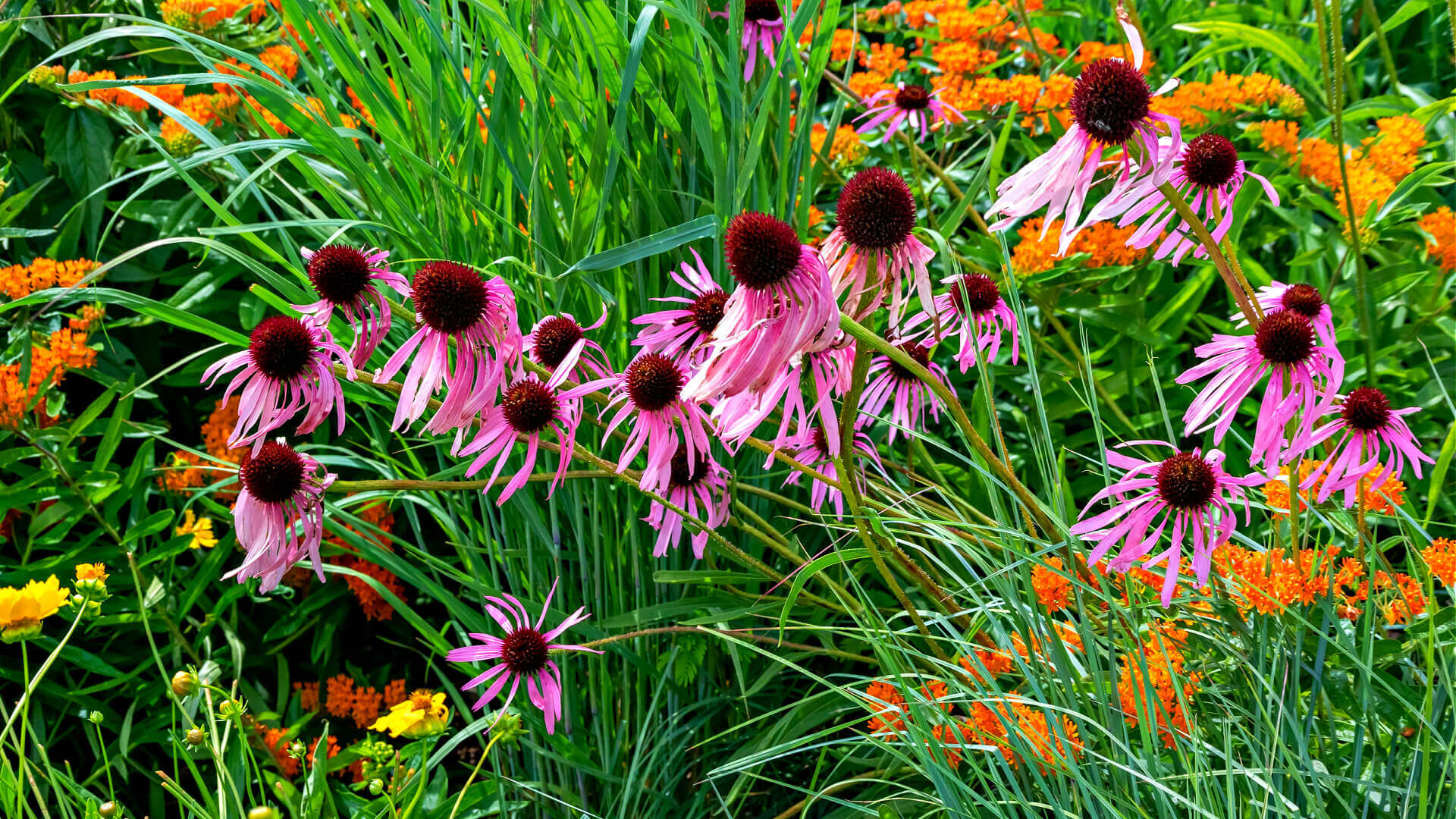
Native plants can cut your yard's water use in half when established․ They are less susceptible to the pest and disease problems that threaten non-native ornamentals‚ and they provide the food that local pollinators have evolved to depend upon for their own survival․ For Tennessee homeowners‚ this means fewer trips to the garden center to pick up fungicides‚ less water use in July and August‚ and a lawn that could actually support the Southeast's bees and birds and butterflies․
But this isn't fringe gardening․ It's a return to what worked before we went modern by importing plants bred for other climates and hoping they would thrive in ours․
Why Native Actually Matters (Beyond the Marketing)
Because Tennessee is a USDA hardiness zone range of 6b to 8a‚ our native plants have already figured out how to deal with months of humid summer‚ heavy clay soils‚ and winters that can range from mild to a hard freeze in a matter of days․ A coneflower native to Middle Tennessee doesn't need you to amend the soil or baby it through a dry August in order to thrive because it's already built for that․
Compare that to a Pacific Northwest-bred hydrangea‚ which may survive but sulks through the humidity‚ requires copious watering‚ and probably has to fend off some disease outbreak every single year․ Native plants do none of this․
The most overlooked aspect is wildlife support․ Tennessee has over 300 species of native bees‚ and many have co-evolved with certain native plants․ Monarch butterflies‚ for example‚ have heightened survival needs during larval (caterpillar) development‚ as only milkweed is their host plant․ Exotic ornamental plants‚ no matter how aesthetically pleasing‚ are often not used for food by local wildlife․ Some are actively harmful․
After the first full growing season‚ most native perennials and shrubs require no more than watering when you plant‚ no regular fertilizing‚ no spraying for fungus‚ no tender loving care during heat waves․
Building Your Native Plant Palette
Take a walk around your property at different times of day․ Note where you see the most afternoon sun‚ the water-pooling after a rain and the heavy shade from mature trees․ (This shouldn't take more than 20 minutes and save you the pain of planting sun-lovers in shade‚ or vice versa)․
Purple coneflower (Echinacea purpurea)‚ black-eyed Susan (Rudbeckia hirta) or butterfly milkweed (Asclepias tuberosa) may be planted in full sun with good drainage‚ and they will bloom from late spring until fall․ Once established‚ they can survive a Tennessee summer without additional watering as long as the spent flowers are deadheaded․
Shade:
Wild bergamot and Christmas fern fit under the dappled shade of oak or hickory trees; foamflower spreads nicely in the shade and makes a good groundcover․
For wet or poorly-drained places:
Cardinal flower and swamp milkweed both love a wet spot in your garden‚ so that low spot where nothing else grows may be just the right place․
Plant for bloom succession․ If everything blooms in June you have one great month‚ and eleven forgettable ones․ Mix early bloomers like wild columbine (April-May) with mid-summer coneflowers and late-blooming asters to extend color through October․
TN Nursery also has a good number of native perennials and shrubs that are native to this climate‚ so there is less guesswork when figuring out which plants are actually appropriate to the region and not big box plants shipped in from other climates․
Native Shrubs and Trees That Are Worth It
You could plant a shrub or tree which will take a few years to become established‚ but last for decades․ The oakleaf hydrangea‚ native to the Southeast US‚ has gigantic flowers and is not susceptible to disease․ It tolerates part shade‚ and its leaves turn deep burgundy in the fall․
Serviceberry (Amelanchier) is a large shrub or small tree that bears edible berries‚ which birds strip off in days․ The tree is covered in a solid white bloom in early spring‚ before most other trees leaf out․
For larger sites‚ American holly‚ redbud‚ and dogwood are all good native choices with a combination of structure and longevity․ Redbuds are particularly useful for poor soils‚ blooming bright pink above their still-dormant leaves in early spring․ They rarely require pruning except to remove dead wood․
For immature trees and shrubs‚ make a mulch ring at least 2 feet from the trunk in all directions‚ keeping away from the stem several inches․ Water the plant deeply once a week in the first full year‚ and then leave nature to do its part․
Moss: The Overlooked Ground Cover
Although moss is often considered a lawn weed‚ it may deserve further consideration in the shaded areas where grass fails to thrive ( under the canopy of mature trees) and eventually fails altogether․
Native Tennessee mosses like fern moss and cushion moss require constant moisture and shade but almost no care․ No mowing‚ no fertilizing‚ no reseeding every spring․ A moss patch will continue to spread and fill in‚ and soon it looks as though it had been planted there on purpose․
Clear debris and leaf litter‚ and transplant patches or inoculate with a mixture of moss spores and buttermilk (an old but effective technique; the buttermilk gives the spores something to stick to)․ Keep the area moist for the first month‚ misting if there is little rain․ After that‚ moss will take care of itself․
Moss is especially useful where a transition is taking place from lawn to woods‚ or where one has a small shady corner of a yard where grass has never thrived․
Realistic Timeline and Maintenance Expectations
Don't expect instant results‚ however - most native perennials will spend their first year building roots‚ not foliage‚ and the old gardening saying is true - """"sleep‚ creep‚ leap""""․ Plant it the first year‚ leave it alone‚ and then come back in year three and you've got a permanent planting bed․
During the first year‚ water new plantings thoroughly once or twice a week through dry spells‚ especially during the hot July-August in Tennessee․ After establishment‚ most natives need only supplemental water during prolonged drought․
You won't need to fertilize your native plants at all․ They're already adapted to Tennessee's naturally low soil fertility levels‚ and too much fertilizer will result in weak‚ leggy plants․
Getting Started
Don't feel like you need to completely garden your yard in one go․ Pick one landscape bed‚ like a sunny border or a problem shaded area under a large oak‚ and build your native plants from there as you learn what works in your landscape․ Due to Tennessee's widely varying topography and geology‚ a project developed for Nashville's clay soil may need to be modified to work in West Tennessee's sandy terrain or East Tennessee's mountains․
The payoff is a yard that gets easier to maintain each year‚ supports the wildlife that's supposed to be here‚ and looks distinctly Southern‚ rather than like a generic landscaping template dropped onto Tennessee soil․


