
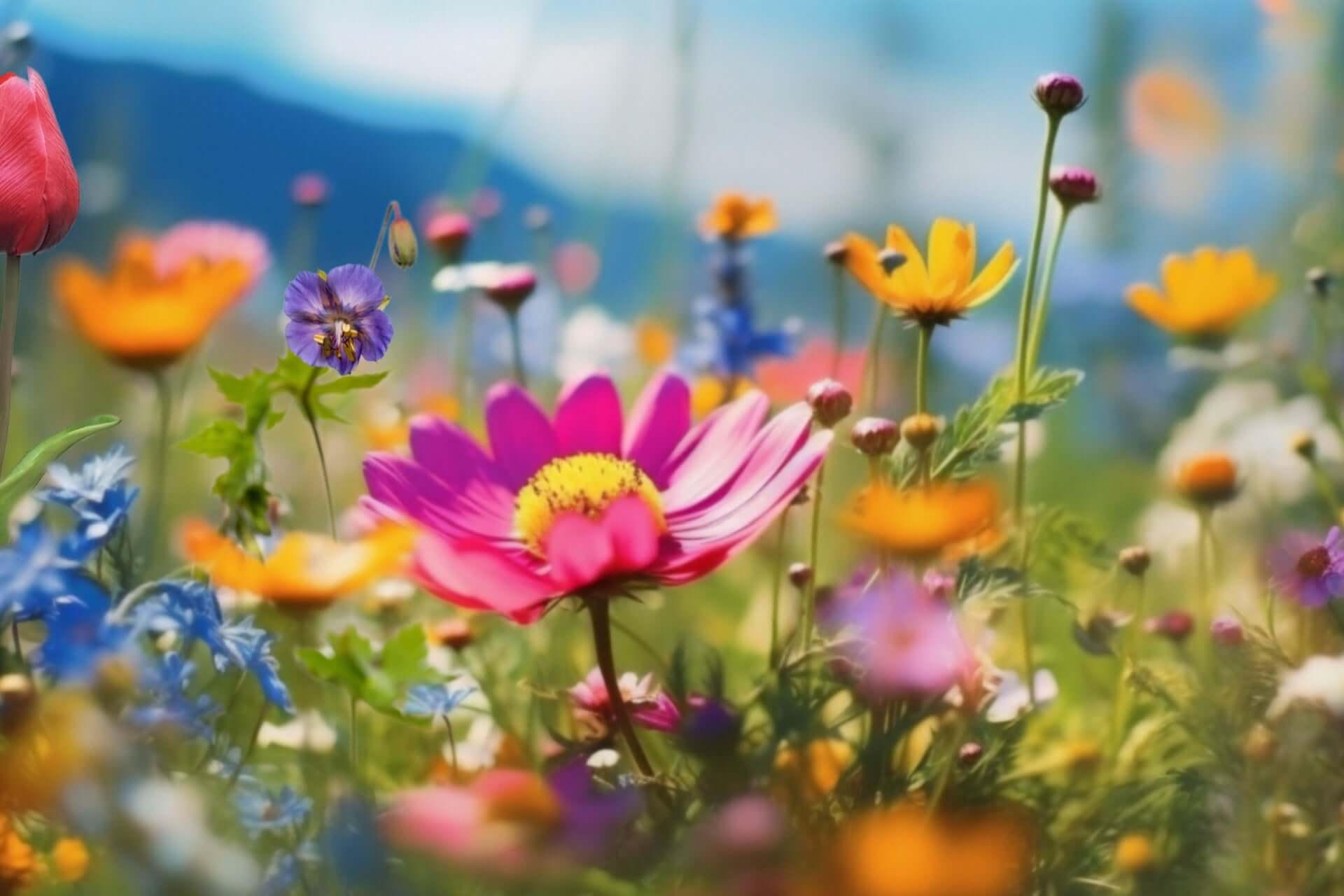
A live tapestry landscaping is a natural, soft way to place things that uses layers of plants to show colour, texture, and change with the seasons. Many species are mixed together so that each layer helps the one below it. This makes the room feel lively and always changing. This is where tapestry lawn designs and tapestry landscaping concepts really shine, bringing the patterns of nature into common fields.
Layered planting is important because it boosts root health, helps soil creatures grow, and adds organic matter to the soil. A garden with lots of layers gets stronger, healthier, and better balanced. People will learn how live fabrics work, why they're beautiful, and the easy steps they can take to make their own at home.
Blue vervain and hepatica are two plants that add soft colour and help birds and insects. When grown in layers, these plants make any season more interesting. A living patchwork garden is a peaceful area that looks natural, grows well, and attracts wildlife.
What Is a Living Tapestry Garden?
Coneflower Plant
Fitting plants in a live tapestry lawn is like putting together a quilt. The plants on top of each other add different things to the space. It has a soft, natural shape made up of ground covers, plants that are about shoulder-height, tall blooms and bushes. Similar to how woodland garden layers construct a forest floor, these layers work together. The style is cool, bright, and full of movement.
This lawn style also lets nature in. It makes the earth healthier by adding waste, organic matter and different kinds of microbes. It is easier to grow things and keep the area in good shape when the dirt is alive. Many gardeners use soft colours and simple shapes to make their outdoor spaces feel calm.
Some look for new tapestry lawn ideas for small areas of their lawn. Plants can grow naturally with either method. A living patchwork yard is a nice way for people to connect with nature. They also help birds, animals, and bees. Stacking plants is something you can learn more about from reliable sources like the Royal Horticultural Society.
Why Are Layered Gardens So Effective and Beautiful?
Each layer gives the plant a rich look by adding a different colour, shape or height. This gives the scenery a soft depth. There is peace in a garden with many levels and each level helps the one below it. This is effective when planning with the concept of woodland garden layers, where each plant has a job to play.
Living things in the soil do better when plant roots go to different depths. This adds more biological matter and improves the water balance. Birds, butterflies and many other helpful insects like to visit layered plants. They bring life to the yard and keep the plants healthy by maintaining balance.
Designers often use tapestry lawn plants to make grassy areas look smoother. Others are looking for fresh tapestry lawn ideas to fill in small gaps around walks, stones or seating areas.
Early spring flower buds precede towering summer plants. Warm colors replace summer greens in September. As its layers work together, the garden creates a delicate living fabric. Woods and fields, where things develop at varying speeds, come to mind.
How to Create a Living Tapestry Garden Step-by-Step
Check your outdoor area.
Nature
To figure out which plants will do well, look at how much light, soil, and water there is. Take note of how the natural woodland garden layers create height and depth. This helps you group plants that work well together. Adding rich compost or organic matter to the soil prepares it for healthy root growth.
Pick trees that are low, middle and tall.
To make a soft movement, choose soft ground covers, mid-height flowers, and larger plants. You can fill small lawn areas with tapestry lawn plants. It will feel more natural if you mix colours and patterns. Let plants grow slowly so they can make patterns on their own without any clear lines.
Add artistic elements to showcase your own style.
Think of tapestry lawn ideas that work in your yard, like combining small flowers and soft herbs. Use paths, stones, or logs to direct the eye. This makes it easy to keep the space clean and helps the layers mix together nicely. For this style, leave space for wildlife because it lets nature into the yard.
Best Plants for Layered, Naturalistic Gardens
Hepatica
This soft spring plant adds soft colour to the garden early in the year. It does best in shady places and blends in well with natural layers. Hepatica does well with ground covers that spread slowly and adds beauty to any living design. It also looks good in patchwork lawns, where the small flowers make the grass feel soft and smooth.
Blue Vervain
Blue Vervain is a tall summer plant with thin purple flowers that draws butterflies and helps soil life stay healthy. It gives the top parts of a natural yard more height. It can be a strong feature in tapestry gardening when mixed carefully, giving movement and soft colour.
Low-growing ground covers
Plants that look like grass, growing thyme or mini violets fill in empty spots and make small, natural patterns. They hold water in the soil, provide food for soil life, and prevent weeds from growing. With their soft forms, these plants look good at the base of bigger plants.
Mid-height meadow plants
For summer beauty, add plants like asters, coneflowers, or yarrow. Their roots help different kinds of microbes live in the dirt and make it smoother. They look good with ground covers and higher plants, and they add warm colour in late summer and early fall.
FAQs
What is a living tapestry garden?
It's a natural way to plant that uses multiple layers of plants to create soft designs, healthy soil, and beauty year-round.
How do layered gardens work?
Different heights of plants are used so that their roots, stems, and leaves can all help each other. This is excellent for the land and the animals.
What are the best plants for layered planting?
Perennials
A mix of low-lying plants, flowers that reach about shoulder height, and tall plants, such as Hepatica and Blue Vervain.
How do you maintain a living tapestry garden?
Add compost, let plants grow and spread out on their own, light trim and add more organic matter to keep soil organisms busy.
Why choose naturalistic planting styles?
Hepatica They reduce stress, are good for wildlife and make places that feel calm and close to nature.


