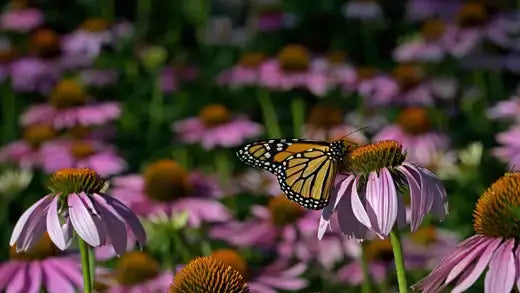
Creating Wildlife Habitats
Increasing urbanization and a warming planet mean that using plants that grow in a region is more important than ever․ And there is no better way to create vibrancy and sustainability that fits in the context of local communities and ecosystems than using the plant life that already exists there․ Native plants are defined as plants that grew naturally in a given area before the introduction of species by human beings․ Landscaping with native plants is one of the best things people can do for biodiversity‚ the ecosystem‚ and the aesthetics of their surroundings․ Ultimately‚ applying this form of gardening means understanding how to make wildlife habitat from native plants․
Landscaping using native plant species can create wildlife habitats․ Since native species are adapted to particular regions‚ they are often host plants and food for birds‚ insects and other small animals to thrive in urban or suburban environments․ Other plant examples include wildflowers that attract bees‚ and dense shrubbery that acts as a nesting site for birds․ These interactions also increase biodiversity‚ which is essential to a healthy ecosystem․ Native plants‚ for instance‚ provide natural habitat and function․ By using what is found‚ to some extent‚ in nature‚ rather than a manufactured‚ generic landscape‚ gardens can serve the wildlife of the region better․ They can also provide humans with the more spontaneous sounds and movements of nature‚ such as birds‚ butterflies and bees in their own environment․
Besides providing food and habitat for wildlife‚ native plants tend to be more resilient in their natural environments than their introduced counterparts․ This resilience means that in many cases this native vegetation can thrive without receiving supplemental irrigation‚ herbicides‚ pesticides or other inputs‚ making them ideally suited for sustainable landscaping․ Native plants are already adapted to the local soil and climate and often have deep root systems‚ giving them a natural advantage with drought․ Landscaping with native plants requires less maintenance‚ including less need for water and fertilizer because plants are adapted to local ecology and climate․ Reducing the need for these materials reduces the time and expenses of maintaining the landscape‚ and lessens the negative environmental effects of customary landscaping practices․
Attracting Pollinators Effectively
Attracting and supporting pollinators is one of the most common reasons for creating a native plant landscape․ Pollinators are one of the most important animal groups in the fertilization of flowering plants and include bees‚ butterflies‚ and some birds․ They are easily attracted to a native plant planted area․ These species are in fact producing nectar and pollen well suited to the predilections of the local pollinator community․ Such colored patches of native plant material can be created by gardeners to provide a refuge for those plants․ This not only leads to increased diversity in the ecosystem but adds production value to other garden plants․ Pollinators are important to the planting and harvesting of fruit and vegetable gardens․ Therefore‚ as we consider how to better maintain and preserve pollinator species and their populations‚ landscaping with native plants can help homeowners to better engage with and understand the natural world․
Once established‚ natural areas with native plants are often easier to maintain than landscape areas․ Native plants are well-adapted to local growing conditions‚ often requiring less water‚ being more resistant to pests and disease‚ and therefore requiring fewer chemical pesticides to maintain them than other landscape options․ This can lead to a more naturalistic approach to gardening‚ where natural forces such as timing and predator population control‚ or the periodic maintenance required by activities such as selective pruning or deadheading‚ without the constant demands of maintaining exotic plant species‚ can allow the homeowner to have a low-maintenance but visually appealing landscape at home․ This in turn allows the homeowner to spend time enjoying their landscaping‚ with gardening being reconceptualized as a pleasurable activity rather than a laborious one․
Maintenance of Native Landscapes
Moreover‚ using native plants in landscaping strengthens climate resiliency․ Native plants are often better suited to withstand the extremes of drought and heavy rain that climate change can worsen․ Plants that are native to a certain area are more likely to survive and thrive in it․ As native plants replace pavement back to their natural conditions‚ soil erosion is reduced and the ecosystem is positively impacted․ Possessing deep roots and the ability to build up soil‚ these plants present an advantage beyond their beauty․ Landscape architecture‚ when applied to native plants‚ can help create a landscape resilient to climate change․ This is an indication that landscape architecture is beginning to realize that it may have obligations to also help influence the future landscape․
In conclusion‚ landscaping with native plants helps to benefit the environment‚ create habitat for wildlife‚ and improve the sustainability and aesthetics of homes․ These traits help to make native plants a valuable component of the solution to many of today's environmental problems‚ including those in urban areas․ Far from just planting pretty flowers or shrubs‚ this garden design actively participates in the deliberate restoration‚ resilience‚ and celebration of the local ecology․ By making room for these species‚ we are learning how to live alongside them‚ working with nature not against it‚ and forming a bond between the built and natural world․ What we are ultimately doing is building a world in which biodiversity thrives‚ communities flourish‚ and landscapes are not lost‚ for future generations to learn and appreciate the world around them․
