
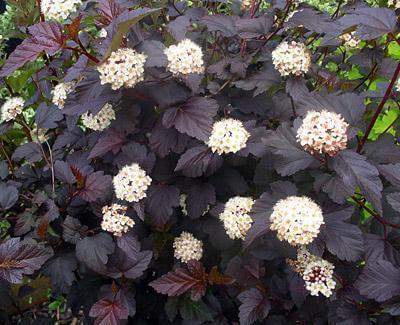
Gardening and landscaping are a world of possibilities․ Gardens are a canvas to express creativity‚ live sustainably and enjoy nature․ Gardens can take different forms from lush and colorful flowering gardens or wild flower gardens․ You can create a beautiful garden‚ no matter how small or large your space is․ With a little preparation and a love of nature‚ it is possible to transform your garden into a quiet‚ peaceful place to unwind‚ and also a quality home for a host of wildlife․ This section guides you on landscaping and gardening ideas such as using native plants‚ creating wildlife friendly gardens‚ color choices‚ growing edibles and maintaining a sustainable garden․
Benefits of Native Plants
One of the greatest benefits of native plants is that they are well adapted to the local climate․ Native plants are those plants that have existed in a certain area long enough to have adapted on their own to that environment․ Some native plants require less water‚ fertilizer‚ and pesticides than exotic plants‚ and create less demand for resources․ They also add to the region's biodiversity and provide food and habitat for birds‚ butterflies‚ bees‚ and other wildlife․ When a planting looks like this‚ where the plants are all waving together in the wind your garden is a self-sustaining ecosystem that positively contributes to the environment‚ it's good for your soul․
While you may not have the space or inclination to create a backyard wildlife garden‚ with just a few small steps‚ you can create areas of your yard that will be good homes to wildlife as well as good for your garden․ Birdhouses‚ bat boxes‚ and bee hotels can be added to your garden‚ as well as a feature for water‚ such as a bird bath or small pond‚ to attract more wildlife into your garden․ There is a particular joy in seeing a hummingbird dip its beak into a flower you planted‚ or a family of frogs move into your pond․ Creating a wildlife garden can be a way to contribute to making up for the damage and loss of animal habitats caused by urban development․
Color Schemes for Flower Beds
Color schemes can be as dramatic in the garden: a single flower bed can become a work of art with each color having its own story to tell‚ e․g․ with annual plants alongside perennials‚ creating changing bouquets throughout the year (e․g․ big sunflowers in the summer‚ little lavender in spring‚ and happy marigolds in autumn)․ Different color schemes will create different feelings․ The red‚ orange‚ and yellows that are used in many warm color schemes‚ will create feelings of excitement and warmth‚ while colors like blue‚ purple‚ and lavender will have a calming effect․ For both ornamental and ecological reasons‚ a garden could also incorporate flowering plants of several types into a garden to increase the amount of biodiversity and pollinators in a garden while also providing one with a beautiful scene․
Gardening with edible landscaping appeals to those who wish to grow their own food in a landscape that is at least as beautiful as a conventional landscape․ Edible plants can be used in decorative plantings in flower beds and in a kitchen garden․ Imagine walking into your garden and picking a strawberry off its green vine‚ or a few basil or rosemary leaves off their plants‚ and throwing them on your plate for dinner․ Edible landscaping gives you both sustainability and fresh produce awareness․ You could make the garden themed‚ such as a Mediterranean herb garden‚ or a taco garden‚ with tomatoes‚ peppers and cilantro‚ that would be used together or a fun place to gather․
Sustainable Gardening Practices
Sustainable gardening includes working in harmony with the environment‚ avoiding the use of manufactured synthetic chemicals‚ composting‚ and practicing organic gardening․ Mulching beds can help to retain moisture and suppress weeds and rainwater collection systems can provide the garden with characteristically free water for use in dry periods․ Companion planting can help with pest control without using pesticides‚ and it can also help to build soil structure‚ fertility‚ biodiversity in the garden‚ all of which help us to achieve our obligation to leading a more sustainable life․ Everything you do in the garden counts for or against what you are trying to achieve‚ not just for you but for generations after you․
The garden is more than a patch of dirt․ It is a wonderful way to express your personality‚ your values‚ and your love for your environment and the world․ Using native plants that are hospitable to wildlife‚ with considerate color choices‚ planting edible plants and using environmentally friendly gardening practices‚ you can make your garden both pretty and useful․ Through the process of gardening and landscaping you can cultivate a closer relationship with the natural environment and create a space for wildlife and a place to plant‚ and to develop a stronger connection to the surrounding world‚ an experience where you can be in touch with nature․ A garden is waiting to bloom‚ to be experienced and to share its beauty with others․


