
Keeping Your Plants Safe From Pests
Difficulty and frustration, and sometimes all out defeat, can come from unwanted guests. The damage pests and insects impose on your plants(especially their leaves, stems, and roots) and potential culmination of diseases throughout your plants can make maintaining a garden a nuisance.
Watching your plants close at hand and frequently is always a good idea. Being proactive like this helps infestations of pests get dealt with before it is too late, and your plants suffer damage. How to protect your plants from pests includes a network of prevention, supervision, and on time responses and with the right facilities you can keep your garden organisms healthy and functioning.
Identifying Enemy Combatants. Pests and Damage
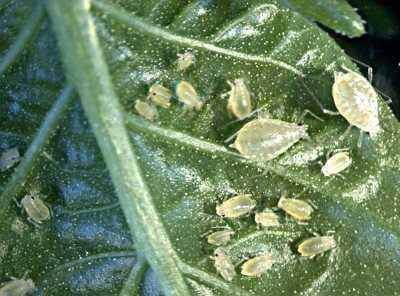
To protect your plants, you must first understand the potential opponents you will have to deal with. Damage to plants and the living organisms that make up the plants will come from both the plants and other pests. For example, plants can have leaves that get holes in them. Other plants can damage the health of the plants by dehydrating them by sucking sap. Aphids, snails, spider mites, and other beetles attack the plants and are other common pests that will damage your garden.
While tending to your garden, you might consider setting what is referred to as an acceptable pest level.' It is next to impossible (and often damaging to the environment) to expect to get rid of pests entirely. The desired outcome is not to kill every single pest, but to manage them effectively. If there are just a couple of leaves that have been nibbled on, that is an indicator that your garden is healthy. Oftentimes, a balanced ecosystem can uphold a small pest population without encountering any threats. The most important thing to look out for is when that pest population starts to grow rapidly, as that is when most plants can get damaged.
Integrated Pest Management (IPM): An Ecological Approach
One of the best and most environmentally friendly of these is Integrated Pest Management (IPM). This approach does not only focus on chemical pesticides. It uses a combination of approaches in order to manage pests in a more sustainable way. IPM is about making a series of rational choices over a period of time in order to lower the level of pest populations, to an acceptable level while negative effects on people and the environment remain minimal.
Core tenants of IPM are:
Preventing
The most effective and easiest approach to plant pest control is to prevent the pests from being a problem in the first place. This can be accomplished by choosing pest and disease resistant plants, selecting appropriate plants for your growing conditions (soil, water, and light availability), and creating a favorable growing environment. When plants are healthy, they are naturally more resilient to any pests.
Monitoring
Check on your plants often. Check for problems. Look under the leaves, around the stems, and in the dirt. Early detection of pests allows for a more refined and less complicated garden pest control method.
Intervention
Action should be taken when the levels of pests present become intolerable. IPM focuses on avoiding chemical measures first. This could mean removing larger pests like caterpillars by hand or forcibly spraying spiders off plants with water. If those methods of control fail, the use of biological control measures (introducing good bugs) or, as a last resort, use of a targeted, lower impact pesticide could be brought into the picture.
Building a Resilient Garden with Smart Plant Choices
Other gardens can be made a lot more resilient through the choices of plants.
One of the best preventative measures is choosing plants that are best suited for the local set of conditions and are also naturally resistant to common pests. TN Nursery has a selection of diverse, vigorous perennials that can be the foundation of a resilient garden for all.
Popular Perennials and Their Strengths
Poppy Plants (Papaver)
Poppies (Papaver) are low maintenance and not typically bothered by many garden pests. Their vibrant color and unique, paper-like petals are a great way to make your garden stand out. This deep-rooted perennial loves full sun and well-drained soil. Furthermore, they can be great to include with other plants in your garden because their hairy stems and leaves can deter some chewing pests.
Blue Lobelia (Lobelia siphilitica)
Also called Great Blue Lobelia, this native perennial has stunning blue flower spikes in late summer. They attract hummingbirds and butterflies, and are largely ignored by deer and rabbits. Slugs can be pesky in very wet situations, but good airflow and dry soil tend to keep them at bay.
Virginia Bluebells (Mertensia virginica)
This ephemeral Ferns wildflower always delights in the spring, showing off its clusters of trumpets that go from pink to blue. It is usually pest-free. It goes dormant in late spring, with foliage dying back to the ground. This means they are out of summer’s sight, and summer pests as well.
Trilliums (Trillium spp.)
These elegant, unique woodland Virginia Bluebells flowers are famous for their floral arrangement of 3 petals and 3 leaves. They thrive in the shade with ample moisture, and good drainage. In general, they are pest-free, but deer and slugs can be threats. Adding other plants that deer don't like, can keep them protected.
Adding these tough and adaptable plants is the best way to create a more self-sufficient garden.
Practical Techniques for Pest Control
Once systematized, there are some more active issues, and some active strategies can come into play.
Physical and Mechanical Methods
These strategies include the detection and removal of the offending organism.
Hand Removal
This can, however, be rather tedious and labor intensive but can also be quite successful. For example, some larger pests like the horned fly and some beetle species can be plucked from the plant and dropped in soapy water for disposal.
Water Spray
As far as pest removal by water killing is concerned. It can be done by a very strong jet of water. It is very effective at the dislodging of small pests like aphids and spider mites. It can also remove small pests like aphids and spider mites. So if pests can be regularly removed every so days, one should aim to be as nice to the pests as possible. Removal of pests can be done every few days and one should try to be as nice to the pests.
Monitoring and Control Traps
Yellow sticky traps are great for monitoring and controlling many of the insect fly pests such as whiteflies and fungus gnats. Also, a shallow dish of beer can be a surprisingly effective trap for slugs and snails.
Exclusion
Very large pests like deer, rabbits and groundhogs can be easily and effectively controlled with Susceptible port Physical Barriers. For example, a good solid fence can be a valuable long-term investment. For the smaller pests, row covers or netting can be used to protect vulnerable seedlings and crops.
Biological Controls
This approach is using ladybugs, lacewings, and other helpful insects that feed on aphids, mites, and caterpillars, potentials for self-regulating systems. Attract them with flowering and herb plants, dill, fennel, and yarrow.
Find Your Perfect Plants Today
Starting a garden for beauty and pest resistance relies on high-quality plants. We set a healthy garden ecosystem with strong plants like the vibrant Poppy and elegant Trillium. TN Nursery offers a range of perennials, trees, and shrubs, living to build thriving gardens.
Visit TN Nursery and get the right plants for your landscape and start a more beautiful and resilient garden!
FAQs
What is the best method of protecting plants from pests?
Integrated Pest Management (IPM) is the best method. Healthier plants, minimal intervention, and pest control at the most toxic of methods are used while prevention, and monitoring for issues early.
How do I stop bugs from eating the leaves of my plants?
After finding out what bugs are in your garden, some of the larger bugs like caterpillars can be picked out by hand, while for smaller bugs you could try getting a strong jet of water to spray them away. You can also put out row covers, or you can set out some of the beneficial bugs that are designed to eat the pesky bugs that are causing the damage.
Can Dawn dish soap be used as an insecticide?
If the soap does not contain a bleach, a cleanser, or some other degreaser which might cause damage to the plants, and if the soap is tested in a limited area of the plant, an insecticidal soap can be made from a diluted solution that contains Dawn dish soap. The soap will attack the exoskeleton of softer-skinned bugs like aphids or mites.
What is a natural pest repellent for plants?
Plenty of plants help to keep bugs away from the other plants. Fragrant herbs like rosemary, mint, and basil are really good at keeping away a decent variety of smaller bugs. While marigolds are really good at keeping away bad soil-nematodes, some bugs like pyrethrins in chrysanthemums have a more direct and deadly effect. It is really helpful to plant those around the other plants in your garden.
Do coffee grounds keep bugs away?
Used coffee grounds seem to repel certain pests. The main ones being slugs and snails. Their acidity and rough texture seem to keep them away. Sprinkling a ring of dried off used coffee grounds on the perimeter of your plants may keep some of the pests away. The spent coffee grounds might also add some nitrogen to the soil as they break down.
Can I spray Dawn and water on my plants?
You can as long as you take extra care. A standard amount to a gallon of water would be 1-2 teaspoons of mild dish soap. Obviously, you are gonna want to use the original blue Dawn, the kind without the bleaches and degreasers. The soap needs to be sprayed directly on the bugs you want to kill. Just be careful not to spray on super bright hot days or on the leaves directly in the sunlight. The leaves can burn from the hot soap water.


