

When plant seedlings are planted correctly, you provide the basis of successful commercial forestry, orchards production and conservation initiatives. Planting tree seedlings for large-scale purposes must be planned, have efficient operational processes and stock of high quality which can survive the needs of mass planting. In TN Nursery, we provide nursery-grown seedlings which are in great demand because of their hardiness, adjustability and survival in the production environments.
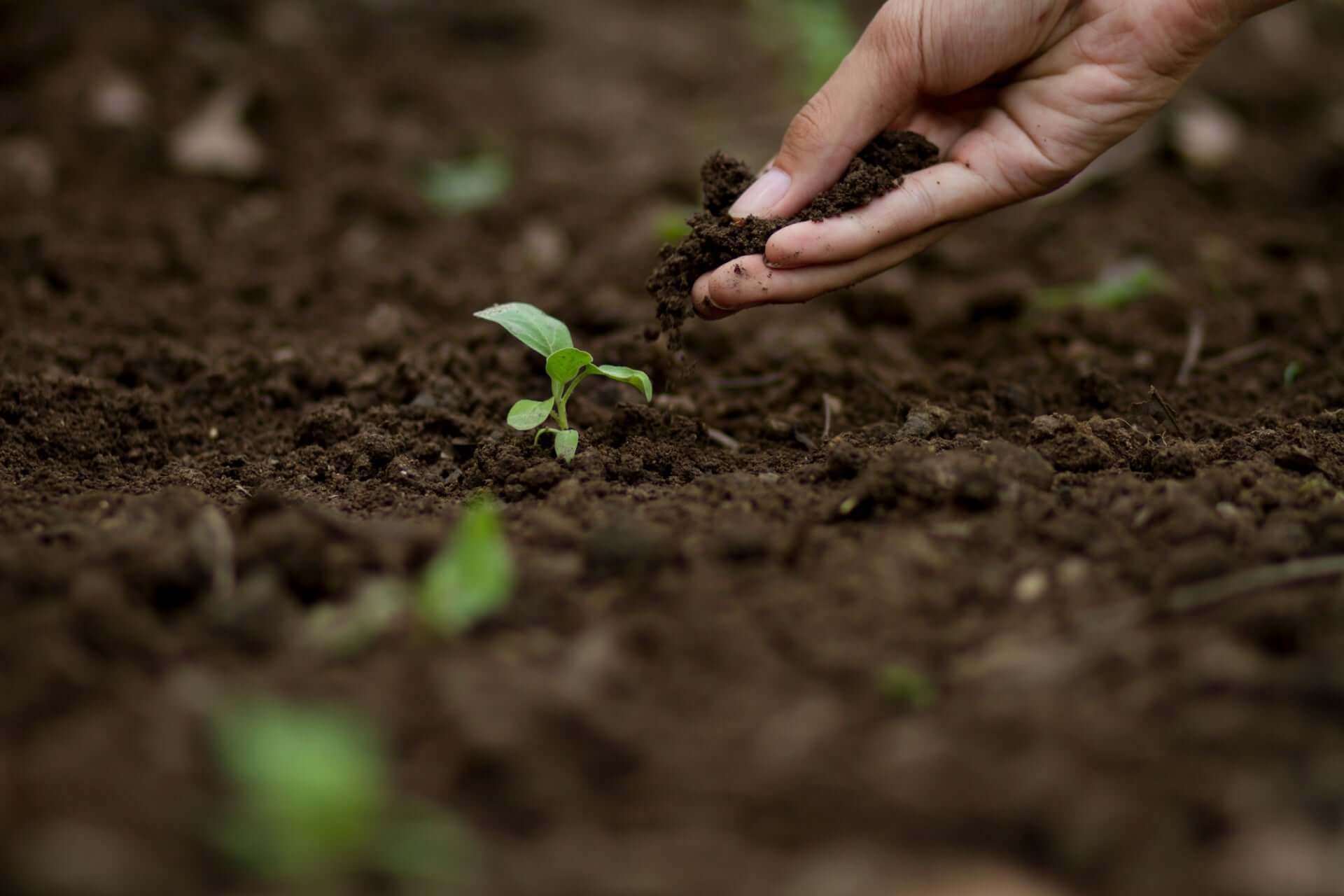
It may be a timber business, replenishing native forests, or a hunting ground on hundreds of acres of prime acreage, knowing how to plant tree seedlings and handle it to install them in the best way to provide a full yield on your investment. Professional growers and conservation managers are using time tested techniques that balance both efficiency and health of the plants resulting in landscapes that are sustainable over generations.
What Defines Large-Scale Seedling Planting?
Large-scale seedling planting entails the planting of hundreds to thousands of young trees on very large areas of land in the commercial, conservation or restoration of the land. In contrast to backyard gardening, the operations focus on efficiency, standardized practices as well as being cost-effective without compromising on tolerable survival rates.
Growing trees from seedlings at a large-scale will involve systematic processes. Effective procedures use standard spacing patterns, organize planting crew work effectively and install at the most favorable weather patterns. Healthy seedlings are maintained through proper logistics since nursery delivery to final installation.
Machinery depends on the size of projects and landscape. Small businesses would use such hand tools as dibble bars and planting shovels, whereas large business enterprises use mechanical tree planters, which plant thousands of seedlings each day. No matter the equipment used, it is important to keep the planting depth and placement of the roots in place to achieve success in establishment.
TN Nursery is aware of these requirements of operations. Our plants seedlings are delivered in an appropriate graded, packaged and bundled format to make it easier in the area of massive planting to reduce the amount of labor spent and ensure the fragile root systems remain intact.
Choosing the Right Seedlings for Production Success
The choice of species has a direct influence on the outcome of the projects. The right seedlings for growing trees from seedlings in the right sites combined with right climate zones and production outcomes avoids the expensive failure and allows the company to survive in the long run.
-
Corn
- Berries Climate and Hardiness: Choose your own species based on your local USDA hardiness zone. Native species normally take a shorter time to set up and they also demand less upkeep as compared to exotic species. Take into consideration the temperature extremes, precipitation and seasonal changes when making a choice.
- Soil Compatibility: There are certain soils that are compatible with certain species. Certain of them can withstand clay, others must have well-drained sandy loams; pH requirements are highly diverse as blueberries are acid-loving and most of the hardwoods can tolerate a neutral or a slightly alkaline soil. Before placing an order on plants seedlings, conduct soil tests.
- Production Timeline: Fast growing species such as hybrid poplars grow fast to commercial size, but can compromise wood quality. Hardwoods with lower growth rates such as Bur Oak Seedlings are not fast but yield timber that is valuable. Calculate match growth rates based on your financial plan and management goals.
- Bare root vs. Container Stock: Bare root tree seedlings are cost effective when it comes to large size plantations. These dormant seedlings are shipped without soil and this helps in cutting down the transportation expenses and the plant's seedlings can be handled easily. Container-grown stock is more expensive, however, prolongs planting periods and possibly develops quicker in adverse circumstances.
- Wildlife and Conservation Value: Habitat building projects enjoy the advantage of selecting a variety of species. The Persimmon Seedlings are good wildlife food as it is an excellent mast food source to deer. Chinese Chestnut Seedlings grow with many nuts that nourish many species of animals and they are not susceptible to blight which wipes out the American chestnuts.

The knowledge of TN Nursery in the field of native tree propagation is the guarantee that you will get vital plant seedlings with a well-developed root system. Our stock has genetically diverse parent trees and this will ensure adaptability and resistance to diseases in your planting area.
How Should Soil Be Prepared for Mass Seedling Installation?
Early growth success and survival are greatly enhanced by proper preparation of the site. Although the intensive preparation is appropriate when the project is small, large-scale operations can reconcile thoroughness and economic reality.
- Site Assessment: Walk the site identifying drainage problems, rival flora, and soil variation. Mark on the plan areas that require attention--wet grounds needing drainage facilities, dense ground that needs subsoiling or steep lands that are subject to erosion. This is an evaluation that directs preparation plans and species placement.
- Vegetation Control: Eliminate plants that compete before planting tree seedlings. The established grasses, brush and weeds take away moisture and nutrients needed by the seedlings in the critical establishment seasons.
- Soil Amendments: Native species do not require amendments, the degraded sites can be improved with the additions of organic materials. Add compost to enhance the soil structure, water retention and microbial diversity. Fertilize sparingly--trees native to the area were adapted to relatively low-nutrition levels and more nitrogen leads to poor, easy-to-infect development.
- Drainage Enhancements: Standing water kills most of the tree seedlings. Install tile drainage systems, berms or ditches in poorly drained regions. Or choose moisture resistant species such as willows or American Beech Seedlings where there is wetness.
Selection of planting Method:
Select techniques that are within your scale and budget:
-
Hand planting: This involves the workers making individual planting holes with dibble bars or shovels. Intensive and appropriate in the case of small projects and rough terrain.
-
Mechanical Planting: Tractor-mounted tree planters make furrows, plant seedlings and seal soil all in a single pass. Very effective on cleared ground that is fairly smooth.
- Auger Planting: Power augers were used to dig individual holes. Quick, and high quality control, compared to some mechanical systems.
Proper steps of planting tree seedlings include a number of essential steps.
Plant holes that do not bend or round. The root collar has to be planted level with the ground- too deep roots were suffocated, too shallow they were exposed to drying. Stamp out air pockets with roots by packing soil firmly around the roots. Water well, post-installation to settle soil and root to soil contact.
At the Conservation Practices standards portal, the USDA Natural Resources Conservation Service also includes specific technical advice on conservation tree planting, including regional advice depending on the usage.
TN Nursery Seedlings of Commercial and Conservation Projects
TN Nursery focuses on supplying quality seedlings that can be used to satisfy the intense applications of huge proportions. Some of the species that will be included are those that are proven in commercial and conservation applications.
- Witch Hazel Seedlings: Witch Hazel is used as a dual plant: as an understory plant in forest restoration and as the extract which is used commercially in extract markets. This is a native shrub, which is shade tolerant, blooms with distinctive flowers during winter, and aids native pollinators.
- Chinese Chestnut Seedlings: The Blight resistant Chinese Chestnuts have potential to be grown in the orchard and have benefits to wildlife. These fruitful trees start giving fruits after 3-5 years and give income during their growth. Their canopies have a great habitat of wildlife.
- Bur Oak Seedlings: Bur Oak is resistant to drought and long lived and is used in reforestation and timber work. This indigenous hard wood forms deep taproots tapping the under soil moisture which keeps it alive during dry seasons. Older trees give bear to giant acorns that withstand various wildlife.
- Persimmon Seedlings: Native persimmons grow in a great range of environments including bottomlands and uplands. Their fruit is the attraction of deer, turkeys, and many more. Persimmon has the advantages of flexibility and the low maintenance costs that commercial growers enjoy.
- American Beech Seedlings: American Beech is recommended as the best choice when focusing on restoring the forest with the native diversity as it has dense shade, is a food source to wildlife and a timber source over the long-run. These seedlings grow well in partial shade thus making them viable to be under planted in the existing forests.
Every TN Nursery seedling is subjected to stringent quality control with some of the TNs having healthy root systems, well conditioned dormancy, and disease free. Bare root tree seedlings are delivered at the best time in your area to achieve maximum success with planting.
Conclusion
Plant seedlings successfully on a large scale through proper choice of species, preparation of the site, as well as installation techniques. Be it the commercial timber stands, native ecosystem restoration, or formation of wildlife habitat, the focus on the details in the course of the planting process predetermines the long-term results.
TN Nursery offers reliable seedlings, such as Witch Hazel, Chinese Chestnut, Bur Oak, Persimmon, and American Beech, which are specifically used in the success of large-scale planting tree seedlings. We have knowledge in nursery production and we are committed to quality which means you will have a strong stock that will survive in any harsh production conditions.
FAQs
How deep should seedlings be planted ?
The root collar of the plant seedlings should be at the ground level and the roots should be allowed to spread naturally without being bent and the stem base should not be buried.
Which spacing is best for large-scale seedling planting ?
Hardiness
Depending on species and objectives: timber production is usually 6x6 to 10x10 feet, whereas wildlife plantations can be as close as 12-20 feet between trees.
When is the best time to plant bare root seedlings?
Plant the bare root seedlings when they are in the dormancy period in late fall through early spring before the bud break, and early spring has usually the best establishment conditions.
How do I reduce transplant shock in seedlings ?
Reduce the amount of root exposure when planting, plant on cool days, and water well on the day of planting and use mulch to conserve moisture and even out soil temperatures.
Which tree seedlings grow fastest for production ?
Persimmon SeedlingsThe quickest growing trees are hybrid poplars, willows and some pines, which commonly grow at a rate of 3-6 feet per year but produce less desirable timber than the slower growing hardwoods such as oaks.
Where can I buy quality seedlings for large projects ?
Budget
TN Nursery sells professionally cultivated seedlings in large volumes that can be used in commercial forestry, reforestation and conservation planting with volume discounts.
What is the practice of growing plants on a large scale?
Production of large-scale plants entails commercial nursery, timber plantations and agricultural systems with effective methods of producing forestry, food production or restoration using thousands of plants.

