
The control of erosion and the ecological restoration of nature are some of the most effective things provided by nature itself through live stakes. This straightforward method is capable of producing useful results by planting the dormant woody stem cuttings in the open soils. At TN Nursery, our business is to provide premium native live stakes, which have good root formation and are used to prevent soil erosion and water damages of the vulnerable landscapes.
You can use live stake planting as a more environmentally-friendly and economical alternative to hardscaping in restoring a stream bank, stabilizing a slope, or improving wetland habitats. The live staking, unlike traditional methods of erosion control, forms living root networks which strengthen over time, enhance the soil structure and also offer valuable wildlife habitat.
What Are Live Tree Stakes and How Do They Work?
Live stakes are live, woody cuttings that are harvested from dormant plants that are not growing. These are cuttings that are 2 to 4 feet long and half an inch to 2 inches in diameter. They grow roots and shoots when planted in damp soils therefore becoming fully grown plantations.
This is due to the fact that some plant species possess incredible regenerative powers. Once a dormant stem cutting directly touches soil moisture, soil nutrients, it activates dormant buds along the stem. In a few weeks, new roots grow out of the part buried in the soil and new shoots grow out of buds on the surface.
This tree staking technique is vastly different to the traditional method of single tree staking where support stakes are provided after being planted. In live staking, the cutting itself forms the plant and transplant shock is avoided and roots are formed instantly in the place of permanent location. Willows, dogwoods and elderberries are some of the native plants that are well adapted to this technique.
Benefits of Live Staking for Soil and Water Protection
The many environmental and practical benefits of live stake planting make it a better strategy as compared to traditional erosion control strategies.
- tn-nursery-reviews-troy-landry Instant Erosion Control: Live stakes take the form of immediate control of soil after being installed; the control is achieved in the first growing season. Their growing root systems hold the soil particles together and reduce the runoff and block the loss of sediments into water.
- Economical Solution: Live staking uses little materials and labor as compared to riprap or concrete installations. The cuttings themselves are cheap and installation does not require heavy equipment or any special skills.
- Restoration Self-Sustaining Growth: When compared to manufactured materials, which weaken with time, living root systems become stronger every year. The plants do not need replenishment and, on the contrary, become more effective as they get older.
- Improved Water Quality: The stakes of live plants serve to filter sediments, absorb and dissolute excess nutrients and also minimize the amount of pollutants that reach streams. This natural filtering safeguards water ecosystems and enhances watershed well-being in general.
- Wildlife Habitat Creation: Native vegetation has a source of food, shelter and home to the birds, insects and small mammals. Such species as Elderberry Live Stakes yield berries that nourish the wildlife and the large growth provides a protective cover.
Live staking is a recognized conservation practice by the U.S. Department of Agriculture Natural Resources Conservation Service that can be used to stabilize stream banks. The USDA Plants Database has more information about conservation planting methods.
Preparing the Site for Successful Live Stake Installation
The correct site preparation makes your live staking project either a success or a failure. The time spent in assessing and preparing the area will guarantee maximum root establishment.
- Site Assessment: The first step would be to determine the soil moisture, texture, and drainage patterns. Live stakes grow well in soils that are constantly wet such as water features or high water table areas. It should not be in very dry or compacted areas where roots will not develop well.
- Timing Importance: Live stakes are installed at dormancy, usually in late fall to early spring when buds are still dormant. This time will enable cuttings to have roots in place when the energy requirements needed by the growth of the leaves have not started.
- Preparation of Soil: Kill out the competing vegetation without destroying the soil structure. Conserve the current soil organisms and microbial lives by not drilling the soils. This maintains positive microbes that maintain root health.
Installation Steps:
Dig pilot holes with a metal bar or a digging tool
- This is by putting the angled end of the stake in under a slight angle (5-10 degrees off vertical)
- Bury two-thirds or more of the length of the stake, leaving 2-4 buds open
- Squeeze soil tightly around all stakes to remove the air holes
- Space at a distance of 2-3 feet in rows to control erosion
Our Button Bush Live Stakes are designed so that they can be installed with the right angles of cutting and sufficient length to be planted deep.
How Do Live Tree Stakes Develop Strong Root Systems?
Learning about the root development enables you to offer the best conditions to live stake planting. It consists of a series of biological activities, which convert a dormant cutting into an active plant.
- Root Formation: During the first few weeks of spring, the adventitious roots start to develop at the layer of the cambium just below the bark. The roots grow out of the nodes on the buried stem. It is necessary to have adequate soil moisture at this important time.
- Root System Expansion: When the weather becomes warm, the root increases at a faster rate. Horizontally, fibrous roots grow in topsoil and the deep structural roots anchor the plant to tap into groundwater. This dual root structure offers erosion and drought resistance.
- Shoot Development: Buds above ground end dormancy and give rise to new shoots simultaneously with the growth of roots. These leaves initiate photosynthesis which produces energy that helps the further growth of the root.
- Mycorrhizal Associations: These are advantageous soil fungi that develop and colonize developing roots and create symbiotic relationships that increase nutrient uptake. Maintaining the available soil organic mass and compost makes these useful organisms.
This is very unlike the practice of staking tomato plants in pots whereby support structures are used to avert already rooted plants. In live staking, you are making the whole plant out of a cutting and correct installation is important to the health of the roots.
Native Live Stakes Offered by TN Nursery
TN Nursery has been supplying successful native varieties with proven root systems in diverse uses.
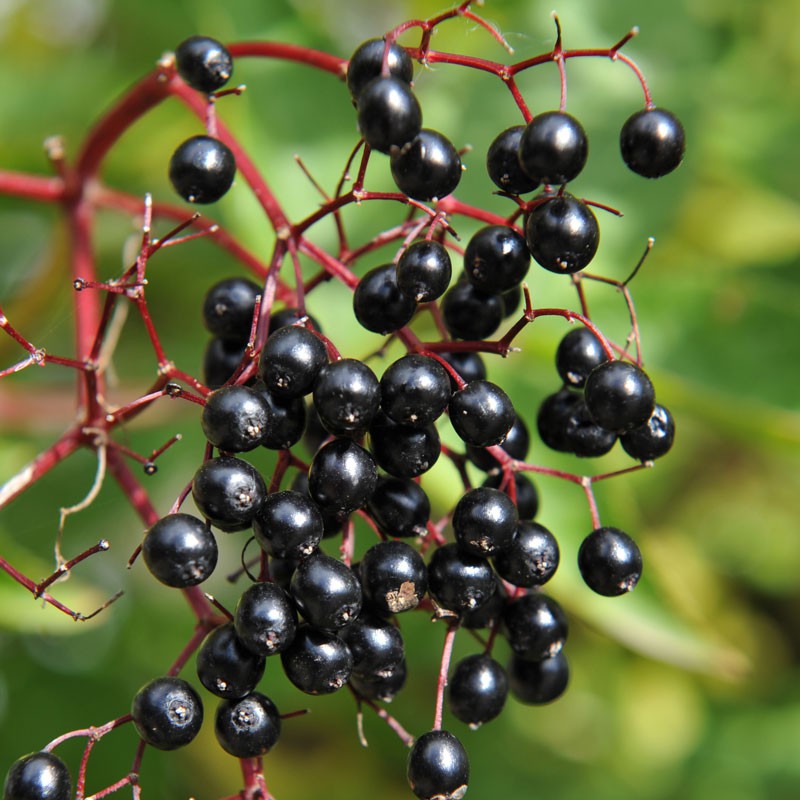
- Elderberry Live Stakes: Elderberry thrives in moist and moderately damp soils and it can withstand either sun or partial shade. This is a multi-purpose shrub bearing clusters of white flowers then dark purple berries which are the favorite of the birds. The root system is vast hence the system offers excellent erosion control.
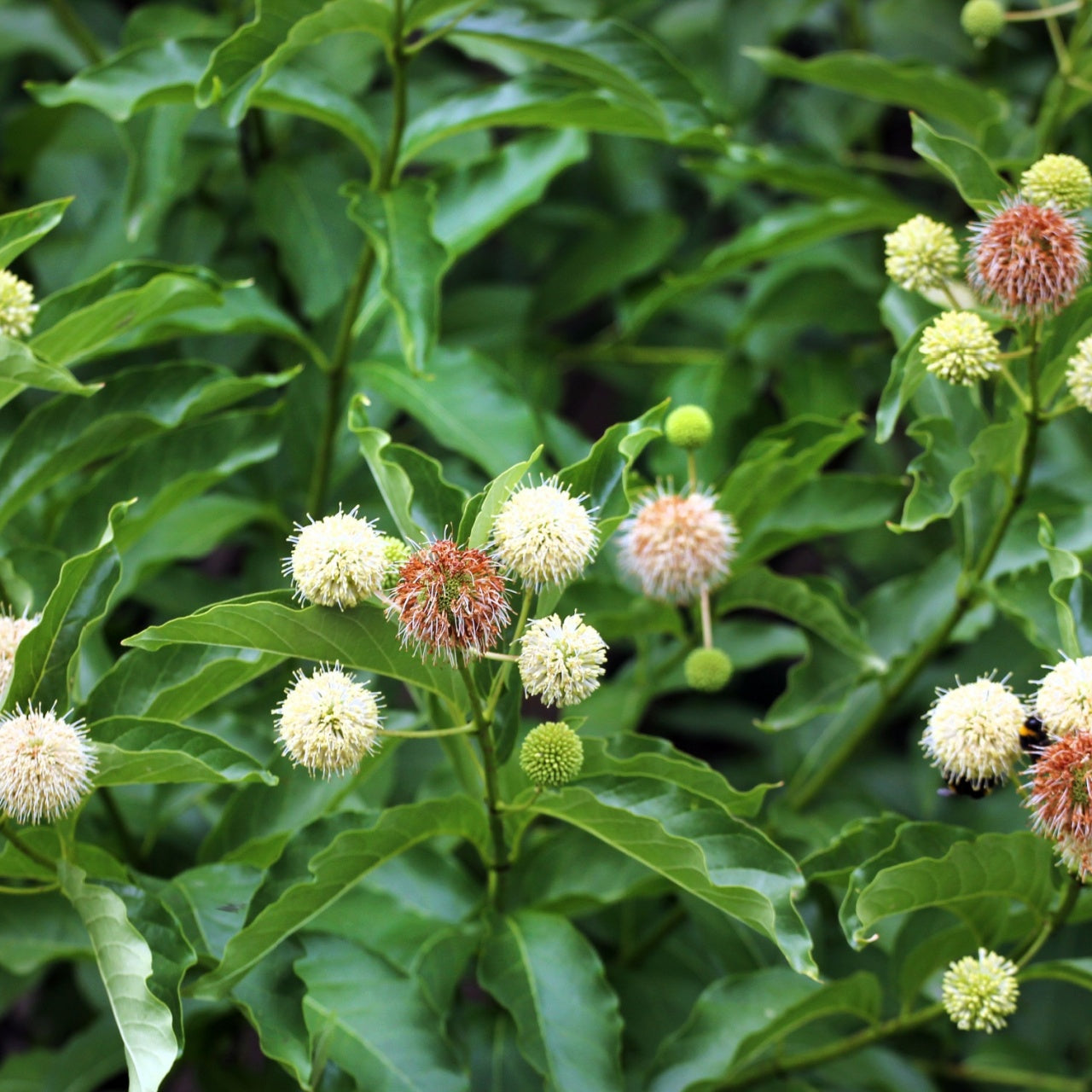
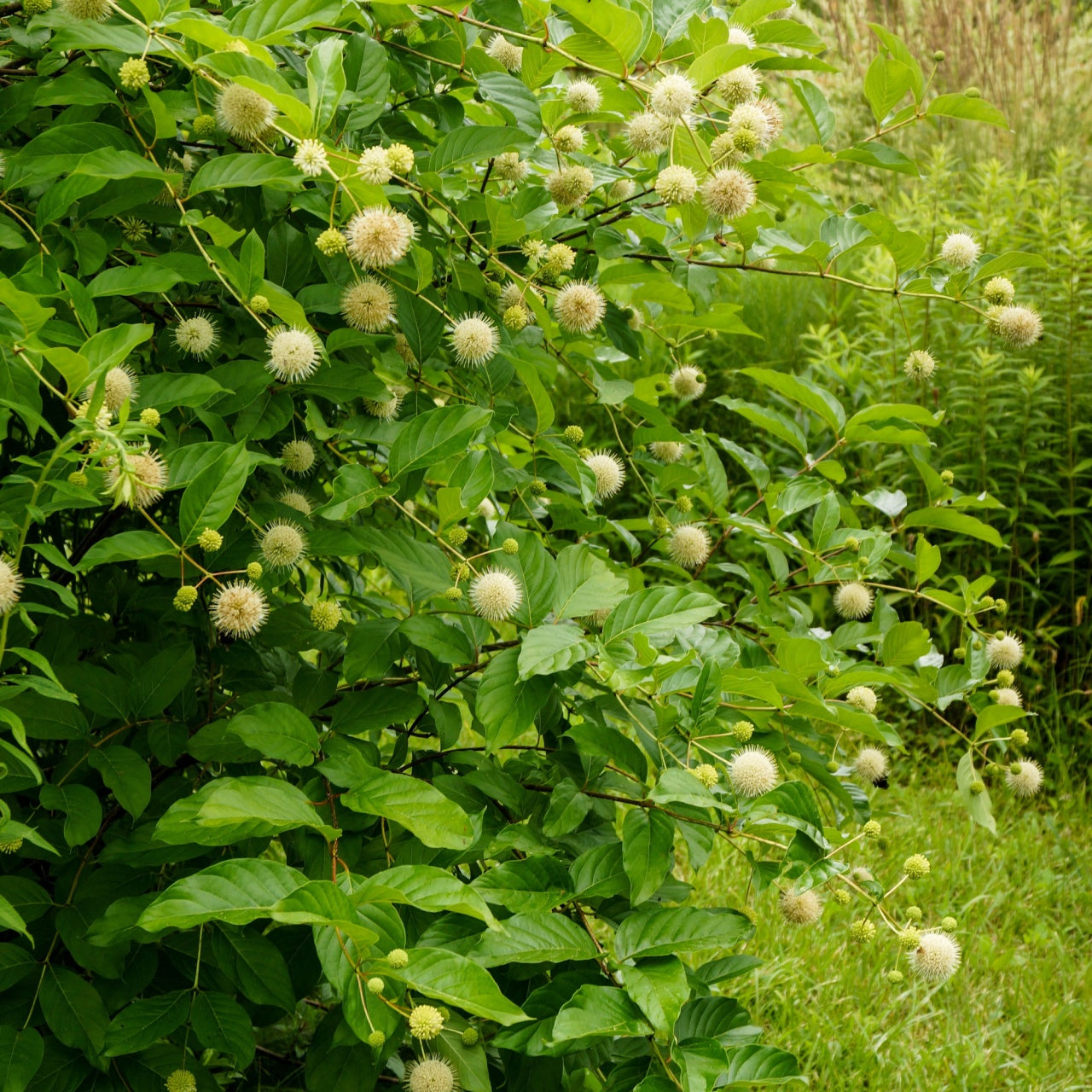
- Button Bush Live Stakes: Button Bush performs well in the marginal wetlands and seasonally flooded localities. This indigenous shrub has the ability to withstand the standing water more than most of the woody plants hence it is ideal in stabilizing the shoreline.
- Black Willow Stakes: Black Willow is one of the gold standards regarding live stakes projects. It is a very fast-growing native tree that grows remarkably well using cuttings and also withstands extensive periods of flooding. The willows have huge root systems that bind the soil particles aggressively.
- Roughleaf Dogwood Live Stakes: Roughleaf Dogwood has great erosion control as well as providing superior wildlife value. It is a flexible shrub which works in different moisture levels and has a fiber root system that effectively stabilises slopes and stream banks.
Conclusion
Live stakes offer a natural and cost-effective way to control erosion, stabilize streams and restore wetlands. This type of tree staking technique generates life root networks that enhance with time and sustain the local eco systems by utilizing the natural regenerative property of plants.
TN Nursery offers native live stakes such as Elderberry, Button Bush, Roughleaf Dogwood, and Black Willow which are reliable and good in promoting strong root and long-term success in the environment.
FAQs
What are live tree stakes used for ?
Willow
Live stakes stabilize eroding stream banks, slopes, and wetland margins and provide wildlife habitat and enhance water quality by means of natural filtration.
How deep should live stakes be planted ?
Plant posts whose stakes are not less than two-thirds covered in the earth, when they are 18-30 inches deep, leaving only 2-4 buds above ground.
Which plants are best for live staking projects ?
Native willows, dogwoods, elderberries, and button bushes do well because they have the innate capacity of growing out of dormant cuttings in wet environments.
When should live tree stakes be installed ?
Plant in dormancy late fall till early spring before bud break with early spring often offering the best establishment condition.
How long do live stakes take to root ?
The formation of the first roots takes place in 2-4 weeks following spring set-up, and the root systems are developed substantially during the first growing season.
Where can I buy quality native live stakes ?
TN Nursery has Elderberry, Button Bush, Black Willow, and Roughleaf Dogwood live stakes which are professionally harvested and offered at restoration sites.


