Wetland plants are very important for maintaining a clean, healthy atmosphere. They naturally clean the water, prevent dirt from washing away, and provide many kinds of wildlife with safe places to live. A great way to create a natural environment in your garden, pond, or lawn is to grow plants that grow in wet places.
These easy steps will help you understand why these are the best wetland plants. They are important, what kinds you can grow, and how to keep them healthy if you want to grow them.
What Are Wetland Plants?
Plants that live in wet or muddy ground for most of the year are called wetland plants. They can survive in places with little air and a lot of water where most plants would die.
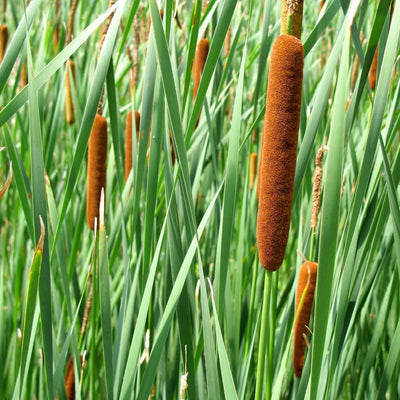
Emergent species have their roots in the water and their stems rise above the surface. Floating species are on the surface, and buried species live below the surface. To make an easy wetland plants list, start with cattails and bulrushes.
Tip: To start, try a Cattail Plant from TN Nursery. Cattails are hardy and look great around the edges of ponds.
Benefits of Growing Wetland Plants
Some of the most beautiful and eco-friendly plants you can grow in your yard are those that grow in wetlands. These plants help keep the temperature healthy, make the water better and offer nourishment to animals. Check out the main benefits of wetland plants.
1. Filtration of water naturally
Wetland plants clean the water naturally. These plants' roots take in more nutrition, chemical and dirts from the water. Because of this, ponds and swamps stay fresh and clean without the need for artificial filters.
2. Stops soil from washing away
When plants grow in wet places, like near ponds or on hills, their deep, strong roots hold the dirt in place. In heavy rain, this prevents dirt from running off and helps protect the land.
3. Offers a home for wildlife
For birds, frogs, fish, and insects, these plants are safe places to live. They give birds food, places to nest and shelter. Planting species that grow in marshy areas helps support the wildlife healthy.
4. Makes biodiversity better
Many animals like to live in wetlands full of different plants. This kind helps nature stay balanced and gives your plants more life and movement.
5. Improves the water quality
Plants in wetlands clean water by removing sediments and harmful chemicals, such as nitrogen and phosphorus. This keeps your lake or pond clear and stops algae from growing too much.
6. Brings out the natural beauty and appeal
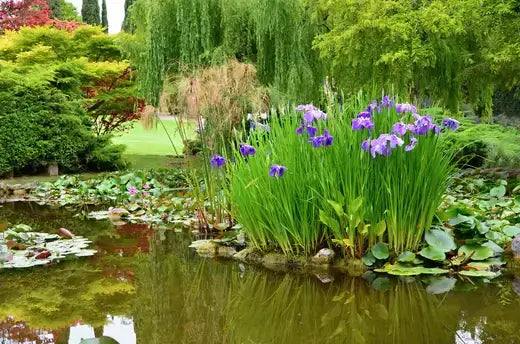
Tall plants like cattails and bulrushes make any body of water look more interesting by adding color, texture and height. They look natural and peaceful in your garden and go well with ponds and rain gardens.
7. Easy to Care For As Soon As Possible
Wetland plants grow quickly and don't require much care once planted. They can handle storms, rain and even changing weather. You won't have to water or feed them often.
Types of Wetland Plants You Can Grow
There are different types of wetland plants, and each one serves a different purpose. Pick plants based on how deep the water is and how much sun the area gets.
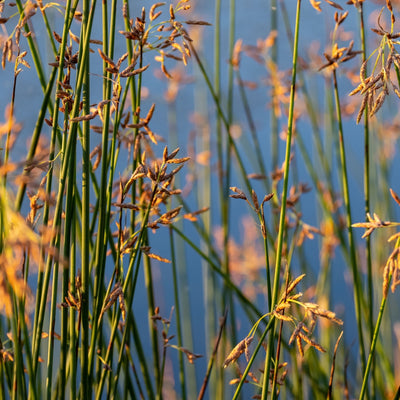
- Emergent plants -Roots are below ground, and stems are above ground for emergent plants. Cattails and bulrushes are two examples. For edges that aren't very deep. Go to TN Nursery and look at the cattail plant and bulrush plugs.
- Floating plants- plants that float on the surface. Water flowers and duckweed are two examples. They keep the water cool and algae-free.
- Submerged plants- These live completely underwater. Hornwort and pondweed are two examples. They help fish and add air.
- Marginal plants- grow in moist soil near water. Pickerelweed and water marigold are two examples. They give things color and bring in insects.
Just chose a few from each type to make a nutritious wetland plants list.
How to Grow Wetland Plants Step-by-Step
These are easy steps for how to grow wetland plants that do well in wet areas.
Step 1 Select the Right Location
Pick a spot that stays wet most of the year, like the edge of a pond, a low spot in the yard, or a container with a lid. Check to see how deep the water is when it's wet and when it's dry. This lets you put plants at the right level.
Step 2 Pick out the best plants
Pick the best plants for your swamp from this list. For poor water, choose plants that come up from the ground, like cattails or bulrushes. Use species that float or are buried in deeper water. Different plants will help the earth, water, and wildlife if you use a mix.
Cattail Plants are good for structure and wildlife cover, and Bulrush Plugs are good for protecting the shore.
Step 3 Planting
Plant in the spring or early summer, when the air and water are warm. To place a plug, dig a small hole near the water and press the plug into the ground. To plant in a pot, fill pond baskets with heavy soil and sink them to the right depth.
Plant with some force but not too much so that the roots can grow.
Step 4 Give it water and mulch
If the area dries out, make sure the dirt stays wet until the plants grow roots. To keep weeds from growing, mulch the dirt around the plants, not the tops. Don't forget that most plants that grow in wetlands like it when their feet are wet, so don't let them dry out.
Step 5 Carefully keep up
Once they're established, wetland plants don't need much care. Every few years, take off any dead leaves and split up plants that are getting too crowded. Keep violent species in check so they don’t take over the whole pond.
Your wetland stays healthy and balanced with a small check every so often.
Quick Planting Tips.
- Use native plants whenever you can. They adapt well and help local animals.
- Plant in groups; clumps look more natural and filter water better.
- Don't apply fertilizer near water since it will make algae grow by adding nutrients.
- You can easily clean and stabilize the water along the boundaries of a pond with Bulrush Plugs.
FAQs
What are Wetland Plants?
Wetland plants are those that flourish in watery environments such as ponds, marshes, or wet soil. They are essential for purifying water, retaining soil, and supporting wildlife.
How to donate plants?
Contact your local gardening club, community garden, or wildlife organization. Many groups welcome native wetland plants for restoration initiatives. Check with the local municipality or a nearby wildlife reserve.
Where can I buy wetland plants online?
Wetland plants may be purchased from specialized merchants such as TN Nursery. For starting plants ideal for ponds and wetlands, see the Cattail Plant and Bulrush Plugs sites.
How do wetland plants survive?
They have unique roots and tissues that can deal with low oxygen and damp soils. Many plants store oxygen in their stems and have extensive root systems to keep them grounded.
Do wetland plants use lots of water?
Wetland plants tolerate and need moist circumstances, but they do not "use" water like garden shrubs. They reside in areas with standing water and help keep it clean rather than waste it.