
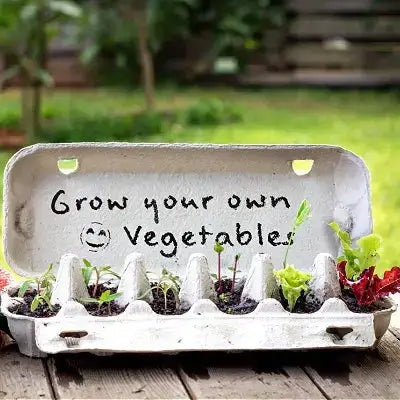
Essential Guide to Growing Vegetables
Growing vegetables in your garden can be hard work‚ but it is a great way to produce fresh‚ healthy food․ It can be very rewarding to put a small seed in the ground‚ then have it grow and mature into a vegetable ready to eat․ A keen gardener requires a spirit of success to plant and cultivate a garden․ In this essay‚ I will discuss important aspects of the cultivation process of growing vegetable gardens such as soil preparation‚ choosing the right type of vegetables‚ the time of planting seeds‚ the use of fertilizers‚ and companion planting to ensure a successful backyard garden․
Soil is the most important part of any garden․ The first thing you should do when planting a vegetable garden is to test the soil to find out its pH and nutrient levels․ And this information will help you determine what‚ if anything‚ it needs․ The best vegetable garden soil is loamy soil‚ which is roughly equal parts sand‚ silt‚ and clay․ Soil should be improved with organic material (e․g․‚ compost or well-rotted manure) to improve soil structure‚ aeration‚ drainage‚ and nutrient availability․ The soil should also be tilled to a fine and crumbly texture to ease root growth․ Good soil retains moisture and is alive with the kind of microorganisms that can give your growing vegetables the protection of a well-stacked fort․
Choose Vegetables to Your Liking
Next‚ choosing the right varieties of vegetables is key in having a successful garden․ Not all vegetables can grow in the same weather conditions: some prefer cooler temperatures‚ while others prefer warmer ones․ Knowing which vegetables grow well in your area may save time and effort․ Tomatoes‚ lettuce and radishes are relatively easy to grow and are popular beginner vegetables․ Always choose what to grow according to your tastes․ Choose vegetables that you and your family want to eat as growing the food you love makes maintaining the garden easier and less likely to be neglected․ It is also helpful to select disease-resistant varieties because they are often easier to harvest․ Heirloom seeds offer the benefits of using a customary food plant and a wider variety of flavor‚ while harkening back to gardening practices that are increasingly infrequent today․
Another important aspect of vegetable gardening is to know when to plant certain vegetables․ Some vegetables like peas and spinach like the cooler weather and grow well in early spring (and can even be planted in the fall in some areas)․ Others like peppers and eggplants grow best in spring and summer‚ producing colorful fruits in the summer warmth․ In some cases‚ you may be better off starting plants indoors a few weeks before the last frost date‚ and then transplanting them once the weather is good․ It can also help to write down the dates for which you plant things out and the changes in season‚ so you can plan your work better in the future․
Fertilization is an important part of growing healthy‚ strong vegetables․ Good soil can be enough‚ but after plant establishment‚ additional nutrients may be required․ Organic fertilizers‚ such as fish emulsion and bone meal‚ are slow-releasing and also add additional nutrients and improve the soil over the long-term․ Applying fertilizer to the soil at the time of planting‚ or at the time a plant begins to flower‚ encourages plant growth and larger vegetables․ Follow instructions on the fertilizer label; too much fertilizer may kill the plant instead of helping it grow․ In any case‚ fertilizing your patches regularly will improve the amount of foliage produced as well as the flavor of the produce․
Companion Planting Leads to Productive Gardens
Companion planting is the planting of different crops in proximity of one another to provide mutual benefit․ Many plants have been observed to have a helpful effect on another when planted nearby․ For example‚ basil plants are said to improve the flavor of tomato plants and repel insect pests‚ while carrot plants and onion plants have distinctive odors which repel each other's pests and thus may be grown in close proximity․ When applied to companion planting principles‚ the study of these relationships can lead to more productive gardens‚ lowered costs due to fewer chemicals‚ and more resistant crops․ They can also help create a more complex ecosystem and more diverse vegetable garden․
Growing vegetables in your gardens or backyards can be a satisfying experience that requires effort‚ knowledge‚ and frugality․ All you need to do is prepare your garden soil‚ choose the right vegetable types‚ harvest when they grow ripe‚ and enjoy the resulting bountiful harvest of quality vegetables from your garden․ So fertilizing‚ or companion planting‚ or interplanting‚ can help‚ but the garden is there to be grown․ It's not just growing to eat․ It's growing to enjoy the food‚ enjoy nature‚ learn about nature‚ and that's basically what it's all about․ So grab your spade‚ shovel‚ and hoe‚ and get your hands dirty: it is a highly rewarding and pleasurable occupation‚ both for the body and for the spirit․


