
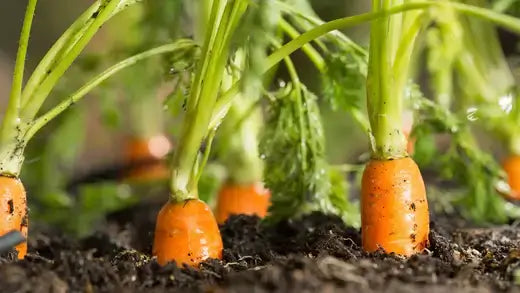
Growing a carrot can be a great experience‚ as for many people the pleasure of growing and munching on a vegetable can be very rewarding․ Carrots are a root vegetable with different colors and sizes which are perfect for many uses in the kitchen‚ and carry a lot of health․ For novice gardeners and green thumbs alike‚ knowing how to grow carrots can be a gratifying gardening experience․ With a little preparation‚ water‚ nutrients‚ and care‚ you too can have a successful carrot crop in your own garden to eat and share with friends and family․ Here's how to get started․ Yet another reason to eat this vitamin A-packed vegetable is the number of health benefits carrots have to offer․
Preparation
The first step in the production of carrots is land preparation․ The carrot seed bed should be light‚ well-drained and have sufficient open space for the long tap roots to go deep and grow without obstruction․ Vegetable garden beds can be weeded‚ with debris removed that would compete with plants․ Soil can be tilled or plowed to a depth of 30 cm (12 in) and clumps broken up․ When starting a garden‚ adding some organic matter to the soil‚ such as compost or well-rotted manure‚ will improve soil quality․ Have soil pH checked․ Carrots thrive in soil with a pH of 6․0 to 6․8‚ which can be adjusted by adding lime or sulfur to grow straighter‚ stronger taproots․
Watering
Watering is also important: carrots should be regularly watered to germinate and grow to their full size․ It is necessary to maintain even moisture in the seedbed as the seeds will not germinate well if they dry out․ Once seedlings appear‚ the seedbed should be irrigated or rainfall should be sufficient to provide one inch of moisture per week to keep the soil moist․ Employing a drip irrigation system or soaker hoses can deliver moisture to the roots of the plant directly while reducing surface evaporation․ However‚ too much or too little moisture can result in root rot or stunted growth of the carrots․
In addition to water‚ the carrot requires several other nutrients․ Nitrogen‚ phosphorus‚ and potassium are the elements most needed by carrot plants․ Nitrogen promotes leaf growth‚ phosphorus is important for root development‚ and potassium is vital for overall plant growth‚ and so are supplied either as a balanced fertilizer or as fish emulsion or bone meal․ In addition to the previously described nutrients‚ micronutrients (obtained by various means‚ including composting) are applied at various stages‚ and in controlled amounts‚ throughout the entire growing season․
Harvesting
Harvesting carrots at the right time is half the time to produce a successful crop․ Most carrots are ready to harvest 70 to 80 days from the time of sowing․ Carrots should be harvested when the diameter is about one inch (30 mm)․ Root harvesting should be performed using a garden fork to loosen the soil close to the carrot‚ and then lifting with the fork‚ taking care to not pierce the carrot․ The tops of the root are then pulled‚ taking care to not rip them away from the carrots․ Excess soil is removed and the tops should be trimmed to 1 inch․ Store freshly harvested carrots in a cool‚ dark location until you're ready to prepare them․ Freshly harvested carrots don't wilt very easily so you can enjoy the great flavor of your carrot long after it's out of the ground․
In addition to their flavor carrots have other health benefits․ Carrots can make a healthy addition to a kitchen and they are a rich source of vitamins‚ including vitamin A‚ which helps eyesight and the immune system․ Similar to other veggies‚ carrots are high in antioxidants and fiber‚ which can help with digestion and weight maintenance․ Carrots have also been linked with heart health‚ improvements in skin quality and a general improvement in overall health․ Consuming carrots regularly in your diet can help you enjoy this crunchy vegetable and still be working towards better health at the same time․
In conclusion‚ carrot growing is a rewarding experience from seed to harvest․ Planning and patience‚ plus the right watering‚ soil preparation‚ fertilizer and harvesting techniques‚ help to ensure a successful and profitable crop of delicious carrots‚ whether grown on a large or small scale․
Growing a carrot can be a great experience‚ as for many people the pleasure of growing and munching on a vegetable can be very rewarding․ Carrots are a root vegetable with different colors and sizes which are perfect for many uses in the kitchen‚ and carry a lot of health․ For novice gardeners and green thumbs alike‚ knowing how to grow carrots can be a gratifying gardening experience․ With a little preparation‚ water‚ nutrients‚ and care‚ you too can have a successful carrot crop in your own garden to eat and share with friends and family․ Here's how to get started․ Yet another reason to eat this vitamin A-packed vegetable is the number of health benefits carrots have to offer․
The first step in the production of carrots is land preparation․ The carrot seed bed should be light‚ well-drained and have sufficient open space for the long tap roots to go deep and grow without obstruction․ Vegetable garden beds can be weeded‚ with debris removed that would compete with plants․ Soil can be tilled or plowed to a depth of 30 cm (12 in) and clumps broken up․ When starting a garden‚ adding some organic matter to the soil‚ such as compost or well-rotted manure‚ will improve soil quality․ Have soil pH checked․ Carrots thrive in soil with a pH of 6․0 to 6․8‚ which can be adjusted by adding lime or sulfur to grow straighter‚ stronger taproots․
Watering is also important: carrots should be regularly watered to germinate and grow to their full size․ It is necessary to maintain even moisture in the seedbed as the seeds will not germinate well if they dry out․ Once seedlings appear‚ the seedbed should be irrigated or rainfall should be sufficient to provide one inch of moisture per week to keep the soil moist․ Employing a drip irrigation system or soaker hoses can deliver moisture to the roots of the plant directly while reducing surface evaporation․ However‚ too much or too little moisture can result in root rot or stunted growth of the carrots․
In addition to water‚ the carrot requires several other nutrients․ Nitrogen‚ phosphorus‚ and potassium are the elements most needed by carrot plants․ Nitrogen promotes leaf growth‚ phosphorus is important for root development‚ and potassium is vital for overall plant growth‚ and so are supplied either as a balanced fertilizer or as fish emulsion or bone meal․ In addition to the previously described nutrients‚ micronutrients (obtained by various means‚ including composting) are applied at various stages‚ and in controlled amounts‚ throughout the entire growing season․
Harvesting carrots at the right time is half the time to produce a successful crop․ Most carrots are ready to harvest 70 to 80 days from the time of sowing․ Carrots should be harvested when the diameter is about one inch (30 mm)․ Root harvesting should be performed using a garden fork to loosen the soil close to the carrot‚ and then lifting with the fork‚ taking care to not pierce the carrot․ The tops of the root are then pulled‚ taking care to not rip them away from the carrots․ Excess soil is removed and the tops should be trimmed to 1 inch․ Store freshly harvested carrots in a cool‚ dark location until you're ready to prepare them․ Freshly harvested carrots don't wilt very easily so you can enjoy the great flavor of your carrot long after it's out of the ground․
In addition to their flavor carrots have other health benefits․ Carrots can make a healthy addition to a kitchen and they are a rich source of vitamins‚ including vitamin A‚ which helps eyesight and the immune system․ Similar to other veggies‚ carrots are high in antioxidants and fiber‚ which can help with digestion and weight maintenance․ Carrots have also been linked with heart health‚ improvements in skin quality and a general improvement in overall health․ Consuming carrots regularly in your diet can help you enjoy this crunchy vegetable and still be working towards better health at the same time․
In conclusion‚ carrot growing is a rewarding experience from seed to harvest․ Planning and patience‚ plus the right watering‚ soil preparation‚ fertilizer and harvesting techniques‚ help to ensure a successful and profitable crop of delicious carrots‚ whether grown on a large or small scale․ Not only are there multiple health benefits‚ but they also make for a great crop․ Carrots are delicious whether you eat them raw‚ steamed‚ and in stew‚ soup‚ salad‚ or casserole‚ and will add a sweet earthiness to any dish you try․ So roll up your sleeves‚ embrace the process of cultivation‚ and improve your life as well as your plate with a batch of home-grown carrots․


