
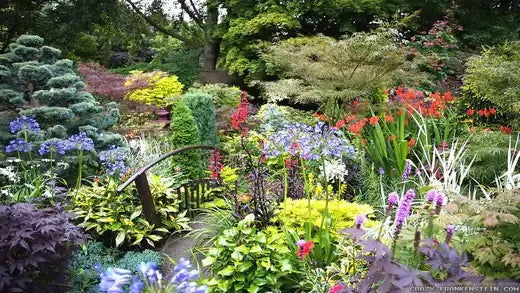
Creating a Thriving Flower Garden
Growing your flower garden is so much more than throwing some seeds into the ground․ It's an artistic journey where nature blends with personal expression; in your yard‚ you can almost feel the raw potential of a blank canvas awaiting its masterpiece․ The first light of morning is a promise land and fragrance․ A flower garden can be a retreat‚ a happy place to grow and reflect‚ a place where your imagination can inspire you․ Everyone has the power to create a secret garden of their own․ To begin this delightful journey however you must first create the right conditions for your flowers by carefully selecting which will suit your climate and how best to care for them․
The first step to a successful flower garden is to choose flowers that will grow well in your area․ A good gardener should learn which flowers will grow well in their area based on their soil and climate conditions․ Some flowers need the sun‚ and some prefer the shade․ Think of the flowers you like best: the geranium's reds or the forget-me-not's soft blue․ Next‚ consider what plants will grow best in your climate and‚ once you've narrowed down your favorite flowers‚ research their care․ So for example‚ some flowers require more water‚ while others require less․ Or‚ if you are intimidated by the selection‚ you might plant a mixture of perennials that return year after year along with annuals that will provide color while you build your gardening roots within your community․
Different Plants Require Different Amounts of Sunlight
Sunlight is an essential element for a blooming plant's health and growth‚ therefore the best flower-growing areas can be determined by the amount of sunlight throughout the day․ Some flowering plants need full sun exposure‚ while others can grow satisfactorily in a partial shade setting․ You will want to find the best area that your new garden can get at least a minimum of six hours a day of sunlight for sun lovers and a few hours of shade for shade lovers․ If you follow the growth needs of the plants‚ and let your garden settle in with the flowers following the sun and blooming at the same time each year‚ each with its own color and fragrance‚ you will be able to pass by your garden and find a cornucopia of beauty․
Another consideration is seasonality․ Because different types of flowers are in bloom at different times of year‚ ordering flowers in a particular sequence creates a living art piece that changes over time․ Many flowers can be started in the spring‚ including both annuals and perennials․ Bright colored summer flowers such as sunflowers‚ zinnias and cosmos can be started in the spring․ In autumn‚ you will find the delicate blossoms of the chrysanthemums and asters that decorate the gardens of many households and in winter‚ the structure of evergreens․ If you know when to plant the flowers you choose‚ you will have a constant show throughout the year‚ so that you are never without some lovely flowers in your garden․
Why Weeding Your Garden is Important
Watching the flowers in your garden grow and flourish can be a rewarding experience‚ but weeding is one of the great labors every gardener must face from time to time․ Weeds compete for nutrients and may choke your flowers․ Fortunately there are several simple techniques to control weeds in your garden‚ for example‚ by pulling them out by the root when the soil is moist‚ after rain․ You can also help your plants withstand these problems by adding healthy organic compost‚ and learning to deal with infestations early to prevent them from ruining all your hard work․ However‚ spend a little time weeding and taking care of them‚ and your flowers will give you a good return for your work․
Companion planting is an important‚ often overlooked‚ aspect of flower gardening․ With a little understanding‚ the right plants will form an ecology within the garden․ Many flowers and herbs are interplanted to inhibit or repel unwanted pests or attract crop-pollinating insects; flowers are also used to improve the soil quality of a garden․ Marigolds repel unwanted insects‚ and nasturtiums can be planted to attract aphids away from sensitive flowers․ Choosing compatible plants will lead to a better crop‚ and your garden and the soil will benefit from the added biodiversity․ Think of it as a community of plants working together‚ building a thriving and colorful life for the world․
In conclusion‚ planting a flower garden requires time‚ skill and a love of nature․ The right flowers‚ sufficient sunlight and an understanding of seasonal changes can result in a colorful‚ aromatic garden․ The effort in planting a seed results in a beautiful garden․ By taking care of your plants‚ and through companion planting‚ you can have a bright‚ varied ecosystem in your flower garden․ Above all‚ a flower garden is an extension of your personality‚ a place that carries every ounce of love and hard work you've put into it‚ and a place to enjoy the beauty of a garden․ In time‚ with care‚ your garden can be not only a work of art you can enjoy‚ but a place that delights those who also love to watch nature at work․


