
How To Create A Pollinator Garden In Tennessee: A Zone-By-Zone Planting Guide
If you want to create a successful pollinator garden in Tennessee‚ plant in layers that bloom from March through October‚ use native plants suitable for your planting zone (6a in higher elevations‚ 7a-7b across Middle and West Tennessee)‚ and refrain from all pesticide use․ Do these three things‚ and you'll have bees‚ butterflies‚ and hummingbirds in your garden by the end of the first season․ The rest is refinement․
Although most guides explain the need for native plants‚ they seldom provide lists of those that will thrive in the clay and humidity of Tennessee‚ this guide does․
Know Your Zone Before You Buy Anything
Tennessee has USDA zones 6a-7b; 6a in the Smokies‚ Mountain City, and areas at similar elevations․ Blooming periods are shorter in higher elevations․ In Memphis or Chattanooga, you're solidly in 7b‚ with a much longer growing season‚ and last frost dates as early as mid-March․
This is important because a plant that flowers in April in Memphis‚ say‚ might not do so until late May in the mountains of East Tennessee‚ and if you want a garden that blooms for pollinators from spring to fall‚ you want to know when your plants bloom‚ not when some national database says they bloom․
Building Your Bloom Calendar
One of the biggest mistakes is to have a garden that looks beautiful in June but has nothing in bloom in April or September․ Pollinators need food right when they emerge in early spring up until the first hard frost․
In Tennessee‚ the blooming sequence is as follows:
March and April: Wild columbine and creeping phlox nectar feeds early bumblebees before most perennials have even leafed out․
May through June: Coneflowers‚ black-eyed Susans‚ and bee balm all start to carry the load․ For most of the state‚ this is peak season․
July-August: In the peak weeks of heat‚ Joe Pye weed and swamp milkweed take their place as many of the early blooms have faded or died․
New England aster and goldenrod dominate in autumn․ Monarchs migrating through Tennessee in the fall depend upon these to give them enough energy for the long journey south․ If you don't do this step‚ then you've left a hole in your garden for months․
TN Nursery also has native perennial varieties that will bloom at most of these times‚ including bee balm‚ coneflower‚ and swamp milkweed‚ so you can get your bloom order all in one spot․
Preparing soil for Tennessee clay
If you have ever gardened anywhere in Middle Tennessee‚ you know that the soil is usually heavy red clay that doesn't drain properly․ This is not something to overlook; plants that need well-drained roots‚ like milkweed and coneflower‚ will die without proper drainage․
Before planting‚ incorporate 2 to 3 inches (51 to 76 mm) of compost into the soil of top 8 to 10 inches (200 to 250 mm)․ If the soil is relatively heavy in clay‚ use coarse sand or expanded shale instead of peat moss․ In wet climates‚ peat will break down‚ compact‚ and no longer be useful after one to two years․ A soil test (less than $10 at your county extension office) will check whether your soil needs pH adjustment․ Pollinator natives prefer a slightly acidic to neutral pH 6․0-7․0․
Plant Selection: What Actually Works Here
Red Cardinal Flower (Lobelia cardinalis) - One of the best plants for attracting hummingbirds to your Tennessee yard‚ these tubular flowers are perfect for long-billed species found in the state․ It also does well in the moist‚ shady spots that many gardens have‚ such as near downspouts or in low-lying areas of flower beds․ It blooms from July to September‚ coinciding with hummingbirds refueling for migration․
Without the host plant (Butterfly Milkweed (Asclepias tuberosa))‚ you get monarch visitors but no monarch reproduction․ Monarch caterpillars feed on the Milkweed․ Unlike common milkweed‚ tuberosa has a clumping growth habit and doesn't spread uncontrollably‚ making it better suited for small garden beds․
Purple Coneflower‚ Echinacea purpurea‚ tolerates the Tennessee summer heat‚ is drought-resistant when established‚ and provides winter food for goldfinches if you do not deadhead this flower in the fall․
Bee Balm (Monarda didyma) is a hummingbird favorite‚ and home to many native bee species․ It takes up a lot of space‚ and must be divided when it fills a small bed because of its rhizome spread within two years․
Having five to seven plants of the same type in close proximity is often better than having them scattered throughout the bed․ Pollinators can visit more flowers of the same variety, which conserves their energy rather than searching throughout the entire bed to find the next flower․
Realistically‚ it takes three to five years․
Plant perennials in early spring (March-April) or early fall (September-October); the mild fall growing conditions in Tennessee are usually better for roots to get established than in spring when plants are not battling the stresses of summer heat․
Many native perennials like coneflower and milkweed may bloom little or not at all the first year‚ focusing on root growth․ A full show and pollinators are expected in year two․ By the third growing season‚ most of the native perennial beds are established and‚ with few exceptions‚ require no division․
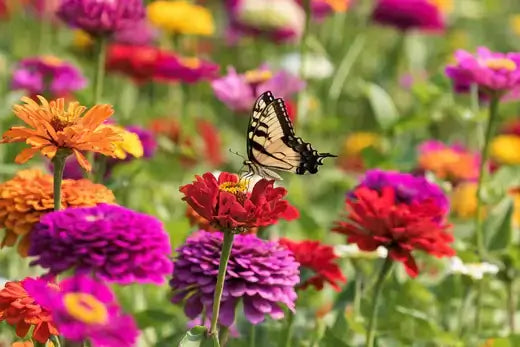
Annuals like zinnias can fill in that gap in the first year‚ providing forage for pollinators while your perennials establish their root systems․
Nesting Sites Most Guides Skip
Beyond feeding pollinators‚ 70% of native bee species do not live in hives or bee boxes․ For many‚ their nests are in the ground․ Leave some bare earth in the sun in your garden‚ rather than mulching the entire site․ For the other cavity-nesting species‚ a small bunch of hollow elderberry or bamboo stems‚ cut into 6-8 inch (15-20 cm) lengths and placed in a sheltered spot‚ will be more useful than most manufactured bee hotels‚ which can be difficult to maintain‚ and can become a vector for mite transmission․
Skip the Pesticides‚ Even the Organic Ones
Most organic insecticides‚ especially pyrethrin-based ones‚ are toxic to bees on contact․ If any aphids are present on your milkweed‚ a good spray of water or a ladybug release will take care of them without harming your pollinators․ If it is absolutely necessary to use treatments for real infestations‚ they should be applied at night‚ when pollinators are not active․
If you want to know how to start a pollinator garden in Tennessee‚ you have to start looking at plants that work for your growing zone and in gaps in blooming‚ as opposed to a national list․ The first is three or four native perennials suited to your region, add to the bloom sequence each season, and you'll have a garden doing real ecological work within a couple of years.
"

