
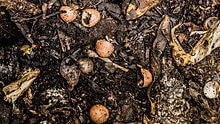
In a garden the beauty is in the buds‚ in the flowers that freshen the trees‚ there is some secret that moves the leaves and makes them dance to the rhythm of the wind․ It is composting‚ the process of creating compost by breaking down kitchen scraps and garden waste․ To the home gardener‚ composting offers benefits‚ not only to their individual garden‚ but to the gardening community and ecosystem․ In this article‚ we will cover the benefits of composting‚ how to start composting‚ what you should compost‚ common composting mistakes‚ compost maintenance‚ and how to layer compost effectively in your garden․
The Benefits of Composting
Composting has many benefits outside of the garden gate․ The biggest environmental concern is that a large percentage of organic material in landfill contributes towards methane emissions․ Shifting composting from landfill to a recycling facility has two key benefits: not only is it a more environmentally responsible option but a waste product is turned into a product for more sustainable uses․ Second‚ compost makes a good soil conditioner: it absorbs moisture‚ improves the soil structure‚ and introduces organisms which assist plant growth․ The process of composting releases nutrients‚ which become available to the plants‚ and this makes the process of gardening sustainable‚ as crops grow without the need for chemical fertilizers․
To begin‚ you need to know what to put in the pile․ Composting requires a balance of green materials (sources of nitrogen) and brown materials (sources of carbon) in the compost pile․ Typical greens include fruit and vegetable scraps‚ coffee grounds‚ and grass clippings‚ while browns include dried leaves‚ shredded cardboard‚ straw‚ and wood chips․ A balance of green and brown material is good․ Too heavy on greens‚ and the compost becomes slimy; too heavy on browns‚ and the process grinds to a halt․ A compost pile that has a good mix of green and brown materials will provide a healthy environment for microorganisms‚ which will convert the organic matter into a dark‚ crumbly nutrient-rich product known as compost․
What To Avoid When Composting
Although the principles behind composting appear simple‚ several pitfalls can sour the unseasoned practitioner․ The most basic is insufficient aeration․ A common error is to use too many materials‚ too tightly packed to allow the access of oxygen․ This impairs decomposition‚ causing slow conditions‚ and leads to the production of noxious odors․ Another error amateurs make is thinking everything has to be perfect when composting․ You do not have to have all the ingredients in the ideal amount․ Nothing is perfect‚ but that is part of the learning process․ The level of moisture is also important as too much will create a sludge while too little will dry out the organisms that are the engine of composting․ These factors make it easy for gardeners to avoid a wide range of problems when creating compost․
Once the compost bin has been assembled the compost pile should be maintained with proper upkeep․ It is best practice to turn the compost pile every few weeks to aerate and mix the compost pile as it breaks down․ This increases air circulation and allows moisture to drain off of fruit and vegetable scraps‚ speeding the composting process․ The temperature of the compost pile can be monitored as an indicator of the speed of this process․ Heat indicates that microbial activity is high and decomposition is occurring․ Watering the pile when it is too dry encourages microbial activity‚ since moisture is essential for the activities of the decomposers․ Composting can be productive and yield high-quality soil if done correctly․
Layering The Compost
What would composting be without layering? Layers of green materials balanced with brown materials are the key to making compost the right way every time․ Many people prefer to add a layer of coarse material‚ such as straw or small branches‚ to improve aeration before constructing successive layers of green and brown material‚ like a multi-layered decadent cake․ This helps prevent the pile from becoming too compacted and allows moisture and air to reach all parts of the pile․ Also‚ this technique ensures that the temperature of the pile is ideal for composting organic material․ Watching this layered cake of nature's scraps transform into rich soil is like watching a nutrient battlefield come to peace․
To sum up‚ composting is a creative and rewarding experience․ Composting is the art of taking the waste and creating nourishment‚ showing us the proper respect for the cycles of which we're a part‚ and for the environment we inhabit․ Know the benefits of composting‚ and what to put in (and leave out)‚ the pitfalls to avoid‚ how to maintain your compost‚ and the importance of layering․ Then you can take part in this uncomplicated‚ life-changing act to help create a better tomorrow while taking part in the dance of ecology․ So whether you want to feed the soil‚ embrace the cycle of life‚ or give your garden just a little more nourishment‚ feel good about the way you're making good use of kitchen scraps․


