
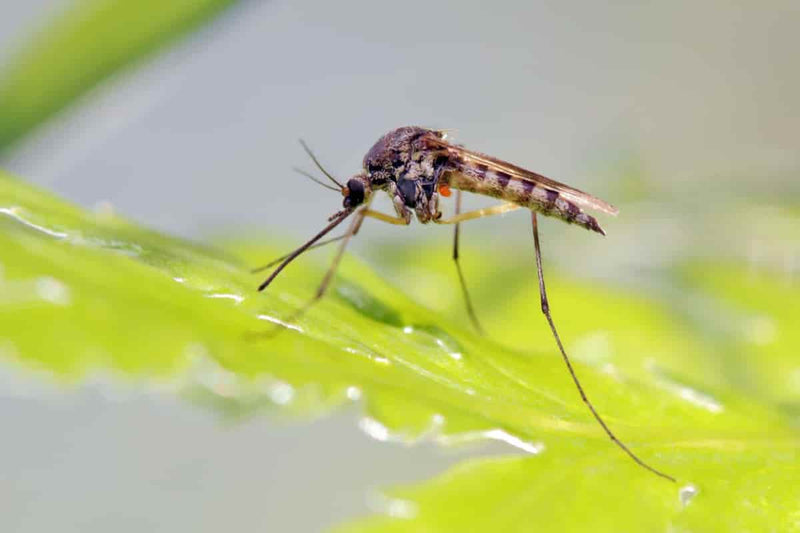
Mosquitoes have the ability to transform beautiful outdoor spaces into undesirable spaces, but nature provides an environmentally friendly solution. The mosquito repellent plants are naturally used to keep the mosquitoes away with the help of smelly oils and compounds, which are not palatable to the mosquitoes. The plants that repel mosquitoes are safe and sustainable for the family and pets, as compared to the chemical sprays, which only beautify the landscape.
By providing the appropriate types of such plants, Tennessee homeowners can use them to make their yards more comfortable. TN Nursery has healthy plants that are landscape-ready and do not require the workload of pesticides to reduce the population of mosquitoes.
What Makes Some Plants Naturally Repel Mosquitoes?
Various plants generate the useful oils and aromatic substances that are intrinsically repulsive to mosquitoes. These are natural mosquito repellent plants that emit fragrances in the form of scent out of their leaves, stems, and flowers that disrupt the normal functions of mosquitoes to find their hosts. The volatile oils produce an unseen layer, which renders treated areas less appealing to such insects.
Strongly scented plants have compounds such as citronella, linalool, and eucalyptol that interfere with the receptors of mosquitoes. These oils are released into the air when the breezes blow leaves or when the leaves are rubbed together. These compounds are concentration-species-dependent, condition-dependent, and time-dependent.
TN Nursery focuses on the choice of plants that can survive in Tennessee's climate and offer natural pest removal. Their experience means that the customers will have the best varieties with the best natural protection against mosquitoes.
How Trees and Plants Reduce Mosquito Populations in Landscapes
The desired trees and plants are used to do strategic landscaping to provide several layers of protection against mosquitoes. The presence of large trees cools the surface humidity in areas where the mosquitoes breed, and they have been shown to be a habitat for other beneficial wildlife that consumes adult mosquitoes and their larvae.
Virginia Creeper
This is a vigorous vine that forms an extensive cover that blocks the breeding habitats of the mosquitoes, and this site is favored by the birds that eat mosquitoes. Virginia Creeper is a rapid-growing plant that is a good shade-tolerant plant that repels mosquitoes by providing unfavorable microclimates.
Tulip Trees
These are large native trees that dry the damp soil with their deep roots and create fewer breeding sites for mosquitoes. Tulip Trees also help the population of bats, which feed on thousands of mosquitoes each day.
Bald Cypress
Wet-tolerant Bald Cypress enhances the water drainage patterns in the soil and promotes beneficial soil organisms that result in the maintenance of balanced ecosystems, unfavorable to the mosquitoes.
Black Willow
This tree is a dwarf that is known to thrive on wet ground, and it is also the home of the dragonflies that are the predators of mosquitoes in nature. Black Willow works as an ecological balance as a mosquito repellent made of natural plants. To find out about native plants and ecosystem health, visit the American Horticultural Society.
Best Landscape Plants That Help Deter Mosquitoes
The best plants against mosquitoes should be integrated all over your property to give extensive protection. The combination of various types of plants is the most effective:
- Evergreen ones: The Virginia Pine Tree secretes aromatic compounds all year round, besides offering windbreaks that interfere with the flight pattern of mosquitoes. Its needles are resinous in nature, and they have natural oils, which keep off the mosquitoes.
- Groundcovers: Low-growing plants that repel mosquitoes occupy spaces in the landscape where the mosquitoes would otherwise seclude themselves during the day.
- Plantings on the border: Dense bushes and perennials will form physical obstacles that will limit the access of the mosquitoes to the patios and outdoor spaces.
- Native varieties: Tennessee-adapted plants grow fast with little care and gain greater natural defenses as compared to non-native plants.
The use of structural plants in combination with aromatic varieties will give you physical and chemical mosquito control throughout your landscape.
Creating a Mosquito-Resistant Yard Without Chemicals
In order to build a natural plant repellent system for mosquitoes, one will have to plan things carefully and maintain the system properly:
-
Get rid of standing water: Clean up containers, repair drainage, and make gutters drain well to avoid breeding of mosquitoes.
-
Enhance air flow: Plant spaciously and chop thick growth to form winds that the mosquitoes would find difficult to maneuver.
-
Soil amendments: In your garden soil, add organic matter and compost to enhance drainage and provide good support to soil organisms and microorganisms.
-
Height of layer plants: Plant mixes of trees, bushes, and groundcovers to provide diversity of microclimates that interfere with the habitats of mosquitoes.
- Mulch correctly: Add between 2 and 3 inches of mulch to keep the soil moist and roots healthy, although not very swampy.
TN nursery offers professional advice on the choice and location of plants to ensure maximum benefits of natural mosquito control and beautiful, functional landscapes.
Simple Tips to Strengthen Plant-Based Mosquito Protection
To maximize the usefulness of the mosquito repellent plants, it is important to be under constant care and make strategic improvements:
- Plant when it is early in spring: To be able to establish plants in time before the peak of the mosquito season in late spring and summer.
- Maintenance: Keep your plants healthy by frequent watering, fertilizing, and pruning, as plants under stress have fewer protective compounds.
- Companion planting: It is very important to plant in groups to strengthen plant-based mosquito plants. Plant a few natural mosquito repellent plants at once in order to concentrate the protective oils where they are most needed, such as patios and entry points.
- Trap predators: Place birdhouses, bat boxes, and motion water features to entice wildlife that feeds on mosquitoes to supplement vegetation-based defenses.
- Soil health: Healthy soil yields strong and healthy plants with greater natural defenses. Add compost every year to favor good microbes and the general immunity of the plants.
These are easy measures that will improve the inherent properties of plants in your landscapes to keep mosquitoes at bay and also make the outdoors healthy.
Conclusion
The natural mosquito repellent plants are a safe, efficient, and ecologically friendly mosquito control for the Tennessee landscape. The natural barriers are formed by putting different varieties into strategic use, such as Virginia Creeper, Tulip Trees, Bald Cypress, Black Willow, and Virginia Pine Tree, to increase the attractiveness of the property and ecological health.
TN Nursery offers high-quality, Tennessee-adapted plants with expert expertise in order to make homeowners spend a more comfortable time outdoors and take pleasure in the natural environment. Turn your yard into a mosquito-free natural habitat with the best proven plants that repel mosquitoes.
FAQs
How do mosquito repellent plants work naturally?
They emit aromatic compounds and oils that disrupt the senses of the mosquitoes, making the areas less appealing to the pests.
What plants repel mosquitoes naturally?
All these trees prevent the breeding of mosquitoes in natural ways, namely, Virginian Creeper, Tulip Trees, Bald Cypress, Black Willow, and Virginia Pine Tree.
Do plant-based mosquito repellents work?
Yes, when well chosen and kept, mosquito-repellent plants will greatly lessen the number of mosquitoes in the areas where they are used.
Which plant is the strongest mosquito repellent?
The Virginia Pine Tree also discharges aromatic compounds throughout the year, and Virginia Creeper produces good shade-tolerant plants, which deters mosquitoes.
Is a mosquito plant effective?
Plants have been found to be effective when incorporated into an overall plan, such as good drainage, air movement, and habitat control.
Where can I buy mosquito repellent plants online?
TN Nursery provides high-quality mosquito repellent plants online that will be delivered to your doorstep with good packaging.


