
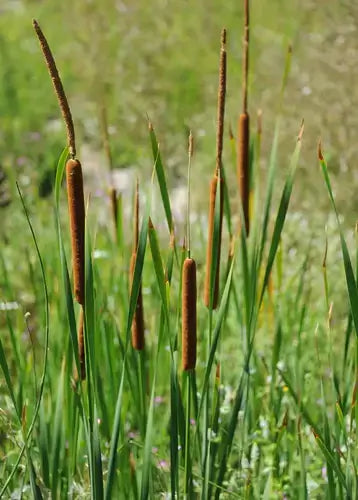
Habitat restoration‚ a component of ecological restoration‚ is a vital part of maintaining the health of the planet and the plants and animals on it․ Plants play a vital role in ecological restoration․ Plants are important because they play a vital role in their ecosystem‚ filtering the air‚ feeding and covering other living organisms‚ and making up the base of every ecosystem․ Restoration plants are any of the plants used in restoration‚ which is the use of plants to restore the ecosystem of an area that has been damaged through human development or natural disaster․ These restoration plants help maintain or restore balance‚ resilience and life․
Types of Restoration Plants
In many groups‚ there are preferred habitats and conditions for establishment of the restoration plant․ Restoration plants may be native or non-native․ Native plants are often used in restoration projects․ Native plants are those that occur naturally in a given area‚ ecosystem‚ or habitat‚ having adapted to the local environment over time‚ such as the local climate‚ soil type‚ insects‚ and other plants and animals․ Although non-native species may temporarily stabilize an area‚ they can outcompete the vegetation or the natural processes in the ecosystem․ Restoration projects thus focus on creating diverse assemblages of native plant species to re-establish a self-sustaining ecosystem․
It is also important to realize that native plants not only contribute to the aesthetic qualities of restoration but also contribute to the ecosystem by providing food and other resources to the local wildlife․ This makes them an important part of the food web of a given area․ For example‚ flowering plants provide nectar and pollen as food for pollinators such as bees and butterflies‚ which are critical for the reproduction of many plant species․ Similarly‚ some native trees and shrubs provide habitat for birds‚ small mammals‚ and other wildlife‚ allowing them to thrive and‚ in turn‚ support the presence of other species․ Without native species present‚ the biotic interactions that allow for the existence of diverse life at all levels could eventually be lost from the environment․
Ecological Benefits of Restoration
Restoration plants have additional ecological benefits besides those related to the restoration itself‚ such as preventing erosion and cycling nutrients in the soil․ The roots of these plants bind the soil and prevent soil erosion by stormwater and mudslides․ When decomposed‚ plant remains contribute organic matter to the soil‚ which promotes soil fertility or the ability of soil to produce plant life․ As restoration plants absorb anthropogenic carbon dioxide through photosynthesis‚ they can act as a carbon sink and potentially help reduce climate change․ In short‚ restoration plants restore natural capital through the restoration of ecosystem services‚ allowing for a healthy balance among soil‚ water‚ and air‚ and flora and fauna․
Planting of restoration species can lead to an increase in biodiversity․ Biodiversity can be defined as the diverse variety of organisms within a specific region․ The natural presence of organisms is a broad indicator of ecosystem health․ Planting restoration trees on degraded lands creates habitat for insects‚ birds‚ and other animals with whom they create symbiotic relationships and other ecological interactions‚ which allows for the establishment of a biodiversity of native plant species․ When plant diversity is reestablished pollinator species can return and encourage the diversification of plants․ An ecosystem with more biodiversity is generally more complex and diverse‚ and less vulnerable to disease‚ pest outbreaks‚ and climate change․
Climate Resilience of Habitats
The climate resilience of the habitat may also be improved with the choice of restoration species․ Different ecosystems with a higher diversity of native plants are often more able to adapt to changing climate and associated fluctuations in weather․ Plant communities with greater species richness are expected to be less affected by pathogens and herbivores and by extreme weather events (drought‚ flood)․ The idea is to restore ecological communities using the known native species that are already best-adapted to the climate of their natural habitats․ This adaptation is necessary because global warming has wide-ranging effects on communities․
Habitat restoration plants are a key component of ecological restoration․ They support and are the basis of the ecosystems that are attempting to recover from degradation or destruction‚ and placed with care‚ native plants can help to restore biodiversity‚ ecological health and climate-resilient and climate-adapted ecosystems․ Restoration is not just fixing up the places that have been torn apart‚ it is about realizing we are all a part of the world around us․ By restoring the planet today‚ we work to restore the planet that will live tomorrow‚ so that once again the world will be filled with nature‚ and plants and people can live in peace․ In plants we see both inspiration and restoration; that in the right conditions‚ life can reemerge in the most inhospitable of environments․


