
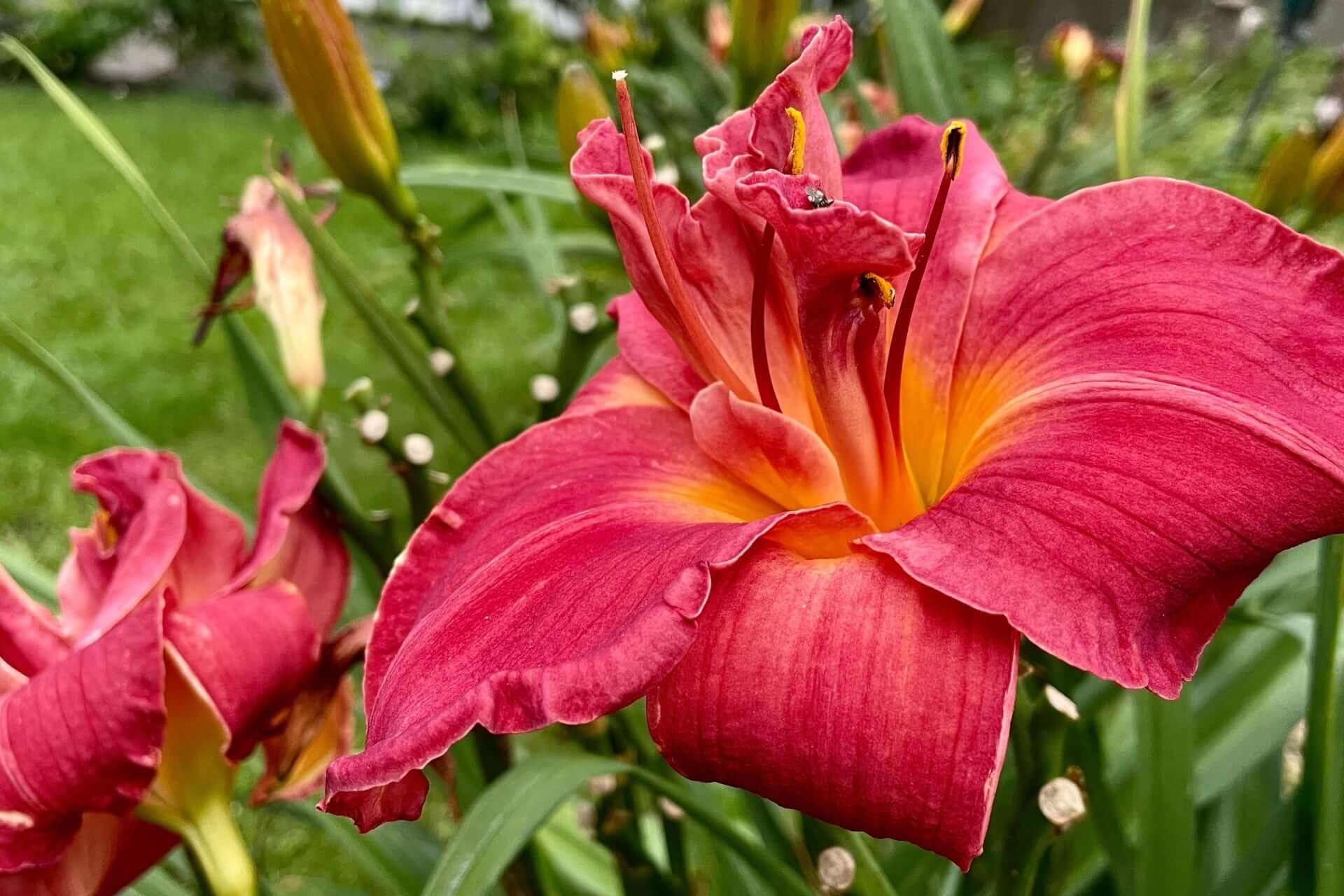
How to Grow Red Daylilies: Planting‚ Caring‚ and Cultivating for Maximum Blooms
Red daylilies prefer sunshine and well-drained soil‚ but our plants are producing weeks of bright ruby-colored blooms from late spring into summer․ One of the easiest perennials to grow in Tennessee and in the Southeast‚ the daylilies tolerate our clay soil‚ humidity and sudden spring frosts far better than most flowering plants․ Whether you want red daylilies as a border or for foundation planting‚ there are a few things you need to know about growing them․
Getting the Site Right
Daylilies need a minimum of 6 hours of sun a day to produce in abundance․ Red ones flourish with morning sun and afternoon shade in the hottest parts of Zone 7b and 8a․ The red pigments 'burning out' can be a problem in places like Middle and West Tennessee where the temperature exceeds 105 degrees Fahrenheit (41 degrees Celsius) in July and August․ Full sun all day is okay in East Tennessee higher elevations since it is cooler there․
Soil is less important than you think․ Daylilies are tolerant‚ but prefer loose‚ well-drained soil that is a little on the acid side: a pH of 6․0 to 6․5 is best‚ and this is what most Tennessee soil is after amending with compost․ Heavy clay soil is common in Middle Tennessee․ If you have this type of soil‚ amend the planting hole with compost or aged manure so the ground drains well․ Standing water around the crown is really the only thing that reliably kills daylilies‚ so do not plant in low spots where stormwater collects․
Planting Timeline and Method
In Tennessee‚ plant in early spring (March and April once the soil can be worked) or in early fall (September through mid-October) so that the roots can establish before the plant goes dormant for winter․ Plants planted in fall generally have superior blooms in their first year‚ because they can spend all winter putting energy into roots‚ not into a race to bloom․
Dig the hole twice the size of the roots and 12 inches deep․ The fibrous root crown of a daylily will sit about an inch below the surface․ If planted too deep‚ flowering may be delayed until the following year․ Spacing of plants is 18 to 24 in․ (46 to 61 cm) apart․ Plants will fill in over two to three years of growth․ Clumps can be split if congested․
Water well when planted‚ and keep the soil evenly moist (but never soggy) during the first few weeks until roots are established․ TN Nursery ships daylilies as bare root divisions․ In fact‚ bare root divisions tend to establish faster because the planting process is not disrupted by the transplanting process from container to soil․ Just soak roots in water for an hour if they dried out․
Ongoing Care
Established red daylilies need little watering‚ just once a week in periods of extended drought․ Watering should occur more frequently when the flowers are blooming‚ their most active and thirsty state․ In Tennessee summers‚ a 2 to 3 inch thick layer of mulch (shredded bark or straw) keeps red daylily roots cool and dramatically reduces watering needs․
A light fertilizing with a balanced fertilizer (10-10-10) in early spring is suitable․ Compost may also be used as a top-dressing․ Excessive nitrogen will lead to vegetative growth rather than flowers․ Deadhead faded flower stalks every day․ Deadheading is mainly done to improve appearance‚ as daylilies bloom at the direction of an internal timing device and deadheading does not delay bloom․ However‚ deadheading does prevent the formation of seed pods that draw energy from the plant․
Let the foliage die back in the fall‚ then cut to the ground after the first hard frost․ This is the time to divide if clumps become overcrowded․ The plant can be pulled from the ground‚ and the fans separated by hand or with a knife‚ then immediately replanted․
Understanding the Bloom Cycle
Each flower blooms for one day and is open from dawn to dusk the following day․ Each mature red daylily plant produces 20 to 50 buds per stem or scape so that a succession of blooms appears from four to six weeks‚ depending on species and growing conditions․ If deadheaded and well-watered through the heat of summer‚ some reblooming varieties‚ such as 'Chicago Apache' or 'Pardon Me'‚ will produce a second wave of flowers in late summer․
Why Red Daylilies Cost More
Red color does not occur in the wild daylily‚ so all modern-day red daylilies originated with decades of breeding experimentation in which plants with increasingly deeper red flowers were cross-pollinated with each generation․ Other characteristics sought by breeders include ruffled edges‚ larger flowers‚ or reblooming․ This takes time and effort‚ and is included in the price of recent cultivars and newer plants which have won awards․ Standard red cultivars are inexpensive and prolific‚ with a single division forming a large clump of plants after three years in the ground․
Are Daylilies Really Problematic?
While some call daylilies intrusive or weedy‚ this is mostly because of the old orange ditch lily (Hemerocallis fulva) which has spread as an intrusive weed‚ naturalizing along roadsides throughout the Southeastern US by its aggressive underground rhizomes․ Named cultivars of daylilies (including virtually all red daylilies sold in garden centers) are clump-forming and not spreading types․ They spread slowly and stay in place‚ so they work well for cultivated garden beds․
Design Pairings Worth Trying
Warm saturated red daylilies contrast nicely with cooler colors‚ such as white coneflower (E․ purpurea)‚ as companion plants․ purpurea)‚ purple salvia‚ or silvery lamb's ear (Stachys byzantina) nearby to counterbalance the red‚ or use black-eyed Susans and ornamental grasses with a variety of textures for a cottage garden look․ Along a sunny walk or border‚ TN Nursery's daylily collections boast several shades of red‚ complemented by other colors‚ so one collection can put together a layered planting scheme with a single purchase․
Grown right‚ red daylilies are about as forgiving and rewarding as perennials get: plant them once, and they'll come back bigger and fuller every year․
"

