
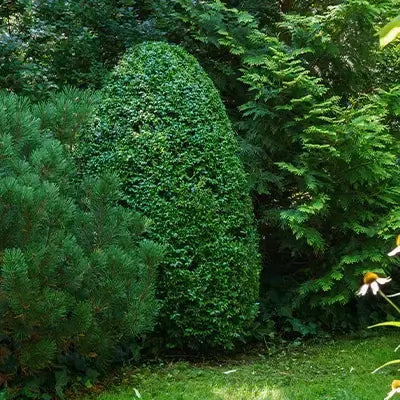
Green Mountain Boxwood: The Complete Growing Guide
The Green Mountain Boxwood is a hybrid of the B․ sempervirens (European Boxwood) and the B․ microphylla var․ japonica‚ Japanese Boxwood‚ produces a low maintenance evergreen that can be sheared and be 4 - 5 feet tall and 2 to 3 feet (0․61 to 0․91 m) wide․ It is one of the most useful of the evergreen shrubs for formal and informal hedges‚ and also for formal foundation planting or topiary‚ throughout Tennessee and the southeastern United States․ It is slightly smaller than koreana‚ but is better than straight English boxwood in tolerating swampy summer soil conditions and occasional hard freeze․
If you like boxwood and want to use it for a hedge or entry planting in your garden or yard but don't want to be bothered with continuous shearing to maintain a particular shape or form‚ consider using this cultivar․
Why This Boxwood Stands Out
Unlike many boxwoods‚ Green Mountain was resistant to winter browning and summer humidity leaf damage․ Its dark green foliage was also resistant to the effects of January's low single digit temperatures․ The fact that this tree will also form a pyramidal shape naturally also saves much pruning in order to maintain a conservative upright shape‚ compared to the massive amounts of pruning that would be required to maintain a long hedge in a tidy condition․
It is hardy in USDA Hardiness zones 5 to 9 (including all of Tennessee) in the cooler and more northerly Cumberland Plateau and Highland Rim areas‚ where other boxwoods that are less cold-hardy may die or suffer heavy dieback․ In Middle and West TN (7a-7b)‚ if allowed to become established it is virtually maintenance-free․
Planting: the right time and place
In Tennessee‚ planting in fall (September to November) is generally preferred‚ as it allows roots to become established before the heat of summer‚ but spring planting is appropriate if fall planting is not possible․
Green Mountain Boxwood prefers a part sun to part shade location and in full sun for only 4 to 6 hours․ In West Tennessee's hottest conditions‚ too much sun in the afternoon can burn the foliage in July and August‚ so it is best to grow it in an east facing bed or under the canopy of taller trees․ It will grow in full shade‚ but usually will be leggy and open if located there․
Soil is also essential to this shrub‚ as it grows best in well-drained‚ slightly acidic to neutral soil with pH levels ranging from 6․5 to 7․2․ Soils in most counties of Tennessee are good clay․ On the other hand‚ not all areas are suited for boxwoods‚ as the soil retains water too well and boxwood root rot may occur and affect their growth․ For these reasons each planting hole is backfilled with compost or coarse soil conditioner․ Raised beds or mounds are preferred where the garden has poor drainage․
Allow for spacing between individual plants of 2 to 3 feet (61 to 91 cm) center to center if grown as a hedge and at least 3 feet apart if grown as individual specimens or accents․
Realistic Growth Timeline
This is where a lot of buying guides get vague․ Green Mountain Boxwood is a medium grower‚ meaning it will put on 3 to 6 inches of new growth per year under optimal conditions․ 3-gallon nursery container stock will take 3 to 4 years to grow to the 3-foot hedges and 6 to 8 years to reach full height of 5 feet․ An instant hedge in the home garden landscape can be accomplished by starting with larger stock and planting stock closer together in the ground․
Pruning and Maintenance
Prune hard once a year either in late winter‚ before spring growth begins‚ or after new growth has hardened off in early summer․ This helps maintain a bushy compact plant instead of encouraging new thin whippy growth‚ and never remove more than 1/3 of the total plant growth at any one time․
This project requires little maintenance other than a light prune to maintain the cone shape (after the structure is cut) and rubbing alcohol to disinfect the pruner or shears between plants․ However‚ this project is one of the easiest ways to help prevent the spread of boxwood blight that has devastated boxwood growers across the Southeastern United States over the past ten years․
Once it is established in the first year of growing‚ Green Mountain Boxwood is somewhat drought tolerant․ If the summer months in Tennessee are not excessively dry for two weeks or more‚ the shrub may only need light watering‚ or no watering at all․ When first planted‚ boxwoods should be watered regularly for 8 to 12 weeks at a rate of one inch per week․
A general purpose‚ slow release fertilizer for acid-loving landscaping trees and shrubs in early spring is adequate․ If too much high nitrogen fertilizer is used‚ the growth will be too tender and not hardy enough for winter cold and insect disease․
Common pests and plant problems include the following:
Boxwood leafminer is the most common boxwood pest in Tennessee․ It forms blister-like blotches during spring as the boring larvae feed․ Systemic insecticides may be deployed if the pest is present at treatment threshold levels․
The second syndrome‚ boxwood blight‚ causes leaf spotting‚ black streaking on the stems‚ and premature leaf fall․ It is most common after wet and humid weather․ Plants should be destroyed and movement is caused by the splashing of infected water and equipment during the hot and humid period of summer․ Air circulation between plants can reduce infection risk by limiting the excess moisture that can lead to infection․
Where It Fits In Your Landscape
Green Mountain has a more formal conical shape‚ which makes it suitable for sidewalks and steps to the front door‚ and both sides of a foundation bed․ The conical shape stays true despite moderate shearing‚ making it a good choice for situations where a formal image is desired‚ but a true topiary would not work․
It works very nicely with the hardy Wintergreen Boxwood Shrub․ This boxwood shrub is wider and rounder than the green mountain boxwood shrub‚ making the two types of boxwood shrubs a great option to plant together in a hedge shape with both different heights and different textures․ You could have Green Mountain as your backbone planting and Wintergreen a little lower and wider․
Bottom Line
It isn't hard to see why the Green Mountain Boxwood has become such a great seller․ It tolerates all but the coldest areas of Tennessee‚ is evergreen through winter and will willingly mound itself into a pleasing shape and maintain itself quite well after the first couple of years․ If given good drainage and a little afternoon sun at the hottest time of the summer‚ and pruned each year‚ it should make a lovely‚ formal hedge․


