
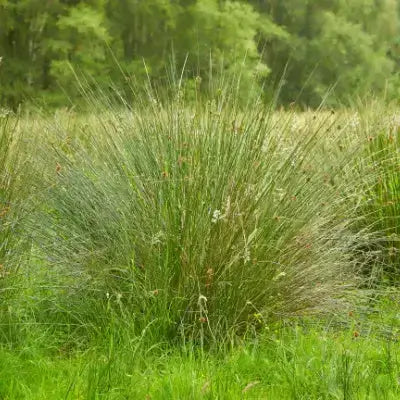
The Green Bulrush: A Remarkable Wetland Plant
The green bulrush is yet another extraordinary species of wetland flora which captures the magnificence of freshwater ecosystems in both its beauty and its importance: BulrushesBulrushes, especially, are some of the most elegant, yet unpretentious, plants one might encounter while enjoying the stillness of a wetland. And like everything else in this world, beauty, unpretentiousness and all, is complex. A Bulrush bulrush is a natural filter and a vital wetland animal habitat. They stand as cultural markers in many societies, too.
The Elegant Green Bulrush: A Beauty of Wetlands
The green bulrush is an elegant and dominant plant, especially in wetlands ecosystems. When in bloom, green bulrushes stand above most of the surrounding vegetation. Their brown and green bulrushes are beautiful and striking, particularly with the sun glimmering on a body of marshy water. One of the most breathtaking elements is the plant's verticality, seemingly going on forever. When one bulrush is illuminated, especially when partnered with a group of bulrushes, a heavenly glow seems to illuminate the marsh.
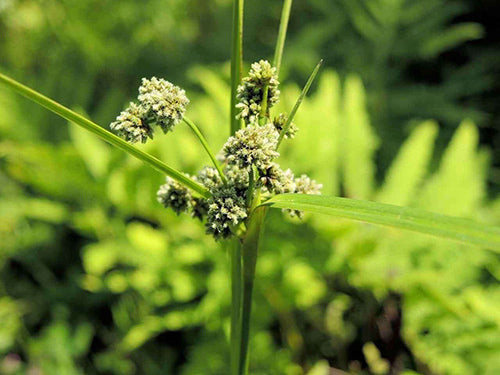
The green bulrush is more than just a pretty plant, it is also a valuable component to the system of wetlands, contributing very much to the ecosystem. One of which is how it functions as a natural filter, it makes the wetlands more appealing and clear by soaking up the extra nutrients, pollutants, and impurities present in it. This contributes a lot towards the well being of the water ecosystem.
The waterproof sods that form, and the maintenance of the sods is another prominent characteristic of the green bulrush that helps maintain the stability of wetland soil. By preventing erosion, the bulrush keeps soil in place, which is important for the stability of wetland habitats. wetland so. If there were no bulrush, these wetlands would be unstable and be prone to degradation and loss of biodiversity.
The bulrush supports a number of birds, including marsh wrens, red-winged blackbirds, and various species of rails. These birds rely on the green bulrush, as well as large plants for protective cover. The bulrush also supports some small mammals, as well as amphibians and reptiles, thereby adding to the biodiversity of wetland ecosystems.
Green bulrush In Wetlands
Besides the physical and ecological aspects, a green bulrush serves a vital role within the wetland. Occupying the lowest position in the food chains, the green bulrush serves food for several herbivorous water birds and insects that enables the flow of energy in the ecosystem. Hence, in a single wetland green bulrush acts as a primary producer and forms the crucial part of the food web sustaining numerous animals.
As noted earlier, decomposition of green bulrush also enhances soil organic matter content, improving soil fertility while helping other wetland plants flourish, thus sustaining ecosystems. Incorporates organic matter, which enhances productivity of the wetland ecosystem. Adds organic matter. Adds organic matter. Adds organic matter. Improves productivity of wetland ecosystems. Its role in wetland nutrient cycling is unparalleled, as it is pivotal in sustaining wetland ecosystems.
Climate Change Mitigation: Green Bulrush and Carbon Sequestration
All wetland ecosystems, including ones with green bulrush, are important in the fight against climate change. They are carbon sinks and can remove carbon dioxide from the atmosphere, and having carbon-storing organic matter enables green bulrush wetlands to sequester carbon for a longer period of time to help mitigate the effects of climate change.
Preservation and restoration of such wetland ecosystems also will enhance the carbon sequestration potential of green bulrush and other associated plants to address one of the most critical environmental issues of our time.
Cultural Importance of Green Bulrush
Other than its ecological importance, the green bulrush has deep-rooted cultural importance, chiefly with the indigenous peoples of the region. For ages, the plant's fibrous stems have been utilized in a variety of crafts, including basket weaving and thatching. Its pliable, yet strong, nature makes it superb bulrush stems for the construction of long-lasting and usable artifacts.
Much of the world recognizes green bulrushes in other ways too. In some they are symbols of strength and the unbreakable tie a person has with nature. They have also been a primary part of a number of indigenous stories and religions where they are symbols of love for nature, and the ability to renew and refresh. The connection to the plant shows the importance of being able to preserve not only the plant along with the traditional knowledge that goes with it.
Companion Plants for Green Bulrush
When adding green bulrush to wetland gardens, it is also vital to its flourishing to add other plants that thrive in the same environment. There are other companion plants that match the green bulrush wonderfully:
Blue Flag Iris: A gorgeous wetland plant with striking blue blossoms, adding vibrancy to wetland regions.
Blue Vervain: A wetland plant with tall blue flower spikes, blue vervain is a favorite of pollinators.
These plants, in particular, combine with the green bulrush to sustain a complex and multilayered ecosystem while adding both beauty and ecological value to the wetlands.
Conclusion: The Importance of Preserving Green Bulrush
To preserve the importance of a Green Bulrush is to understand it as more than a plant. It is a very important part of the wetland ecosystem which also is of great importance to our culture. By knowing the cultural, practical, and everything else importance of the plant, we understand how crucial it is to the ecosystem. Plants like Green Bulrush retain the ecosystem balance of wetland habitats, biodiversity, culture, climate change, and much more.
People can go to TN Nursery to purchase some of the best quality plants intended for wetland areas. You can also find the Green Bulrush in stock.
FAQs
What is the green bulrush used for?
The green bulrush is a plant that has both cultural and practical value. In the past, its stems have been used to make baskets and, in addition, the plant serves the ecosystem of wetlands by filtering water, controlling the erosion of soil, and offering shelter to various animals.
Are bulrushes invasive?
Bulrush
No, bulrushes are considered to be non-invasive. They are found in wetlands and thrive but are not aggressive spreaders outside of their natural environment. Like any plant, however, bulrushes should be managed in gardens to prevent unwanted spread.
Are cattails and bulrushes the same thing?
Cattails and bulrushes are often confused but, in fact, are not the same plant. Cattails are characterized by having big round brown cylindrical flower spikes while bulrushes have smaller green flower heads. Both plants are grown under the same conditions but are from different plant families.
Is bulrush poisonous to humans?
Just like the majority of plants, bulrushes have a lot of benefits to offer, bulrushes do not have any toxic properties to humans. The plant especially has been considered useful in food consumption as well as traditional medicine in some regions. It is important to identify plants before consuming them.
Do bulrushes have any medicinal properties?
Along with traditional application, Bulrushes has some anti-inflammatory and diuretic properties which bulrushes is known for. Certain cultures do consider the plant's roots and stems as ingredients for herbal remedies, however, it is advisable to check with a health expert before administering them, as self-medication is not the best alternative.
What is a bulrush in the Bible?
Bulrushes were described as forming the baskets in which the baby Moses was set adrift and, in later years, this plant became a symbol of hope for survival, tenacity, and endurance.


