
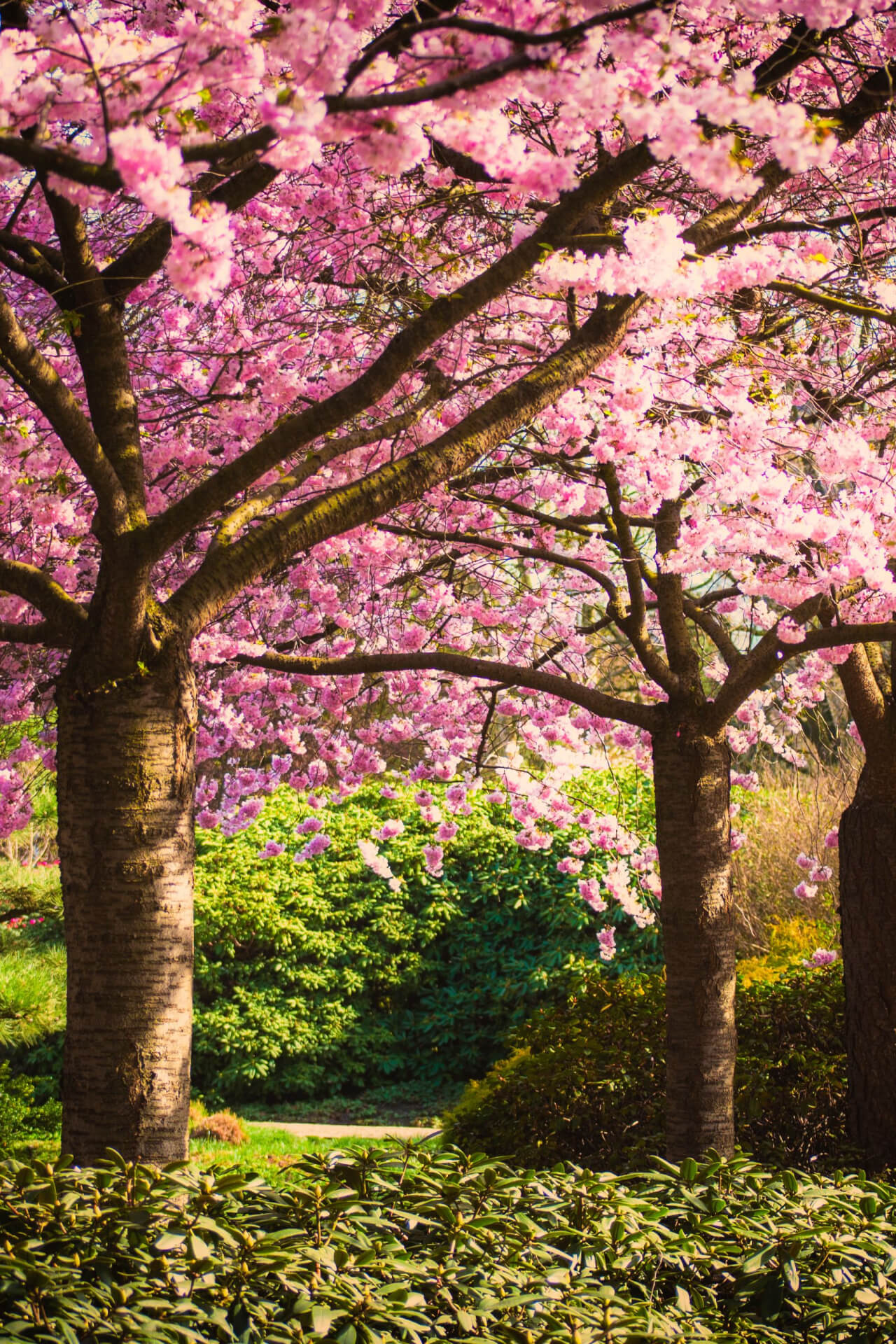
Make your yard a sight to behold with the stunning beauty of flowering trees. These landscape star performers provide color, soothing scent, and structure to the landscape all year round. Colorful flowering trees are exceptionally attractive in the spring and summer seasons and also sustain vital pollinators, such as bees, butterflies, and hummingbirds. We offer healthy and established ornamental varieties at TN Nursery, which grow fast and give you decades of dramatic flowers.
Why Are Flowering Trees Essential for Colorful Landscapes?
Flowering trees are the support of the memorable landscapes, not only because of their seasonal display advantages. These statement plants identify garden beds, outline property lines, and provide aesthetic value all year round.
Planting colorful flowering trees in your landscape will give you:
-
Seasonal drama—Spring or summer plants are planted in yards to turn them into moving art.
-
Increase in property value—Full-grown trees make the property very attractive.
-
Wildlife habitat—Blossoms and branches contain a nesting site for birds.
-
Shade and cooling—Canopy coverage lowers summer temperatures and energy expenditure.
- Low-maintenance beauty—Most of them do not need a lot of care once they are established.
The horticultural specialists of TN Nursery consider the bloom time, the growth rate, and the hardiness to suggest flowering trees for landscapes that can flourish in your particular conditions.
Key Traits to Look for in Ornamental Flowering Trees
To choose the appropriate ornamental flowering trees, an individual has to know which features provide long-term pleasure.
The length of the bloom and the time of the year play an important role. Flowering trees' spring blooms lovers are glad to see for only 1-2 weeks, and ones that last months. Think of embracing bloom periods to provide continuity of interest in the seasons. Growth and size maturity prevent headaches in the future. Flowering trees that grow fast are only good at creating a dramatic effect, but can be overwhelming in small yards.
Temperature extremes and hardiness guarantee survival, and disease resistance lowers maintenance requirements. Select plants genetically modified to resist frequent diseases such as powdery mildew or fire blight. Multi-season appeal covers as much as possible. Along with spring flowers, look at the color of foliage in the fall, or beautiful bark, or unusual branching form.
Best Flowering Trees to Add Seasonal Color
TN Nursery has superior flowering trees that are known for their dependability and spectacular performance:
Yoshino Cherry Tree
The Yoshino Cherry Tree is one of the most popular spring-blooming flowering trees, as it presents clouds of pale pink to white flowers at the beginning of spring. It grows to a height of 30-40 feet, forming a beautiful canopy that is suitable for large properties and attracts many pollinators.
Greensleeves Dogwood
This is a special, colorful flowering tree that flowers in mid-spring, having white leaf margins with a green shade. Greensleeves Dogwood is 15-20 feet tall, so it fits well in a small yard and is an excellent disease-resistant plant with a very nice fall color.
Red Buckeye Tree
This native is good to use in the shade gardens and bears tubular flowers, which are red in color and are a favorite with hummingbirds, and bloom during early spring. Being one of the most wildlife-unfriendly flowering trees for landscaping, the Red Buckeye Tree grows to a manageable 15-20 feet and can withstand partial shade where most flowering trees fail.
Persian Silk Tree
Mimosa is also called Persian Silk Tree, and it also produces pink, powder-puff flowers in the summer when other trees that are supposed to be in flower have already flowered. It is one of the flowering trees that grows fast to 20-30 feet and has fragrant flowers, which attract butterflies.
The USDA National Arboretum states that the proper choice of flowering trees depends on their regional activities in order to establish well and require less maintenance.
How to Design Your Landscape Around Flowering Trees
It is wise to have ornamental flowering trees strategically placed. Form focal points by setting specimen trees where they dominate—at corners of a front yard, at the entrance to the driveway, or where they are seen through an indoor living area. One flower of color, such as the Yoshino Cherry, is the center of attention during the high season. Plant early flowering plants such as Red Buckeye, with mid-season Greensleeves Dogwood, and late summer Persian Silk Tree to have flowers from early spring all the way to summer.
Take into account underplanting and backdrop to improve displays. Black spruce or pine backgrounds contrast with the white or pink flowers, and the shade-resistant perennials below the canopy are complementary. Adhere to adult sizes in positioning. The full-grown height and spread should be considered to prevent a clash with structures or utilities. Your property should not rely on landscaping trees.
Care Tips to Encourage Healthy Blooms Each Year
Even low-maintenance flowering trees are the beneficiaries of proper treatment:
- Properly plant in a hole that is twice the width but not more than the root ball. Add compost to the heavy clay to enhance drainage and healthy microbial diversity to promote the healthy growth of roots.
- Water intensively in the initial two growing seasons—long-term health depends on the initial two growing seasons. Give 1-2 inches once a week, making the whole root zone moist.
- Apply organic material to the drip line to 2-4 inches. Mulch should not be placed around the trunk to avoid rot. The decomposition of mulch nourishes soil organisms and makes roots healthier.
- Prune after the end of flowering. Eliminate dead or crossing branches to preserve form and allow air circulation. In flowering trees, spring blooming occurs first, but they are not pruned later in the year when flower buds of the next year are formed.
Conclusion
Flowering trees make landscapes living galleries praising the beauty of the seasons. You can go romantic with the Yoshino Cherry Tree, grace it with the Greensleeves Dogwood, attract the hummingbird with the Red Buckeye Tree, or have fun in the summer with the Persian Silk Tree. You will find them worth a lifetime.
The colorful flowering trees are some investments that increase in beauty every year. Once you order high-quality trees at the TN nursery, you have the support of knowledge and good-quality trees that will flower consistently through the generations.
FAQs
What are the best flowering trees for home landscapes?
The varieties of cherry, dogwood, redbud, and magnolia have impressive blooms that are of a manageable size and are suited for residential areas.
When do flowering trees bloom?
The flowering period of different species depends on the species—early spring bloomers begin in March, and late-summer ones, such as the Persian Silk Tree, bloom during the month of August.
Are ornamental flowering trees low-maintenance?
Yes, when in the right place, most should only need light pruning, little fertilizer, and watering during dry periods.
Do flowering trees attract pollinators?
Yes, definitely—during the period of growth, flowers are a very important source of nectar and pollen to bees, butterflies, and hummingbirds.
YoshinoWhich tree is used for decoration?
Decorative landscape plants such as cherry, dogwood, and magnolia are most often made with ornamental flowering trees.
Where can I buy quality flowering trees online?
TN Nursery is a source of professionally cultivated, healthy flowering trees that are delivered to your home.


