
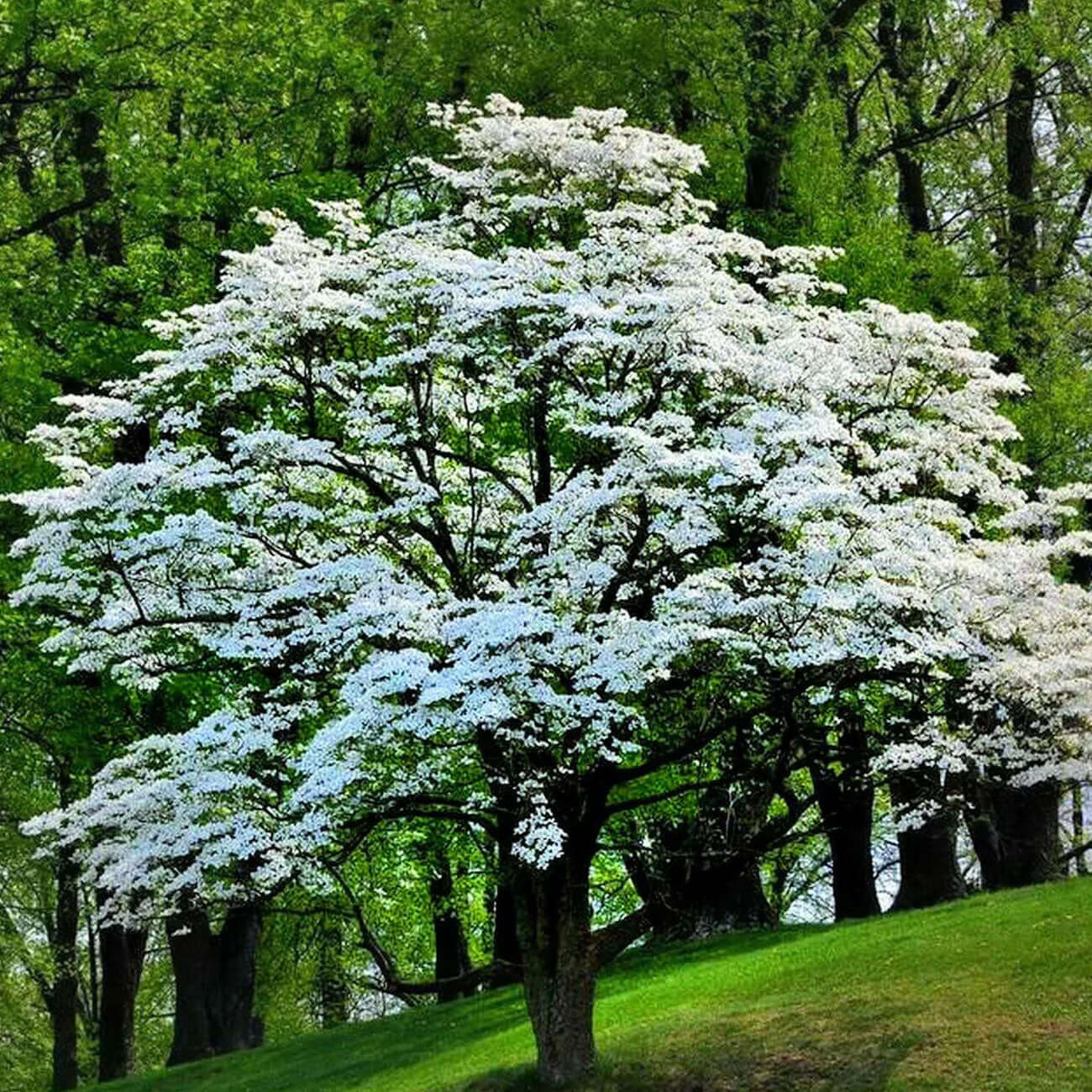
The appropriate choice of flowering tree is the key to creating a stunning oasis in your backyard. We grow nursery-grown plants at TN Nursery, such as the beautiful Crepe Myrtle and glamorous Kwanzin Cherry Tree, which are known to flourish in all types of gardens.
Flowering trees are not only good to look at. They provide shading, they attract pollinators, they add value to your property, and they form features of focus in your landscape. The choice of fragrant flowering trees to fragrant evenings to the fast-growing flowering trees, which can also create privacy in a short time, the appropriate choice of trees can turn the ordinariness of the yard into a miracle.
Which Flowering Trees Are Ideal for All Landscapes?
Popular
The choice of the ideal flowering tree is based on the knowledge of the landscape features and aesthetic values. The most suitable ones fit different types of soil, place endurance in regional climates, and provide steady seasonal performance.
Crepe Myrtle is one of the most widespread ornamental flowering trees in terms of its use. This is a Southern favorite, and it gives breathtaking summertime flowers in shades from white down to rich purple. The Sioux Pink Crepe myrtle has beautiful pink flowers, and it has great resistance to diseases.
The main features of flowering trees that are landscape-compatible:
-
Adaptability: Grows in soils of different types.
Plant
-
Breeding
Hardiness: It withstands changes of temperature and season.
-
Winter
Appropriateness in size: Matches your available landscape size when it grows up.
-
Low maintenance: Minimum pruning and pest control requirements.
wisteria
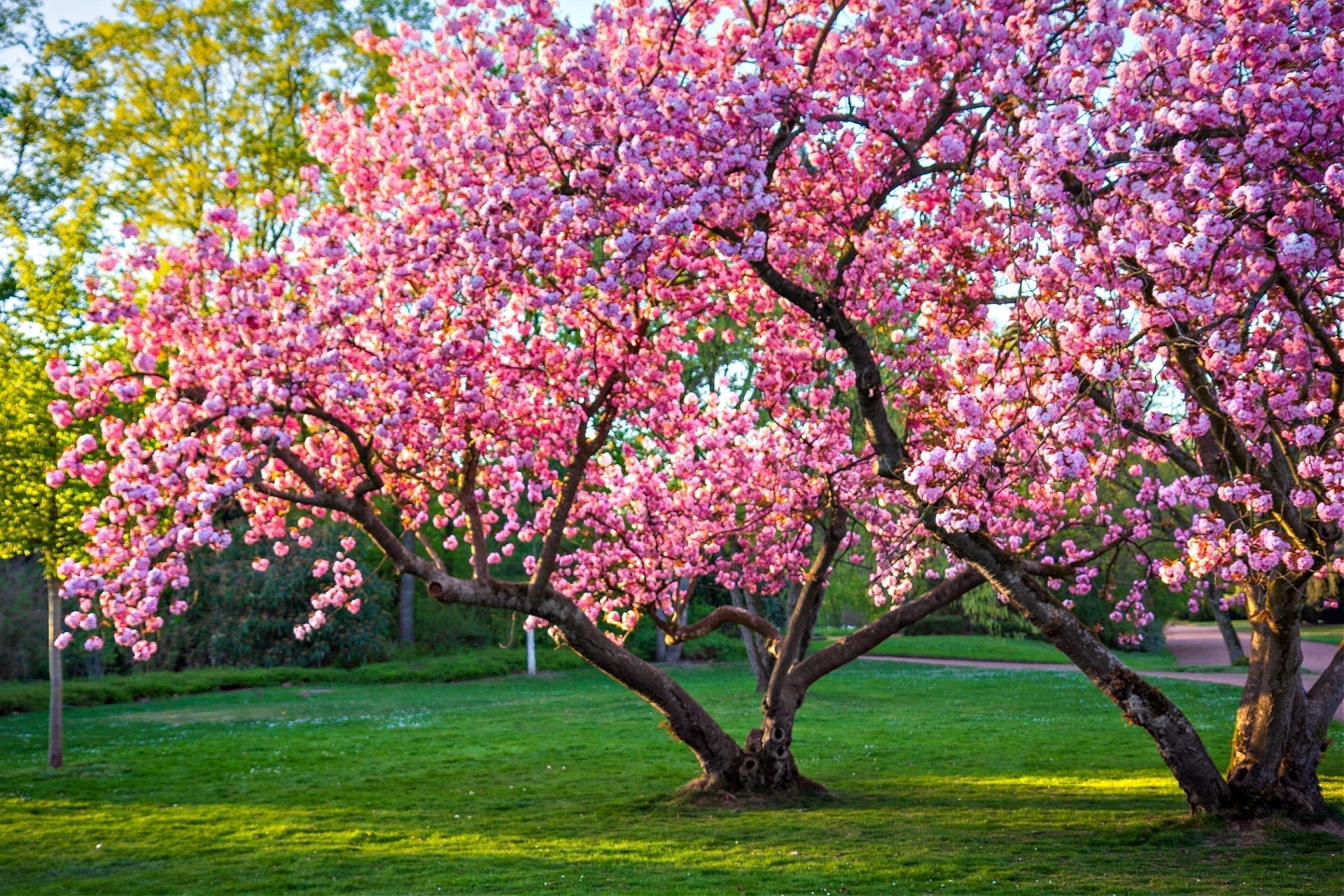
The Kwanzan Cherry Tree has breathtaking blossoms of double-pink every spring. This flowering tree grows well in the urban environment and thrives well in the USDA zones 5-9.
To be unique, the Wisteria Tree has a mixture of cascading beauty and a manageable tree form. Its sweet purple flowers make beautiful late-spring shows with annual architectural appeal.
How to Choose Flowering Trees That Bloom Every Year?
Annual flowers need to be reliable, and so to be able to bloom, one should choose varieties that are suitable for your climate zone and ensure good growing conditions.
Climate zone compatibility is the basis of successful flowering. TN Nursery cultivates plants that are acclimatized to work in various hardiness zones. Make sure you check your USDA zone before buying.
Selection suggestions for regular blooming:
-
Select established performers: Select varieties that are proven in your area.
-
Know blooming timing: Plan for succession to bloom early, mid, and late.
-
Proper care: Take good care of watering, fertilization, and proper pruning.
Landscapes are given sensory value by the use of fragrant flowering trees such as the Persian Silk Tree. Its powder-puff pink flowers give out a sweet fragrance during summer.This is one of the fastest-growing flowering trees, and in a few seasons, it grows to a very large scale.
The performance of flowering is greatly influenced by the quality of soils. TN Nursery cultures in deep root growing media, with good nutritive value, and a promotion of microbial diversity.
Flowering Trees That Attract Birds and Pollinators
Creating a wildlife-friendly landscape is good for your garden and the environment. Flowering trees are the sources of food and breeding grounds of birds, butterflies, bees, and useful insects.
There are many pollinators to the Crepe Myrtle in its long summer bloom season. Bees collect pollen and nectar, and hummingbirds take place during the day. Fall feeding: Singer birds feed on the seeds.
Pollinator-friendly features:
-
Rich nectar: Will sustain bees, butterflies, and hummingbirds.
-
Availability of flowers: Open flowers are freely accessible to the pollinators.
-
Long flowering: Provides long periods of food supply during growing periods.
-
Adapted species: Benefits local population of pollinators.
The Kwanzan Cherry Tree is an important source of early-season pollination as well as pollination throughout the rest of the year, when there are limited sources of food.
The Wisteria Tree produces magnificent pollinator magnets that have cascading clusters of flowers that are fragrant. Wisteria blossoms are particularly popular with the bumblebees, and building masses of bushes offers good places to nest.
Sun-Loving vs. Shade-Tolerant Flowering Trees
The knowledge of light requirements will provide active growth and avoid poor performance. The majority of ornamental flowering trees are full-sun, with few being tolerant of some shading.
Full-sun flowering trees such as the Sioux Pink Crepe Myrtle flower best in direct sunlight with 6-8 hours per day. In sunny places these specimens bloom the most prolifically and have the strongest branch structure.
The Persian Silk Tree is a fast-growing flowering tree that grows in complete sun and is classified as one of the fastest-growing trees under optimum conditions. It is suitable in sunny and tricky locations, as it is heat tolerant and drought resistant.
Light requirement specifications:
-
Full sun (6-8+ hours): Crepe Myrtle, Persian Silk Tree, Kwanzin Cherry.
-
Partial sun/shade (4-6 hours): Wisteria Tree, certain cherry varieties.
-
Preference to the morning sun: East-oriented places are softer.
It is important to remember that flowering in fast-growing flowering trees is slowed by lack of light as well as flowers fading. TN nursery gives thorough light requirement details of each variety.
Planting and Caring for Flowering Trees
When you invest in a flowering tree, proper installation and maintenance will guarantee decades of beauty.
Preparation and planting of the sites
Select sites that have sufficient amounts of light exposure, sufficient space to mature, and well-draining soil.
Planting steps:
-
Prepare appropriate holes: Dig holes 2-3 times greater than root balls but not deeper.
-
Fix soil: Blend compost to enhance drainage and nutrients.
-
Set in the proper place: Lay at the same level as nursery containers.
-
Water well: Settle soil and release the trapped air.
-
Mulch properly: Place 2-3 inches of organic mulch at a distance from the trunks.
Ongoing Maintenance
-
Watering: Flowering trees for landscaping that were newly planted require regular watering during the initial growing period. Water deeply but sparingly to promote deep roots.
-
Fertilization: Use level, slow-release fertilizer at the beginning of the spring. Boosting mid-season feeding of fast-growing flowering trees.
-
Pruning: Prune trees that flower, and then after they have flowered, prune them. Crepe Myrtles and other summer bloomers are to be pruned late in the winter.
Conclusion
Planting the appropriate flowering tree will make landscapes a colorful masterpiece that will bring beauty, fragrance, and environmental gain to generations. You can have fragrant flowering trees, such as the Persian Silk Tree; fast-growing flowering trees, such as the Crepe Myrtle varieties; or such classic ornamental flowering trees as the Kwanzan Cherry; whatever type of tree you select, you will be guaranteed success with proper choice.
The products offered at TN Nursery are reliable and nursery-grown products such as Crepe Myrtle, Sioux Pink Crepe Myrtle, Kwanzan Cherry Tree, Wisteria Tree, and Persian Silk Tree. Begin making your fantasy landscape with great flowering trees for landscaping.
FAQs
What flowering trees grow well in sun and shade?
The majority of flowering trees, like oak trees, like full sun to flower well. The Wisteria Tree can be adjusted to 4-6 hours of sunlight, and the Crepe Myrtles and Persian Silk Trees can be placed in full sunlight. TN Nursery shows the particular light requirements of the varieties.
How do I care for flowering trees after planting?
Water thoroughly throughout the initial growing period, spread 2-3 inches of organic mulch cover, and fertilize at the beginning of spring. Bloomers of prune in the spring after flowering and summer in late winter. Check on pests and supplement water when there is a drought.
Which flowering trees bloom longest?
Crepe Myrtles have the longest flowering period, blooming from midsummer through fall. The Sioux Pink Crepe Myrtle offers months of pink flowers, and the Persian Silk Trees offer summer-long flowering with fragrant flowers.
How are flowering trees shipped from TN Nursery?
TN Nursery delivers trees that have secured root systems covered with moisture-resistant material. Plant conditioning is done prior to transportation, the weather is observed, and elaborate care guidelines are followed. Trees come in with formed root systems to plant.
What flowering trees attract pollinators?
The flowering trees in all TN nurseries are of interest to pollinators. Crepe Myrtles attract bees and hummingbirds, Kwanzan Cherries have early-season pollinators, and Wisteria Trees have bumblebees. Persian Silk Trees are sources of summer nectar to butterflies and bees.
What is the most beautiful flowering tree?
The Kwanzan cherry tree is one of the most splendid and has piles of double pink spring flowers. The Wisteria Trees are also very beautiful trees, with cascading flowering, which has a wonderful smell, and the Crepe Myrtles are also very beautiful trees with long summer colors. Select according to your tastes and topography.
Which flowering tree grows the fastest?
The Persian Silk Tree is one of the fastest-flowering trees, and it grows without taking many years before it reaches 20–30 feet. Crepe Myrtles are also fast-growing species, and in a period of 3-5 years, they develop tremendous size. These are excellent plants to be used in new landscapes due to their rapid growth and beautiful flowers.


