
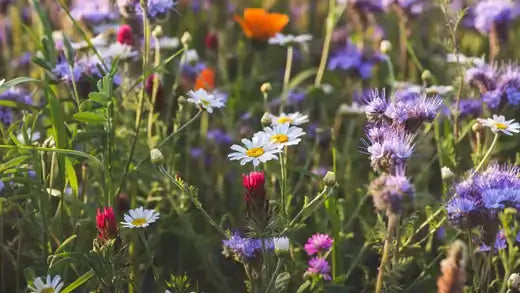
Mastering Flower Arrangement for Beginners
Floral design or flower arranging is the art of using plant materials and flowers to create a visually pleasing and balanced composition․ Learning flower arranging is simple‚ but the range of flower arranging styles and design types can be intimidating for those who are inexperienced with flowers and arrangements․ With a little enthusiasm and a willingness to experiment‚ anyone can learn to put beautiful flowers together․ This guide will explain the fundamentals of floral design‚ from the very moment you pick up flowers from the market‚ until the last finishing touches that make your arrangement a work of art․
The first step and probably the most important one in the art of flower arrangement is the choice of flowers․ It is usually based not only on the nature of the occasion‚ but often on the season․ For beginners‚ arranging a bouquet of just two or three flowers may be advisable‚ as each flower has its personality‚ beauty and meaning․ Such flowers include the rose‚ the daisy‚ or the sunflower․ Bright yellow sunflowers may create a warm‚ cheerful feeling‚ while blooms of white or ivory lilies may provide a feeling of purity and a calm atmosphere․ To help ensure that your arrangements will last as long as possible‚ you may also want to learn about the care and longevity of the flowers․
Select Vases of Varied Heights and Widths
The other half of constructing an arrangement‚ once you have the flowers‚ is the vase․ The vase not only structures the arrangement‚ but dictates how the viewer approaches the arrangement and interacts with it․ Select vases of varied heights and widths to help dictate the shape of the overall arrangement‚ such as a tall‚ narrow vase for a limited number of long-stemmed flowers such as calla lilies or snapdragons․ Another option is to use a short‚ round vase and make a compact‚ tight arrangement․ This will allow for a lot of flowers so that the arrangement feels more overflowing‚ with more of a sense of abundance․ You also want to make sure that the proportions are right for your vase․
Knowledge of color theory‚ as colors are used to create mood and convey feelings‚ is also important in flower arranging․ The color wheel can be used to select color schemes․ Complementary colors‚ those opposite each other on the wheel‚ create high-contrast‚ high visibility images․ Analogous colors‚ for example‚ used close to each other can communicate a more peaceful and harmonious message and a color combination that is less bold․ Knowing this allows you to take your viewers on an emotional journey through your arrangement․ The soft pastels of spring blossoms give a feeling of calm‚ while rich red and purple colors may connote passion and romance․ By careful choosing of complementary colors‚ a bouquet may create a very specific mood in its observer․
Use Foliage to Add Contrast with Flowers
In addition to flowers‚ foliage‚ which includes leaves‚ stems‚ and branches‚ is also used often to add dimension and depth to the composition as well as texture to the completed piece․ Foliage is commonly used in arrangements to provide contrast with the flowers and also to fill in and complete gaps․ Foliage can include ferns or eucalyptus leaves or herbs such as rosemary‚ which can all add further colors to a flower arrangement․ Choosing the right leaves can help to create a shape for your arrangement that will frame it‚ bring the eye to certain points and create a feeling of unity for the entire design․
At the time of preparing the flowers and foliage‚ the technique of layering is employed․ Layering involves the placing of blooms of varying heights and sizes on top of each other to create the illusion of depth․ To create a sense of movement‚ vary the size of flowers in the bouquet․ Larger blooms should be at the back and smaller ones in the front․ Overlapping flower petals and varying the angles at which flowers are placed will create a more three-dimensional effect that will not only look good‚ but will also invite the viewer to take a closer look and appreciate the details․ By layering the arrangement can create a three-dimensional floral portrait rather than just a two-dimensional composition․
To summarize‚ floral arrangement is an art that requires skill‚ knowledge‚ and a little bit of practice․ These tips can help you to get started; when making a floral arrangement‚ choose flowers that you like and that fit the occasion‚ choose a vase that works with the arrangement‚ and consider color and foliage․ Use layering‚ use it in your own way and let your imagination reign․ With an open heart‚ and an inquisitive mind‚ flower arranging shouldn't be a chore or an intimidating enterprise‚ but a wonderful outlet for your creativity․ The light you can bring to any room in your house‚ or happiness to someone on their special day by creating something beautiful with flowers will not be forgotten․


