
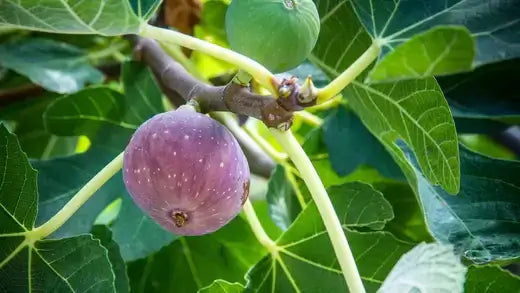
About figs‚ a sweet and odd fruit‚ it is often said that they are reminiscent of warmth‚ history and the fine balance of nature․ Figs are the fruit of the fig tree‚ a flowering tree of the family Moraceae (mulberry family)‚ cultivated since ancient times in numerous cultures throughout the world․ Since figs do not ripen at all times the same‚ each fig variety has its advantages for the grower․ Though fig trees and nostalgia are customarily associated‚ fig cultivation is also a subject of current interest‚ with customary agriculture being revived in various parts of the world․ Knowledge and understanding of types of figs and their growing conditions helps to understand the health benefits of figs․
There are many cultivars of fig trees with differing characteristics and tastes․ Among the most common are the Black Mission fig with its dark purplish skin and sweet taste‚ the Kadota fig with its light green skin and sweet taste which is ideal for canning‚ and the Adriatic fig with its sweet‚ honey-tasting flesh and dark green skin that makes it a market favorite․ There are many other cultivars of figs: for example‚ the Brown Turkey fig is a hardy‚ productive fig and the Calimyrna fig is most often used in Mediterranean cooking․ In addition to these‚ there are many more varieties of figs that may be eaten fresh‚ make good dried figs‚ or be used in cooking or jams․
Fig trees benefit from a climate that is warm enough and has sufficient variation in temperature between seasons to promote fruit growth‚ and typically grow in temperate and subtropical climates․ Other areas that have climates well-suited to fig production are the Mediterranean‚ parts of California‚ and parts of Australia․ To produce their sweet and juicy fruits‚ figs need six or more standard hours of sunlight each day‚ year-round․ Although the fig trees are sun-loving plants‚ the young figs should be protected from bitter winds and frosts as much as possible to ensure good growth and increase production‚ getting a good harvest from the tree․ The trees are well adapted to warm climates․
Soil Quality
Soil quality also plays a major role in how well fig trees grow․ An ideal fig tree soil is well-drained and has a lot of organic matter‚ which helps to provide nutrients to the roots․ Fig trees can be grown in sandy loam‚ soil composed of sand‚ silt and clay‚ as it allows for drainage of excess water while allowing nutrient absorption․ This may also help prevent root rot‚ often a consequence of waterlogging‚ a danger when cultivated in heavy clay soil․ Compost containing well-rotted manure can be incorporated into the soil before planting‚ as it improves the structure and nutrient content․ It is another element that can be essential in improving the ecology of the environment one wishes to work within․
Watering
Watering is also involved with fig growing: immature fig trees need to be watered to establish the fig tree's root system․ One of the most important issues with growing these trees is watering‚ especially during the first few years after planting․ Too much watering can cause root rot while too little causes stress on the tree․ Fig trees are relatively drought tolerant․ Once established‚ given good drainage‚ they will survive on infrequent watering: a weekly deep watering when temperatures are hot will work to keep the tree growing well․ It is important to check the forecast and water deeply enough to sustain the tree without causing it to rot․
Health Benefits
Besides their use as a food and their sweetness‚ figs are nutritious components of a well-balanced diet and are a good source of dietary fiber‚ which helps ease a smooth digestive process and helps one feel more filled after eating․ Figs are a source of vitamin B6‚ potassium‚ magnesium and calcium․ In addition‚ figs are a good source of antioxidants that can help lower inflammation and lower the risk of chronic diseases․ Figs are a good way for those interested in a healthier diet to satisfy their sweet tooth and get some extra vitamins and minerals in the meantime․
In conclusion‚ fig trees are a fruitful and helpful addition to any garden or diet․ Understanding the types of fig trees‚ their growing requirements‚ and their health benefits can help us appreciate the importance of this extraordinary plant in our lives and preserve its importance in nature and culture․ If one considers the climate‚ soil and water they prefer‚ figs can be a fine addition to one's garden․ They can result in the creation of a beautiful tree that can be fruitful for body and soul․ As long as they are cultivated and eaten‚ they continue to offer their sweetness and to symbolically carry the meaning of their importance․ Whether eaten fresh‚ dried‚ or cooked‚ figs are an experience of nature that nourishes both the body and the soul․


