
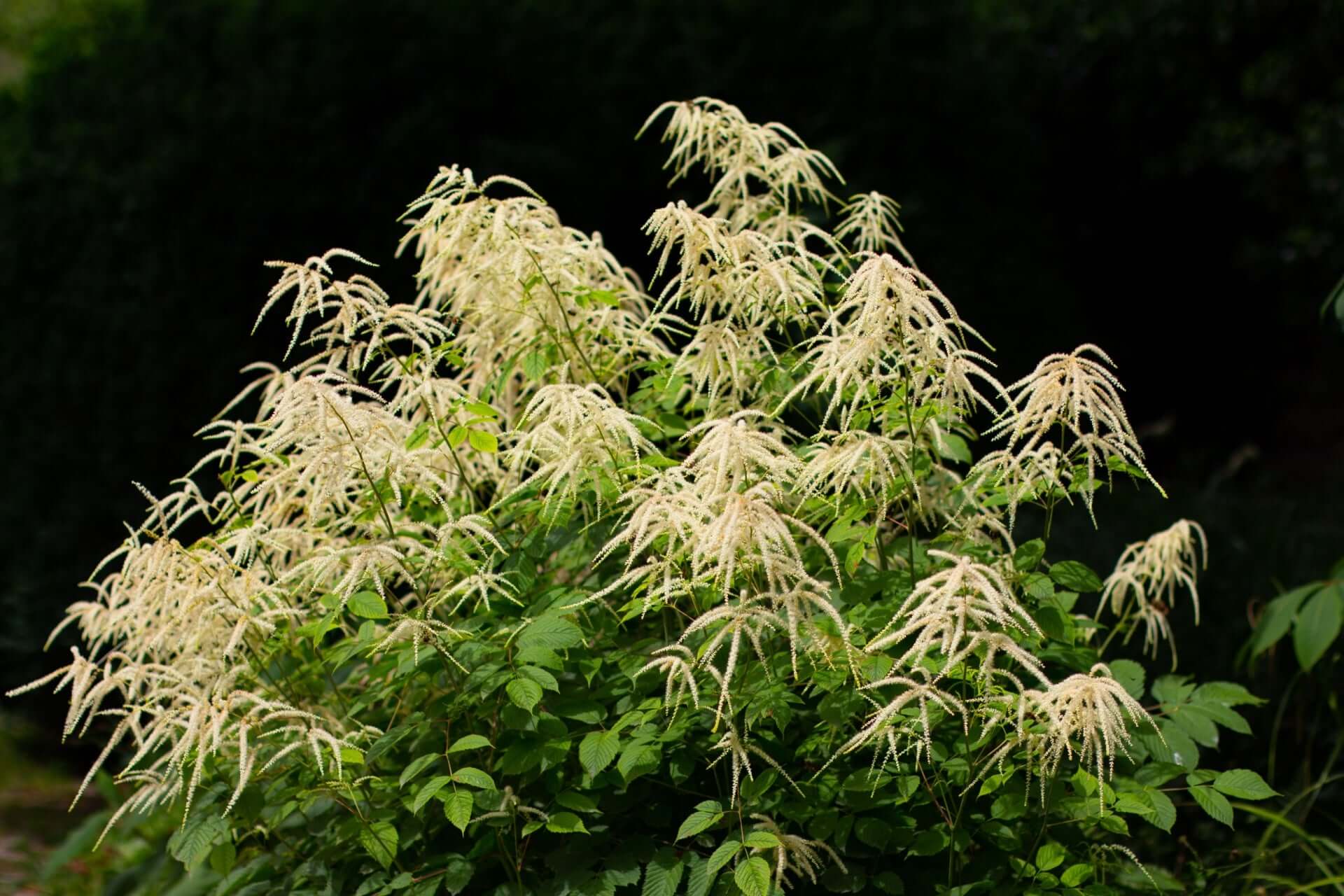
The Goat's Beard plant, scientifically known as Aruncus dioicus, is an eye-catching perennial that brings natural charm to shaded garden areas. With its tall, feathery plumes of creamy white flowers and lush, fern-like foliage, this plant can add texture, volume, and wild beauty to any landscape. Often likened to the appearance of an astilbe, the Goat's Beard can grow much larger and more robust, making it a stunning feature plant for shaded gardens or woodland settings.
This perennial is known for its adaptability, elegance, and ability to thrive in places where other plants may struggle. Below, we'll dive into some key aspects of growing and caring for Goat's Beard, answering essential questions about where, when, and how to plant it, along with its native status and hardiness zones.
Where is the Best Place to Plant a Goat's Beard?
Goat's Beard thrives in locations resembling its natural habitat, typically moist, wooded areas. It's a shade-loving plant, making it an ideal choice for gardens that receive dappled sunlight or partial shade. Full shade is acceptable, but its blooms may not be as prolific. If you have an area under a large tree or near the edge of a wooded garden where other plants tend to falter due to limited light, Goat's Beard can fill the gap beautifully.
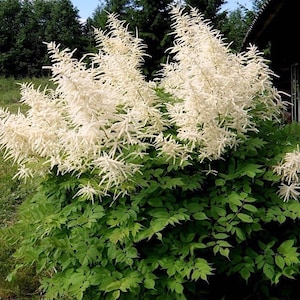
It favors rich soil and retains moisture. Its roots require consistent moisture, so selecting a spot near a water source, like a pond or shaded stream bank, is often ideal. However, it's essential to ensure the soil is well-drained to prevent waterlogging, which can harm the roots. This perennial can tolerate drought once established, but regular watering is critical to its lush growth and profuse flowering, especially in dry spells.
Planting Goats Beard
It is hardy in zones four through eight but may struggle in the heat of zone eight. If you live in a hot climate, it is recommended that you plant it in full shade and provide it with plenty of water.
Fortunately, the goat's beard is a robust plant that practically takes care of itself. With the right start, it will reward you for years to come. Keep reading for our product listings:
In cooler zones, the goat's beard plant can tolerate full sun and it thrives in part shade. If it's grown in hot climates, it will benefit from more shade.
The goat's beard plant is a dramatic plant with soft plumes of white flowers. It is native to the United States and does best in moist locations. This bush-like plant has an upright growing habit and is a deciduous perennial in most USDA zones.
These next few plants are similar to goat's beard in their appearance, care requirements, or individual features. Whether they are used in companion planting or to create a unifying theme in the garden, these plants pair well with the goat's beard.
The goat's beard plant is an easy plant to take care of. If planted in the right conditions, it requires little (if any) maintenance. Here is a step-by-step guide to planting and growing the goat's beard plant:
Its Latin name is Aruncus dioicus and is part of the rose family. This plant is best suited for rain gardens, woodland gardens, and semi-shaded outdoor areas.
This plant is a deciduous perennial, meaning that it will lose its leaves in winter, but will regrow in spring. It spreads by rhizome. Goat's beard plant can be propagated by seed or by division.
Goat's beard shows off dramatic plums of white flowers that resemble fireworks. It blooms in late spring and early summer adding liveliness to the garden. It has an upright, bushy growing habit and is low-maintenance. It has little problems with pests and diseases, especially when it's planted in the proper conditions.
Needing constant moisture is what makes the goat's beard plant ideal for rain gardens and woodland gardens. It does not do well in hot and dry climates and suffers when it dries out.
The goat's beard is one of the plants that can withstand woodland conditions. This plant feels right at home in woodlands thanks to their rich, moist soils and ample shade.
It can be tricky to find plants for rain gardens. Goat's beard , however, is an ideal plant choice for rain gardens due to its need for moisture. Whether you have a pond, creek, stream, or wet spot in the garden, this plant will provide you with lush growth every summer.
Water the plant thoroughly to establish the plant and eliminate any air pockets in the soil
Goats Beard Care and Watering
Zones: 3 to 8 Sun exposure: Full shade Mature height: up to 2 feet Water: Average Best for the middle of borders, woodland gardens, and shaded gardens
Soil and Sunlight for Goats Beard
Find the right location, this spot should be moist and receive partial shade throughout the day
When to Plant a Goat's Beard?
The best time to plant Goat's Beard is in early spring or fall when the soil is cool and moist. Spring planting lets the plant grow its roots before the summer heat kicks in, which is especially important for this moisture-loving species. If you plant in the fall, ensure it's early enough for the roots to get established before the first frost.
To plant, dig a hole to accommodate the root system without crowding. Goat's Beard grows into a large, bushy plant, so spacing is critical-leave at least two to three feet between plants to allow them to reach their full potential without competing for space. After planting, water thoroughly and maintain even moisture to encourage healthy root development. Goat's Beard is slow to establish in its first year but will reward your patience with substantial growth in the following seasons.
Is Goat's Beard Native or Invasive?
Goat's Beard is a plant native to many parts of North America, especially the northeastern United States. It naturally grows in shaded woodland environments, so it performs well in garden settings, replicating these conditions. Unlike invasive species, Goat's Beard doesn't aggressively spread or outcompete native flora. Instead, it grows in clumps that expand slowly, allowing easy management.
One of the reasons gardeners so love Goat's Beard is its ability to integrate beautifully into native plant gardens. Its lush, feathery plumes provide a soft yet striking backdrop for other native species, creating a harmonious ecosystem that benefits local wildlife. Its blooms attract pollinators, including bees and butterflies, while its dense foliage provides shelter for small creatures. Given its native status, Goat's Beard can be a valuable addition to gardens to support biodiversity.
About Goats Beard
Woodland gardens have been gaining in popularity over the past few years. With more people moving into the country, woodland gardens have become more commonplace.
The goat's beard is native to continents in the northern hemisphere. It is naturally found in the mountainous regions of Eurasia and North America. Here in North America, the goat's beard can be found in woodlands and along bluffs.
Dig a hole that will be deep enough for the roots but not too deep that you are burying the stem
What Zone is the Goat's Beard Plant in?
Goat's Beard is a hardy perennial, thriving in U.S.D.A. zones 3 to 7. This range means it can withstand cold winters and return year after year without much fuss. In the warmer parts of its range, such as zone 7, it may require more attention to ensure that it doesn't dry out during the hottest months, as this plant prefers cooler, moist conditions.
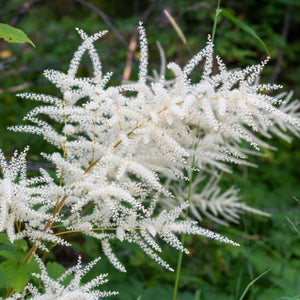
In colder zones, Goat's Beard is remarkably resilient. Its foliage will die back to the ground after the first frost, but its root system remains robust underground. Once spring arrives, new shoots emerge, and by late spring or early summer, it will be back in full bloom. In addition to its hardiness, Goat's Beard has some deer resistance, making it a reliable choice for rural or wooded gardens where wildlife can sometimes pose a challenge.
A Plant with Timeless Appeal
Incorporating Goat's Beard into your garden can instantly elevate the aesthetics of your outdoor space. Its tall plumes of flowers are a visual delight and a boon to pollinators. The lush greenery it provides throughout the growing season makes it a strong contender for gardeners seeking a plant that thrives in shade and adds dramatic height and texture.
With proper care and attention to its water and shade needs, Goat's Beard will establish itself as a long-lasting, low-maintenance fixture in your landscape. Whether you're an older gardener or just beginning to explore shade gardening, this native beauty offers ecological benefits and visual appeal that can change even the most challenging garden areas into a thriving, serene oasis.
Black Cohosh Plant Perennials Foam Flower Foam
Goats Beard Problems and Pests
Here at Tennessee Nursery, we work hard to provide the healthiest plants to our customers at the fairest prices. We specialize in native plants (in fact, 94% of our plants are native)! This means they are less susceptible to diseases and pests, plus they help rejuvenate the ecosystem.


