
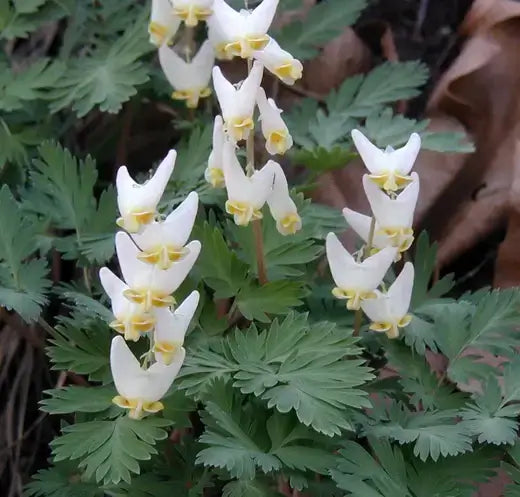
Dutchman's Breeches is one wildflower you can expect to see on a walk through the woods early in the spring․ It pops its head out of the ground where it slept through the winter‚ standing up above the leaf-litter covering the forest floor․ The flower resembles the cut of a pair of old-fashioned trousers‚ hence the common name․ The flowering plant recognized as Dicentra cucullaria is precious to not only the flora domain‚ but also to admirers of the flora-fauna relationship that is so delicately intertwined․ The plant's scientific name provides an even deeper meaning․ Dutchman's Breeches symbolize the return of life as the winter months end and tell the story of delicate ecosystems that can be disrupted by human activity․
The symbol of The Dutchman's Breeches
The symbol of The Dutchman's Breeches may be interpreted as a metaphor for the human experience in terms of resilience․ Just as this plant endures‚ pushing through the soil‚ so‚ too‚ can people learn to move beyond their difficulties and rise again when the odds are against them․ In addition‚ as a symbol of biodiversity‚ this flower reminds us of the value of conserving different forms of life as it provides food and habitation to other forms of life making them interdependent․ The flower‚ with its symmetry‚ is one of the grandest symbols of the natural world․ Just as Dutchman 's Breeches is but one thread of a great cloth‚ however‚ so environmentalists must perceive it as a part of the whole more than as an object of beauty alone․
In its preferred habitat‚ Dutchman's Breeches grows in cool‚ shaded areas of the deciduous forest close to the ground where the flowers are protected from direct sunlight․ Moist soil provides the optimum growing conditions‚ with sufficient soil particles to provide nutrients․ In its native habitat‚ the plant is usually found growing among ferns and other understory plants․ It thrives in well-drained slightly acidic soil with a humus level created by decomposed plant materials‚ such as leaves and other organic matter‚ which helps to the plant's roots absorb moisture and nutrients․ The specificity of their habitat preferences indicates that the balance of the ecosystem they live in is easily disturbed by human or climate changes to their habitat․
The Reproductive Ecology of Dutchman's Breeches
The reproductive ecology of Dutchman's breeches is meaningful to the understanding of how plants adapted to attract specific organisms for pollination․ Dutchman's breeches is dependent on pollination by bumblebees․ Its flower structure and fragrance have adapted to attract bumblebees to its flowers for reproduction․ This complex pattern of pollination allows for production of nectar and the process of pollen transfer which enables reproduction․ The life cycle of Dutchman's Breeches is short as flowers bloom for a short time period‚ after which seeds are littered on the ground for growth․ Because they need to breed and raise young during the short growing season‚ understanding their reproductive needs is a key element in their conservation․
Dutchman's Breeches is Threatened
As with many native plant species‚ Dutchman's Breeches is threatened by environmental disturbance‚ including loss of natural habitat to deforestation‚ urban sprawl‚ and competition with non-native plant species․ These pressures are accelerated by climate change‚ which is resulting in alterations to rain patterns and the timing of flowering seasons․ Disruptions of pollination and flowering can reduce the number of seeds produced‚ and in turn‚ the total number of plants‚ thereby causing a decline in the population․ Dutchman's Breeches and its reaction to a changing environment acts as a reminder that environmental changes (however minor) can produce a cascade of events that can impact the species‚ and the ecosystem in which it inhabits․
These issues have led to a number of conservation efforts that include reforestation‚ removal of intrusive species‚ and education programs about the plants and ecosystems of the region․ Planting Dutchman's Breeches in native plant gardens has been a potential conservation effort undertaken by enthusiasts‚ both to improve their populations in the wild‚ and to create a network of native plants that can better provide for pollinators and others that depend on the plants․ Moreover‚ researchers have begun documenting the current distribution and health of the plant in various regions to better understand the reasons for its decline and the requirements for its successful restoration․ Each of these efforts works toward ensuring the survival of this important part of the web of life․
Continuing in its own right with the Dutchman's Breeches story‚ the larger narrative of the health of natural systems‚ and of the potential of native species to sustain those systems for their beauty and other values‚ Dutchman's Breeches served with other plants in their role of maintaining the health of natural phenomena just by being what they are․ To value a species like this is to see it as a piece of the world that we live in and how the work done to protect the flowers is work helping many other species‚ as well․ In that modest way‚ we can appreciate this wildflower and its place in nature․ To view it‚ and admire its beauty‚ is to call attention to the importance of our responsibility to the world in which we live for generations to come․


